
Home Blog Page 233

‘Myths’ persist about the increase in human-caused seismic activity

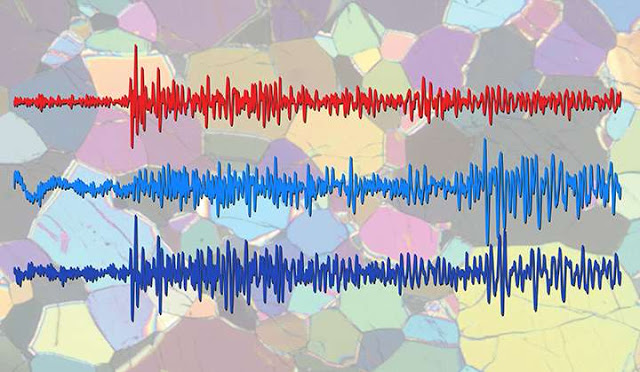
Seismogram

Seismologists studying the recent dramatic upswing in earthquakes triggered by human activity want to clear up a few common misconceptions about the trend.
There is increasing evidence that these earthquakes are caused by injecting fluids from oil and gas operations deep into the earth. These human-caused earthquakes are sometimes called “induced earthquakes.”

A Seismological Research Letters focus section to be published online June 10 addresses some common misconceptions about induced seismicity—the biggest of which is that it is primarily related to oil and gas recovery by hydraulic fracturing or “fracking.” The focus section will appear in the July/August print issue.

Guest editor Justin Rubinstein, a scientist with the U.S. Geological Survey, explains that most of the induced earthquakes felt in the United States are from the disposal of large amounts of wastewater from oil and gas production. The majority of this wastewater is ancient ocean brine that was trapped in rock layers along with gas and oil deposits. Only a small percentage of induced seismicity comes from fracking processes that inject liquid into the ground to break up rock layers to free oil and gas for recovery.

Wastewater disposal from oil and gas operations has increased in the U.S. in the past decade, especially in states like Oklahoma where the amount of wastewater disposal doubled between 1999 and 2013.

“Wastewater disposal is expanding and waste fluids are being injected into new locations. There have been changes in production practices as well, so in some areas there is much more wastewater that needs to be disposed,” Rubinstein noted.

Not all fluid injection causes earthquakes that can be detected or felt, Rubinstein added. Only a few dozen of the tens of thousands of wastewater disposal, enhanced oil recovery and hydraulic fracture wells in the U.S. have been linked to induced earthquakes that can be felt.

The central United States has experienced a surge in seismicity in the past six years, rising from an average of 24 earthquakes magnitude 3.0 or larger per year between 1973 and 2008 to an average of 193 earthquakes of this size every year between 2009 and 2014, with 688 occurring in 2014 alone.

Researchers are also tracking induced earthquakes in Canada, and the current batch of studies suggests that fracking might be more significant than wastewater disposal for causing earthquakes in that country, according to focus section co-editor David Eaton of the University of Calgary.

“There appear to be interregional differences between the U.S. and Canada,” he noted, “but it’s too early to say yet whether those reflect operational differences in the geological site conditions, or if it simply reflects the focus of studies that have been completed to date.”

As research continues in both countries, experts are recommending a more proactive approach to the risks of induced seismicity. A focus section article by Randi Jean Walters and colleagues at Stanford University outlines a possible workflow to reduce pre and post-injection risks at oil and gas sites. The workflow would incorporate seismic monitoring, a thorough understanding of a region’s past and present geology and detailed information on the industrial methods used in an oil and gas operation. Perhaps most important, they write, an ongoing risk assessment would take into account what sorts of resources—from buildings to natural settings—would be affected by seismic activity, and what kinds of seismic activity the surrounding population is willing to tolerate.

Another focus section paper by James Dieterich and colleagues at the University of California, Riverside explores the mechanics of induced seismicity. Their study uses an earthquake simulation program called RSQSim to explore how simple faults with various levels of pre-existing stress respond to fluid injection. Their model is able to reproduce many of the observed characteristics of induced seismicity and relate them to physical quantities such as injection duration and injected volumes. If the simulator can model more complex situations in future trials, it may offer guidance on managing the seismic risks at injection sites and estimating the probabilities of inducing earthquakes.

Other articles in the issue investigate characteristics of induced earthquakes that have been proposed to be different in natural and induced earthquakes, including their ground shaking and faulting styles.

Note : The above story is based on materials provided by Seismological Society of America.

New dinosaur discovered in Wales

Credit: Bob Nicholls/National Museum of Wales

A new dinosaur cousin of Tyrannosaurus rex has been found in Wales, the first meat-eating dinosaur ever found in the country.
The fossilised skeleton of a theropod dinosaur, including razor sharp teeth, and claws, was discovered on a beach near Penarth in the Vale of Glamorgan. It was analysed by experts from The University of Manchester, University of Portsmouth and the National Museum Wales. This new dinosaur was a distant cousin of Tyrannosaurus rex and lived at the very earliest part of the Jurassic Period, 201 million years ago, possibly making it the oldest Jurassic dinosaur in the world.

The discovery was made by two brothers, Nick and Rob Hanigan while fossil hunting along the Lavernock beach in the Vale of Glamorgan after storms in spring 2014. After a cliff fall on the beach, they spotted several loose blocks containing part of the skeleton of a small dinosaur.

The fossilised bones were found spread across five slabs of rock and although some were preserved together in the correct position, others were scattered and separated by the actions of scavenging fish and sea-urchins. The specimen was preserved with the fossilised remains of these sea-urchins.

Dr John Nudds, senior lecturer in palaeontology at The University of Manchester said: “It is very rare to find this type of dinosaur at all and never before in Wales. In fact it is only the second dinosaur ever found in Wales. Theropods were vicious hunters who would prey on others. They were evolving rapidly at the start of the Jurassic period, but are only known from a few specimens worldwide. So this is a very exciting finding that could tell us a lot about how these species were evolving.”

It is thought that the fossil was from a juvenile animal as some of its bones are not yet fully formed. Research is still underway, with a scientific paper in progress which will reveal the name of this new species. The fossil will be donated to the National Museum Wales.

Dr David Martill, reader in palaeobiology at University of Portsmouth said: “The new dinosaur was brought to my attention last year and I went up to Lancashire to see the specimen. There, laid out on the table, was the most beautiful little theropod dinosaur ever found in Europe. Although the bones were scattered on a few slabs of limestone, they were in excellent condition, and much of the skull appeared to be there. The teeth were small, but needle sharp, slightly curved and with the most wonderful steak-knife serrations on their edges.

“I then went to visit the discovery site, which showed that the dinosaur came from strata deposited exactly at the end of the Triassic and the start of the Jurassic. I now had the job to determine if this was a Triassic or Jurassic dinosaur. That took a lot of effort, but we are now convinced it is the first ever Jurassic dinosaur.”

The Welsh dinosaur was a small, slim, agile dinosaur, probably only about 50cm tall, which had a long tail to help it balance. It lived at the time when south Wales was a coastal region, offering a warm climate. It had lots of small, blade-like, sharp, serrated teeth suggesting that it would have eaten insects, small mammals and other reptiles.

The dinosaur also probably had a fuzzy coating of simple proto-feathers, as did many theropod dinosaurs, and this would have been used for insulation and possibly display purposes. It may also have had simple quill-like structures for defence.

The rocks that contain the dinosaur fossil date back to a time immediately after the start of the Jurassic period, 201.3 million years ago. At that time, the dinosaurs were just starting to diversify and the Welsh specimen is almost certainly the earliest Jurassic dinosaur in the world. It is related to Coelophysis that lived approximately 203 to 196 million years ago in what is now the southwestern part of the United States of America. It also could be said to be a distant cousin of the much later Tyrannosaurus rex.

Nick Hanigan said: “This is a once in a lifetime find – preparing the skull and to seeing the teeth of a theropod for the first time in 200 million years was absolutely fantastic – you just can’t beat that sort of thing!”

The hip and vertebrae of the Welsh theropod


Just one of the five blocks of stone containing the skeleton fossil
‘Hand’ and claw bones uncovered by the Hanigan brothers
One of the Welsh theropod’s fossilised claws

Note : The above story is based on materials provided by University of Manchester.

Giant deer were still present in Southern Germany after Ice Age

Skeleton of a giant deer. Credit: Cosimo Posth

Tübingen scientists reconstruct the DNA of the Megaloceros from findings in caves in the Swabian Alb and discover possible causes for its later extinction.

The mass extinction at the end of the last Ice Age led to the disappearance of many animal species including the mammoth, the woolly rhinoceros, cave bears and the Megaloceros, also known as the giant deer or Irish elk, which could weigh as much as 1.5 tons. Scientists still do not fully know the precise reasons for the extinction of many species; it probably took place due to a combination of climate change and hunting by humans. However, some species of animals survived the end of the last glacial period somewhat longer than others.

They include the giant deer, which populated huge areas of Eurasia during the Ice Age. These animals were still present in parts of north-western Europe after the Ice Age, before they finally disappeared about 7,000 years ago. Scientists at the University of Tübingen have now managed to isolate mitochondrial genomes (mtDNA) from deer bones found in the Swabian Alb that are 12,000 years old which sheds light on how prevalent these animals were in southern Germany.

The deer bones that have been examined were retrieved during excavations in the Hohle Fels and Hohlenstein-Stadel caves in the Swabian Alb. It was generally accepted that the giant deer had become extinct in this region and in the whole of Central Europe after the climax of the last Ice Age 20,000 years ago. Scientists initially believed that the findings were elk bones, as elks were widespread in southern Germany at that time. The reconstruction of the mtDNA by Johannes Krause and his team from the Institute for Archaeological Sciences in Tuebingen and the subsequent genetic analysis of the DNA have demonstrated, however, that the findings were bones from Megaloceros giganteus, the giant deer. “It’s not easy to distinguish between an elk and a giant deer using the morphology of small bone fragments. There could be many more bones, which we previously attributed to the elk, but which really come from giant deer,” says Johannes Krause.

Studies in the past did not provide any clear results about which of today’s deer are the closest relatives of the giant deer either. The Tübingen scientists compiled a dataset from the mtDNA of 44 modern deer species and the two giant deer individuals dating from the late Ice Age in order to reconstruct a family tree. It emerged that the fallow deer is the closest living relative of the giant deer. This species originated in the Middle East and was introduced to Europe for hunting purposes in the 17th century. “It was speculated on the basis of the physical size that the red deer was most closely related to the giant deer; but we can clearly reject this hypothesis with our study,” says Alexander Immel, a member of Krause’s team.

The scientists also examined stable isotopes of the collagen, a structural protein, which forms an essential part of the bones. They compared the carbon-13 and nitrogen-15 values in the giant deer bones from the Swabian Alb caves with those of red deer, other giant deer and reindeer, which were living at the beginning and the end of the last glacial period. “Prior to the last Ice Age, there was a clear distinction in the isotope values for all three species; after this period, there is a clear overlap — and this suggests that the habitat of deer species had shrunk or there was and overlap in the diets of the different deer species,” says Dorothée Drucker from the Biogeology department, who examined the collagen.

The scientists believe that giant deers had to share their habitat and their food with other species of deer after the last Ice Age. In addition the antlers of the giant deer, which measured up to 3.40 meters across, were little suited to life in Europe, which was increasingly becoming forested. The competition with other species and additional hunting by humans likely affected the giant deer and finally led to the extinction of these imposing animals.

Reference:
Alexander Immel, Dorothée G. Drucker, Marion Bonazzi, Tina K. Jahnke, Susanne C. Münzel, Verena J. Schuenemann, Alexander Herbig, Claus-Joachim Kind, Johannes Krause. Mitochondrial Genomes of Giant Deers Suggest their Late Survival in Central Europe. Scientific Reports, 2015; 5: 10853 DOI: 10.1038/srep10853

Note: The above story is based on materials provided by Universitaet Tübingen.

Making organic molecules in hydrothermal vents in the absence of life

Vent fluid samples were collected using titanium isobaric gas-tight (IGT) samplers deployed by the remotely operated vehicle Jason aboard the R/V Atlantis in January 2012. The IGTs, unique instruments developed by Jeff Seewald and a team of WHOI engineers, are designed to maintain the sample fluid at the high pressure at which it was drawn. Credit: Chris German, WHOI/NASA, NSF/ROV Jason/Woods Hole Oceanographic Institution

In 2009, scientists from Woods Hole Oceanographic Institution embarked on a NASA-funded mission to the Mid-Cayman Rise in the Caribbean, in search of a type of deep-sea hot-spring or hydrothermal vent that they believed held clues to the search for life on other planets.

They were looking for a site with a venting process that produces a lot of hydrogen because of the potential it holds for the chemical, or abiotic, creation of organic molecules like methane — possible precursors to the prebiotic compounds from which life on Earth emerged.

For more than a decade, the scientific community has postulated that in such an environment, methane and other organic compounds could be spontaneously produced by chemical reactions between hydrogen from the vent fluid and carbon dioxide (CO2). The theory made perfect sense, but showing that it happened in nature was challenging.

Now we know why: an analysis of the vent fluid chemistry proves that for some organic compounds, it doesn’t happen that way.

New research by geochemists at Woods Hole Oceanographic Institution, published June 8 in the Proceedings of the National Academy of Sciences, is the first to show that methane formation does not occur during the relatively quick fluid circulation process, despite extraordinarily high hydrogen contents in the waters. While the methane in the Von Damm vent system they studied was produced through chemical reactions (abiotically), it was produced on geologic time scales deep beneath the seafloor and independent of the venting process. Their research further reveals that another organic abiotic compound is formed during the vent circulation process at adjacent lower temperature, higher pH vents, but reaction rates are too slow to completely reduce the carbon all the way to methane.

“We’ve really improved our understanding of the origin of abiotic hydrocarbons in all ridge-crest hydrothermal systems by identifying specifically where carbon is being transformed within the vent fluid circulation pathway,” said Jill McDermott, lead author of the study and a recent graduate of the MIT/WHOI Joint Program in Oceanography. “We also have a much better sense of how quickly these reactions are occurring in natural systems — some take thousands of years, while others only take hours to days.”

Methane and other organic compounds in natural waters can originate from three types of sources: living organisms, decomposition of living or dead biomass, and ‘abiotic’ formation via purely chemical processes with no participation from living organisms.

Finding out how methane and other organic species are formed in deep-sea hydrothermal systems is compelling because these compounds support modern day life, providing energy for microbial communities in the deep biosphere, and because of the potential role of abiotically-formed organic compounds in the origin of life.

The study, whose authors also include WHOI geochemists Jeffrey Seewald, Christopher German, and Sean Sylva, indicates that methane at the Von Damm vent field was created by a reaction between CO2 and water trapped for thousands of years within cooling volcanic rocks deep within Earth’s crust. Many vent sites are tectonically active, and when tectonic shifts occur, the rocks beneath the sea floor can crack, allowing seawater to penetrate and leach methane from within the rocks. Eventually that methane is carried up to the seafloor by the circulating vent water. While this concept had previously been theorized, this paper is the first to demonstrate its importance in nature.

How the researchers determined this was a neat trick, involving balancing the vent site’s CO2 budget by measuring the amount of CO2 in seawater in the vent fluid; analyzing the isotopic makeup of the CO2; and radiocarbon dating the CO2. The results of the analysis showed there has been no CO2 added, and no CO2 removed, and therefore it could not have been used to form methane.

An examination of the methane showed it was “radiocarbon dead.” That meant it was older than 50,000 years and carried no modern signature, indicating the methane came from ancient geologic sources.

“We were able to use enough different but complementary lines of evidence to show that the methane formation here is a purely chemical process, and that it happens in the absence of life,” said McDermott.

But why wasn’t the CO2 at this site reacting with the hydrogen to create methane? That question led to an equally fascinating discovery: a reaction between CO2 and hydrogen was occurring, but it wasn’t proceeding fast enough or progressing far enough to create methane.

Instead CO2 and hydrogen combined to create an “intermediate” compound called formate — an important “pre-biotic” organic compound.

The team discovered the formate when analyzing the vent fluids at cooler off-shoot vent sites at the Von Damm site and found it had less CO2 than it should have. That meant the CO2 must have been reacting to form something else. They determined the formate concentration in those fluids, and, said McDermott, “it turns out the amount of formate species that was formed in each one of these fluids, perfectly matches the amount of CO2 that was lost. It’s so rare that you can actually close the budget, and figure out where all the carbon has gone.” The amount of formate present also matched the amount predicted by thermodynamic models.

“This is an excellent example where hypotheses developed over the years from laboratory experiments and theoretical models could be tested and verified in nature,” said co-author Seewald.

Intermediate species like formate have a lot of energy available. They’re also a good energy source for microbes.

In fact, formate may be used by modern day microbes to generate methane in the subsurface biosphere. Formate may also have served as the first step toward forming reduced carbon compounds that were central to primitive biochemical pathways on early Earth.

“A particularly exciting aspect of this study is that our newest discoveries here on Earth provide a compelling ‘real-world’ example of just how pre-biotic chemistry could also arise elsewhere,” said co-author German.

Reference:
Jill M. McDermott, Jeffrey S. Seewald, Christopher R. German, and Sean P. Sylva. Pathways for abiotic organic synthesis at submarine hydrothermal fields. PNAS, June 8, 2015 DOI: 10.1073/pnas.1506295112

Note: The above story is based on materials provided by Woods Hole Oceanographic Institution.

Atmospheric signs of volcanic activity could aid search for life

An eruption of the Calbuco Volcano in southern Chile. A team of astronomers led by the UW’s Amit Misra used data from volcanic eruptions on Earth to predict what an Earth-like exoplanet might look like during such eruptions. Credit: Wikimedia commons

Planets with volcanic activity are considered better candidates for life than worlds without such heated internal goings-on.
Now, graduate students at the University of Washington have found a way to detect volcanic activity in the atmospheres of exoplanets, or those outside our solar system, when they transit, or pass in front of their host stars.

Their findings, published in the June issue of the journal Astrobiology, could aid the process of choosing worlds to study for possible life and even one day help determine not only that a world is habitable, but in fact inhabited.

Volcanism is a key element in planetary habitability. That’s because volcanic outgassing helps a planet maintain moderate, life-inviting temperatures, regulating the atmosphere by cycling gases such as carbon dioxide between the atmosphere and the mantle.

Lead author Amit Misra, who has since graduated with a doctorate, said the project started in a UW astrobiology graduate seminar when a professor asked how one might detect plate tectonics—the grinding together and apart of huge slabs of a planet’s surface—on faraway worlds.

Plate tectonics is considered an aid to the origin of life because it allows for the recycling of materials from the atmosphere to the planetary interior. Some scientists have even proposed that life on Earth began at sites created by tectonic plates.

The students studied various models trying to predict whether an exoplanet might have plate tectonics, but found little in scientific literature on how to directly detect tectonic plates. So they started brainstorming.

“I came up with the idea of looking at explosive volcanic eruptions as a proxy, or stand-in, for plate tectonics,” Misra said. “I had done some work modeling aerosols produced by volcanic eruptions for other projects, so I started looking into how we might detect an eruption and what it would tell us.”

So the team used data from volcanic eruptions on Earth to predict what an Earth-like exoplanet might look like during such eruptions. The thinking, Misra said, was that explosive volcanic eruptions usually happen at the edges of tectonic plates, making them a good proxy indeed.

Gases released from smaller, nonexplosive volcanic eruptions tend to return quickly to the planet’s surface. Explosive eruptions, however, can send volcanic gases up into the stratosphere, where they “greatly affect the spectrum of the planet,” Misra said. The optical signature of the gases might be detectable by powerful telescopes such as the James Webb Space Telescope, scheduled for launch in 2018.

Co-authors are Joshua Krissansen-Totton, Matthew Koehler and Steven Sholes, all graduate students in the UW’s Department of Earth and Space Sciences and affiliated with the UW astrobiology program.

But while the connection between volcanic eruptions and tectonic plates is true on Earth, Misra said the team cannot say with certainty that the same is true throughout the cosmos. Still, he said, “An explosive eruption can probably be tied to volcanism if false positives such as dust storms can be ruled out.”

“These long-lasting, high-up aerosols can have a huge signal for an exoplanet, which is the key result for the paper,” Misra said. “What this means is that if we can detect a volcanic eruption on a planet, and if it meets other criteria like being in the habitable zone, that planet should move up our list of potential targets to search for life.”

The work may also someday help astronomers infer that a planet not only might have life, but actually does. Misra explained that while oxygen is thought an indicator of life, it’s also possible for oxygen to be produced abiotically, or by something other than biology.

Volcanism, Misra said, may help distinguish between oxygen that is produced by life or other planetary processes by helping astronomers better understand the planet’s environment.

“Volcanic gases often react with and destroy oxygen, and a detection of both oxygen and volcanism suggests that there is a source of oxygen in the planetary environment, which could be life,” Misra said.

The research was done through the Virtual Planetary Laboratory, a UW-based interdisciplinary research group, and funded through the NASA Astrobiology Institute.

Reference:
Misra Amit, Krissansen-Totton Joshua, Koehler Matthew C., and Sholes Steven. Transient Sulfate Aerosols as a Signature of Exoplanet Volcanism . DOI:10.1089/ast.2014.1204.

Note : The above story is based on materials provided by University of Washington.

Building decades of sandbar knowledge one grain of data at a time

A sandbar image produced from bathymetric data

Beneath long-term work to rebuild sandbars in the Grand Canyon lies a legacy of river-running data collection that tells the story of Northern Arizona University researchers, highlighting their persistence and innovations.
A new USGS article in the online journal Eos touts the promising outcomes of controlled floods on the Colorado River, conclusions that rely in part on more than 25 years of measurements collected under difficult conditions and with changing technology.

“It’s a tough place to do research,” said Joe Hazel, research associate at NAU. “You would be hard pressed to find anywhere else in the world where a continuous monitoring record of environmental change was made with direct measurements in a remote river setting.”

At stake is a river ecosystem that has been as challenging to understand as to manage over decades of manipulation since the completion of Glen Canyon Dam. The issue of sandbar deposition and erosion, and the ability to determine just how much sand is in the water and where it comes from, has evolved along with attitudes about how the river should be managed.

“Trying to figure out how much sand is in the system and when to do floods has been the driving force behind our work,” Hazel said. “We tell the managers when the sandbars have eroded to a certain condition or level.”

Hazel and research associate Matt Kaplinski have embarked on nearly 100 river trips since 1989, when they became involved in NAU research that had been ongoing for a decade under pioneering researcher Stan Beus, now NAU regents’ professor emeritus of geology. Beus was instrumental in NAU’s securing of a grant from the Bureau of Reclamation to operate a sandbar monitoring program. Upon Beus’ retirement, Rod Parnell, NAU professor of earth science and environmental sustainability, assumed the title of principal investigator.

“That first year we ran 20 river trips,” Hazel said. The federal government’s continued interest in river monitoring—especially during high-flow experiments in 1996 and 2008—led NAU to produce a trove of information, some of it through methods that have not changed much over the decades, but that has also inspired cutting-edge innovations.

A painstaking process of producing handwritten coordinates from theodolites, measurement devices that have long been the mainstay of surveying, eventually was made easier through digital data collectors. But even then, in what Hazel called “the old days,” river levels would need to be lowered in order to expose sandbars for measurement.

Because 85 percent or more of the sediment is under water, Kaplinski led the development of a multibeam bathymetric system that used sonar to measure submerged sandbars.

“That’s really sophisticated and expensive equipment, and had never before been retrofitted to be used in a canyon setting,” Hazel said, pointing out that the technology is similar to what is being used in the search for missing Malaysian Airlines Flight 370.

Still, collecting the data entails mastering difficult conditions. Using rafts powered by outboard motors, researchers guide equipment worth hundreds of thousands of dollars through rapids, trying not to capsize or slam into a rock.

One payoff of all that work is an approach that appears to endorse continued high-flow experiments as a way to build sandbars over time. Their presence contributes to a downstream ecosystem, which lies within the Glen Canyon Recreation Area and Grand Canyon National Park, considered a World Heritage Site.

“It’s cool that Glen Canyon Dam is now being partially managed to benefit downstream resources instead of just generating hydro power and for water storage,” Hazel said.

And now, after a long and “painful migration process,” the decades of NAU data are available online for anyone to see. What had been relegated to notebooks and outdated floppy disks stored in an old metal cabinet, and generations of incompatible software, is now part of an interactive online database. Researchers around the world can benefit from the findings.

“This is leaving our legacy,” Hazel said. “Now all this data is being served to the public.”

Note : The above story is based on materials provided by Northern Arizona University.

Weathering and river discharge surprisingly constant during Ice Age cycles

A satellite image of Alaska shows alluvial fans created by melting glaciers draining into the Copper River. Credit: NASA

Over geologic time, the work of rain and other processes that chemically dissolve rocks into constituent molecules that wash out to sea can diminish mountains and reshape continents.
Scientists are interested in the rates of these chemical weathering processes because they have big implications for the planet’s carbon cycle, which shuttles carbon dioxide between land, sea, and air and influences global temperatures.

A new study, published online on June 8 in the journal Nature Geoscience, by a team of scientists from Stanford and Germany’s GFZ Research Center for Geosciences reveals that, contrary to expectations, weathering rates over the past 2 million years do not appear to have varied significantly between glacial and interglacial periods.

Scientists expect weathering rates to slow down during Earth’s ice ages because temperatures were lower, and as a consequence much of the water that might fall as rain is trapped as ice in glaciers blanketing Europe and North America.

“If you look at how these attributes of climate control weathering rates today, you would expect that weathering and sedimentation rates can vary widely between glacial to interglacial times,” said study author Friedhelm von Blanckenburg, a geochemist at the German Research Centre for Geosciences GFZ Potsdam.

For example, North America’s Sierra Nevada mountain range is pockmarked by U-shaped valleys that were carved out by ice sheets during their relentless march southward in glacial times. When temperatures warmed, the ice sheets retreated, exposing pulverized rocks in the crater that could be easily weathered and transported out to sea by rivers and streams. Even in regions not covered by glaciers, scientists know that rainfall changed between glacial and interglacial times. Studies of now-dry lakebeds that once dotted the western U.S. and cone-shaped sedimentation deposits, called alluvial fans, from ancient rivers suggest water flow varied widely as temperature and rainfall patterns waxed and waned between ice ages and the warmer periods that followed.

But all of these lines of evidence testified only to local variations of weathering and sedimentation rates. “If you want to know the global weathering rate,” von Blanckenburg said, “you have to go to the oceans, where local variations rates are averaged out.”

von Blanckenburg and his colleague, Julien Bouchez, a research scientist at the Global Institue of Physics in Paris, turned to a geochemical technique that compares the concentration of two forms, or isotopes, of the element beryllium (Be). 9Be is found naturally in silicate rocks on Earth; 10Be is a radioactive cosmogenic isotope produced by the collision of cosmic rays with nitrogen and oxygen molecules in the atmosphere.

“Because 10Be rains down onto Earth’s continents and oceans at more or less a constant rate, it’s like a clock that can be used to time processes,” von Blanckenburg said. “9Be, on the other hand, can be used to calculate how much dissolved rock has washed into the oceans from rivers.”

By determining the ratio of 10Be to 9Be in marine sediment layers, von Blanckenburg was able to reconstruct the weathering flux for nearly the entire Quaternary Period, a timespan encompassing 2.6 million years. To his surprise, he found that there was little change between glacial and interglacial periods.

To understand why, von Blanckenburg teamed up with Stanford researchers Kate Maher, an assistant professor of geological sciences, and graduate student Daniel Ibarra, who specialize in using computer models to understand how the flow of water controls weathering. Maher and Ibarra compiled data about river-to-ocean flow from an ensemble of climate models and calculated the average discharge from rivers at different latitudes during glacial and interglacial times.

The Stanford scientists reached the same conclusion that von Blanckenburg and Bouchez did using their beryllium ratio observations. “Our results suggested that globally the aggregate change in discharge from all the rivers was effectively zero between the glacial and interglacial times. That was surprising,” Maher said.

The models offered a likely explanation for this: they showed that while the change in water discharge for rivers at higher latitudes in the northern hemisphere could vary wildly between glacial and interglacial times, the flux for rivers in the tropics-which remained temperate even during ice ages-did not change by more than a few percent.

“The tropics account for more than half of the river runoff globally, so they strongly moderate chemical weathering fluxes during global shifts in climate,” Ibarra said. “Because weathering helps balance the global carbon cycle, that means the tropical weathering is a primary driver of atmospheric CO2 levels over very long time scales.”

Reference:
Stable runoff and weathering fluxes into the oceans over Quaternary climate cycles, Nature Geoscience, DOI: 10.1038/ngeo2452

Note : The above story is based on materials provided by Stanford University.

How Does Light Affect How My Diamond Looks?

From left: These diamonds display high, moderate and low brightness under fluorescent light. Credit: Eric Welch/GIA

If you’ve ever wondered why your diamond looks different in sunlight versus candlelight or daylight versus office lights, it’s because the cut of your diamond responds differently depending on the light and the environment you are in. How – and where – you look at your diamond can greatly change its appearance.
Al Gilbertson, a GIA researcher, says if you think of a diamond like “a series of mirrors reflecting its environment,” it can help you understand how light and location can change the way your diamond appears. When you look at your diamond, you are also seeing a reflection of the surrounding environment, including yourself.

“Often times, the dark parts of the pattern you see in a diamond are a reflection of your face, or the camera – if you’re looking at a photograph,” Gilbertson says. “You can test this yourself. Hold the diamond at arm’s length and look at how bright it is and how the pattern of dark and light appears. Now, gradually bring it closer to your eye. By the time it gets very close, the area of dark pattern in the diamond has grown and is much more prominent.”

“This all means that in every different location you look at your diamond, this ‘series of mirrors’ is reflecting not only the environment, but also you. How close you hold it, and the environment you are in, affects the pattern you see.”

When it comes to the 4Cs of GIA’s Diamond Grading System – color, clarity, cut and carat weight – cut is often the least understood because there are so many components considered in the cut grade. The first three – brightness, fire and scintillation – describe the diamond’s appearance. The remaining four components – weight ratio, durability, polish and symmetry – describe the design and craftsmanship.

Each cut grade – excellent, very good, good, fair and poor – represents a range of proportion sets and diamond appearances. There is no single set that defines a well-cut round brilliant diamond – many different proportions can produce attractive diamonds, which should be bright, fiery, sparkling and have a pleasing overall appearance, especially when the pattern of bright and dark areas is viewed face up, Gilbertson says.

GIA’s Diamond Cut Grading System for standard round brilliant diamonds in the D-to-Z color scale and the Flawless-to-I3 clarity range provides an objective assessment of a diamond’s overall cut quality.

GIA studied diamond cut for decades and analyzed tens of thousands of proportion sets before the system was introduced in 2005. It had to be scientific, but also practical and applicable to the jewelry industry and public. There were more than 70,000 observations of 2,300 diamonds in studies conducted across all sectors of the jewelry industry – diamond manufacturers, dealers, retailers and potential customers.

Diamonds graded in GIA’s laboratories are examined in standardized and calibrated environments – scales for carat weight, optical measuring equipment for all of the diamond’s proportions, light for color grading and 10X loupes for clarity, polish and symmetry help ensure consistency and objective grading.

Most people won’t ever see the diamond in a laboratory, so what type of lighting is best when purchasing a diamond? Gilbertson encourages you to look at the diamond in the type of lighting you will most typically wear it.

GIA’s Cut Grade System offers a description based on research and what most people prefer. But Gilbertson likes to remind people that diamonds are more than that.

“Diamonds and jewelry are very personal,” he says. “People buy jewelry for themselves or receive it as a gift for a specific reason, often to celebrate a special occasion. Choose what you like and what looks best in your opinion. Then, enjoy the adventure of learning all the different appearances your diamond can have.”

Note : The above story is based on materials provided by Gemological Institute of America Inc. The original article was written by Kristin A. Aldridge .

Researcher finds dinosaur teeth more intricate than reptiles mammals

(A) Triceratops skeleton. (B) Transverse view of a dentary (lower jaw) tooth family in this dinosaur whose functional teeth wore to vertical slicing faces. (C) Naturally worn slicing teeth in the lower jaw showing the wear-induced bowing out of the central regions of the occlusal faces of the teeth (arrow) to form fuller-like implements. Credit: Bill Lax/Florida State University

When it comes to the three-horned dinosaur called the Triceratops, science is showing the ancient creatures might have been a little more complex than we thought.

In fact, their teeth were far more intricate than any reptile or mammal living today.

Biological Science Professor Gregory Erickson and a multiuniversity team composed of engineers and paleontologists content that the Triceratops developed teeth that could finely slice through dense material giving them a richer and more varied diet than modern-day reptiles.

Erickson and the team outlined the findings of their study in the journal Science Advances.

Today, reptilian teeth are constructed in such a way that they are used mostly for seizing food — whether plant or animal — and then crushing it. The teeth do not occlude — or come together — like those of mammals. In essence, they can’t chew. The teeth of most herbivorous mammals self wear with use to create complex file surfaces for mincing plants.

“It’s just been assumed that dinosaurs didn’t do things like mammals, but in some ways, they’re actually more complex,” Erickson said.

Erickson, who has been studying the evolution of dinosaurs for years, became interested in looking at dinosaurs’ teeth several years ago and suspected that they had some unique properties. But, the technology to really discover what they were capable of did not exist.

Fast-forward a few years and engineer Brandon Krick entered the picture.

Krick is an assistant professor of mechanical engineering at Lehigh University and specializes in a relatively new area of materials science called tribology. Tribology is the science of how surfaces of materials interact while in motion.

The two of them, accompanied by scientists at University of Florida, University of Pennsylvania and the American Museum of Natural History, set out to find out what exactly these teeth were made of and how they worked.

Erickson had access to the teeth of Triceratops from museum specimens collected around North America. So, he began by cutting up a bunch of teeth to get a look at the interior.

He discovered that Triceratopsteeth were made of five layers of tissue. In contrast, herbivorous horse and bison teeth, once considered the most complex ever to evolve, have four layers of tissue. Crocodiles and other reptiles have just two.

“Each of those tissues does something,” Erickson said. “They’re not just there for looks.”

While Erickson examined the tissue, he also sent samples to Krick to determine what each did and how they worked in concert to allow these animals to slice plants. Krick was able to mimic how plants moved across the teeth by scratching the teeth and measuring the tissue wear rates.

What Krick and his team of engineers, including Lehigh graduate student Mike Sidebottom, found was that the material properties of the teeth were remarkably preserved in 66 million year old teeth.

“If you took these dinosaurs’ teeth and put them in a cow for example, they would work,” Erickson said.

A sophisticated three-dimensional model was developed to show how each tissue wore with use in a strategic manner to create a complex surface with a fuller (a recessed area in the middle, much like those seen in fighting knives and swords) on each tooth. This served to reduce friction during biting and promote efficient feeding.

The 3D wear model developed for this project is inspiring new engineering techniques that can be used for industrial and commercial applications.

“Paleontologists challenged us with an interesting engineering problem, and now, we have a wear model that can be used to design material systems with optimized wear properties and surface features for many applications,” Krick said.

The question that remains is how prevalent complex dental structure was among dinosaurs and other reptiles. Krick and Erickson intend to explore this further by examining other reptilian dental records and structures.

This work was funded by the National Science Foundation.

Video

Reference:
Gregory M. Erickson, Mark A. Sidebottom, David I. Kay, Kevin T. Turner, Nathan Ip, Mark A. Norell, W. Gregory Sawyer, Brandon A. Krick. Wear biomechanics in the slicing dentition of the giant horned dinosaur Triceratops. Science Advances, 05 Jun 2015 DOI: 10.1126/sciadv.1500055

Note: The above story is based on materials provided by Florida State University.

Are rogue waves predictable?

Snapshot of a rogue event in multifilament dynamics recorded in a xenon cell at 60 times the critical power for filamentation. The optical fluence is plotted as a function of position on the optical detector. Credit: MBI

A comparative analysis of rogue waves in different physical systems comes to the surprising conclusion that these rare events are not completely unpredictable.
Metereological events often prove to be rather unpredictable, i.e., the “storm of the century” may well prove to be surpassed by yet another storm just in the subsequent year. From an insurance point of view, resulting damage often proves to be be well beyond any statistical prediction. Such phenomena generally underlie extreme value statistics, featuring a prevalent appearance of extreme events and contrasting long-term observations of rather normal events in the respective system. Rogue waves, also known as freak waves, are yet another example for such dynamics. While being extremely rare events, their appearance may cause considerable damage to the hull of ships.

The precise origin of rogue waves is still disputed. Moreover, it is unclear whether rogue waves can be predicted. Maybe, it is possible to issue a last-instant warning from observations of recorded wave heights? Do characteristic patterns exist that herald the impact of such a rogue wave? Unfortunately, there are only a few recordings of such ocean freak waves. Consequently, it may well take many more decades to answer those questions based on oceanic observations only. Nevertheless equivalent physical systems exist, which allow an exploration of this aspect at a substantially more solid statistical basis.

This is the point where the work of Simon Birkholz and coworkers sets in. Based on a statistical analysis of data in three different physical systems, the group conducted a detailed analysis on the predictability and determinism in the respective system. This analysis included original data of the famous New Year’s Wave, which hit the Draupner platform on January 1, 1995 as well as results of the Jalali group at the University of California at Los Angeles (UCLA), and finally data in a multifilament scenario measured at the Max-Born-Institut in Berlin. Â In the multifilament system, one can directly observe the rogue waves as short light flashes in the intensity profile. The wave height of the ocean system corresponds to light intensity in the optical systems.

The surprising result of this comparative analysis is that rogue events appear to be very much predictable in certain system, yet are completely stochastic and therefore unpredictable in others. In other words, rogue wave statistics does not enable any conclusion on predictability and determinism in the system. It is simply not true that rogue events per se appear out of nowhere and disappear without a trace. Ocean waves play a particular role here. Other than previously assumed, they are not completely stochastic. Therefore it is not true that they “appear out of nowhere and leave without a trace,” which has often been claimed to be a characteristic feature of ocean rogue waves. Nevertheless, practical predictions are still far away and may only enable a last-second warning of these “monsters of the deep.”

Reference:
Simon Birkholz, Carsten Brée, Ayhan Demircan, and Günter Steinmeyer. Predictability of Rogue Events. Physical Review Letters, June 2015 DOI: 10.1103/PhysRevLett.114.213901

Note: The above story is based on materials provided by Forschungsverbund Berlin e.V. (FVB).

New species of horned dinosaur with ‘bizarre’ features revealed

An artistic life reconstruction of the new horned dinosaur Regaliceratops peterhewsi in the palaeoenvironment of the Late Cretaceous of Alberta, Canada. Credit: Art by Julius T. Csotonyi. Courtesy of Royal Tyrrell Museum, Drumheller, Alberta.

About 10 years ago, Peter Hews stumbled across some bones sticking out of a cliff along the Oldman River in southeastern Alberta, Canada. Now, scientists describe in the Cell Press journal Current Biology on June 4 that those bones belonged to a nearly intact skull of a very unusual horned dinosaur–a close relative of the familiar Triceratops that had been unknown to science until now.
“The specimen comes from a geographic region of Alberta where we have not found horned dinosaurs before, so from the onset we knew it was important,” says Dr. Caleb Brown of the Royal Tyrrell Museum of Palaeontology in Alberta, Canada. “However, it was not until the specimen was being slowly prepared from the rocks in the laboratory that the full anatomy was uncovered, and the bizarre suite of characters revealed. Once it was prepared it was obviously a new species, and an unexpected one at that. Many horned-dinosaur researchers who visited the museum did a double take when they first saw it in the laboratory.”

Brown likes to say, only partly in jest, that the uniqueness of this specimen was so obvious that you could tell it was a new species from 100 meters away.

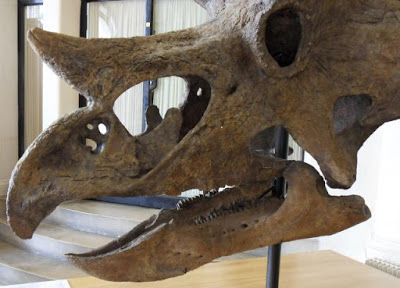
What made this new horned dinosaur distinctive was the size and shape of its facial horns and the shield-like frill at the back of the skull. This new species is similar in many respects to Triceratops, except that its nose horn is taller and the two horns over its eyes are “almost comically small.” But the new dinosaur’s most distinctive feature is that frill, including what Brown describes as a halo of large, pentagonal plates radiating outward, as well as a central spike. “The combined result looks like a crown,” he says.

Brown and study co-author Donald Henderson named the new dinosaur Regaliceratops peterhewsi, a reference to its crown-like frill and to the man who first found and reported it to the museum. Despite the formal name, the scientists say they’ve taken to calling this dinosaur by the nickname “Hellboy.”

While this new dinosaur is intriguing in its own right, Brown and Henderson say what’s most significant are the implications for the evolution of dinosaurs’ horned ornamentation. It’s long been known that horned dinosaurs fall into one of two groups: the Chasmosaurines, with a small horn over the nose, larger horns over the eyes, and a long frill, and the Centrosaurines, characterized by a large horn over the nose, small horns over the eyes, and a short frill.

“This new species is a Chasmosaurine, but it has ornamentation more similar to Centrosaurines,” Brown says. “It also comes from a time period following the extinction of the Centrosaurines.”

Taken together, he says, that makes this the first example of evolutionary convergence in horned dinosaurs, meaning that these two groups independently evolved similar features.

The researchers say they hope to uncover more Regaliceratops peterhewsi specimens. They’ll also be working on digital reconstructions of the skull, noting that, though intact, the fossil has been deformed after 70 million years in the Rocky Mountain foothills.

“This discovery also suggests that there are likely more horned dinosaurs out there that we just have not found yet, so we will also be looking for other new species,” Brown says.

Reference:
Current Biology, Brown et al.: “A New Horned Dinosaur Reveals Convergent Evolution in Cranial Ornamentation in Ceratopsidae” DOI: 10.1016/j.cub.2015.04.041

Note : The above story is based on materials provided by Cell Press.

Sudden draining of glacial lakes explained

Thousands of supraglacial lakes form each spring and summer on top of the Greenland Ice Sheet. When they drain, they send torrents of water to the base of the ice sheet, lubricating the interface between rock and ice. That allows the ice sheet to flow faster to the ocean and discharge ice into ocean, which causes sea levels to rise faster Credit: Photo by Laura Stevens, Woods Hole Oceanographic Institution

In 2008 scientists from Woods Hole Oceanographic Institution (WHOI) and the University of Washington documented for the first time how the icy bottoms of lakes atop the Greenland Ice Sheet can crack open suddenly–draining the lakes completely within hours and sending torrents of water to the base of the ice sheet thousands of feet below. Now they have found a surprising mechanism that triggers the cracks.
Scientists had theorized that the sheer weight of the water in these supraglacial lakes applied pressure that eventually cracked the ice, but they could not explain why some lake bottoms cracked while others did not.

“Our discovery will help us predict more accurately how supraglacial lakes will affect ice sheet flow and sea level rise as the region warms in the future,” said lead author Laura Stevens, a graduate student in the Massachusetts Institute of Technology-Woods Hole Oceanographic Institution (MIT/WHOI) Joint Program in Oceanography.

The research was published June 4 in the journal Nature.

To find out what triggers sudden lake drainages, a research team, including Stevens and colleagues from WHOI, the University of Washington, MIT, and the University of Tasmania, deployed a network of 16 GPS units around North Lake, a 1.5-mile-long supraglacial lake in southwest Greenland, where the scientists first documented large-scale cracks and lake drainages. They used these instruments to record movements of the ice before, during, and after three rapid lake drainages in the summers of 2011, 2012, and 2013.

Their study showed that in the 6 to 12 hours before the lake cracked and drained, the ice around the lake moved upward and slipped horizontally. The scientists say that meltwater had begun to drain through a nearby system of moulins (vertical conduits through the ice), which connected the surface to the base of the ice sheet 3,215 feet below. The accumulating water creates a bulge that floats the entire ice sheet, creating tension at the surface underneath the lake. The stress builds up until it is relieved by a sudden large crack in the ice below the lake.

“In some ways, ice behaves like Silly Putty–if you push up on it slowly, it will stretch; if you do it with enough force, it will crack,” said Stevens. “Ordinarily, pressure at the ice sheet surface is directed into the lake basin, compressing the ice together. But, essentially, if you push up on the ice sheet and create a dome instead of a bowl, you get tension that stretches the ice surface apart. You change the stress state of the surface ice from compressional to tensional, which promotes crack formation.”

Once the tension initiates the crack, the volume of water in the lake does play a critical role, surging into the opening, widening and extending it, and keeping it filled with water all the way to base of the thick ice sheet. These are called hydrofractures, and the scientists have documented how they can drain more than 11 billion gallons of water out of North Lake in about 90 minutes. At times, water flowed out of the lake bottom faster than the water goes over Niagara Falls, the scientists estimated.

“You need both conditions–tension to initiate the crack and the large volume of water to amplify it–for hydrofractures to form,” Stevens said. The key finding of this study is that without the former, even large supraglacial lakes will retain their water.

At the base of the ice sheet, the water that drains from the lake lubricates the interface between ice and rock, allowing the ice sheet to slide faster toward the coast. That in turn accelerates the outflow of ice from land to sea and causes sea levels to rise faster. So understanding the mechanisms that trigger the drainages will help scientists predict more precisely how supraglacial lakes will affect sea level rise as climate conditions shift in the future.

The GPS network also recorded the more sudden and momentous movements of the ice sheet surface at the time of the hydrofracture, showing that portions of the ice sheet bed beneath the lake can slip up to a foot and a half. That is equivalent to the movement caused by a magnitude-5.5 earthquake.

“It’s just a different type of solid crystals–ice instead of rock–breaking due to stress,” said Jeff McGuire, a co-author on the study and a seismologist at WHOI. The research team spanned scientific disciplines, including McGuire, a seismologist; Mark Behn, a geophysicist at WHOI who studies faults in Earth’s crust; glaciologists Sarah Das of WHOI, and Ian Joughin and David Shean of the University of Washington; Tom Herring, a GPS expert at MIT, and Matt King, who studies geodesy, Antarctic ice sheets, and sea level at the University of Tasmania.

Thousands of supraglacial lakes form each spring and summer on top of the Greenland Ice Sheet as sunlight returns to the region. The heat melts snow and ice into water that pools in depressions in the ice sheet to form lakes. As the region becomes warmer, more lakes will likely form, leading to a first-order prediction of more hydrofractures, more lubrication, more ice sheet slippage, and faster-rising sea levels.

However, discovering the new trigger mechanism changes the equation, because the trigger is less likely to occur at lakes at higher elevations on the ice sheet–even though water volumes in those lakes can be large. Stevens explained that the ice sheet further inland is thicker and moves more slowly. The ice deeper down flows viscously, dampening impacts on the surface topography. That results in a flatter surface where fewer lake basins and crevasses form. Fewer crevasses mean less water leakage to the base, which reduces bulging that increases surface stresses.

Reference:
Laura A. Stevens, Mark D. Behn, Jeffrey J. McGuire, Sarah B. Das, Ian Joughin, Thomas Herring, David E. Shean, Matt A. King. Greenland supraglacial lake drainages triggered by hydrologically induced basal slip. Nature, 2015; 522 (7554): 73 DOI: 10.1038/nature14480

Note: The above story is based on materials provided by Woods Hole Oceanographic Institution.

Galapagos eruption: Wolf volcano spewing lava for the first time in 33 years

Footage released on Monday by the Galapagos National Park showed spectacular images of lava flowing into the ocean as the Wolf Volcano continued its activity after erupting last week for the first time in 33 years. (June 2, 2015)

Video Copyright © Galapagos National Park

115-million-year-old remains of a tiny fossil bird from Brazil

Cretaceous birds with feathers are very rare fossils with exceptional preservation. Credit: Nature

The 115-million-year-old remains of a tiny toothed bird with a two-pronged tail resembling a pair of darts have filled knowledge gaps about feather evolution, scientists reported Tuesday.
The remarkably-preserved 3-D specimen from northeast Brazil is the oldest bird fossil yet from Gondwana, the supercontinent that broke up into today’s southern landmasses.

Until now, birds with this unusual and now extinct tail design were known to have lived only in China, which was not part of Gondwana, during this period of Earth’s history.

“The bird looks like a small hummingbird,” study co-author Ismar Carvalho of the Federal University of Rio de Janeiro told AFP.

“It has big eyes, plumes (feathers) surrounding the body and two long feathers in the tail. There are also teeth in his beak.”

The critter measured about six centimetres (2.4 iches) from the tip of its nose to the beginning of its double-shafted, ribbon-like tail.

Not yet given a name, the new bird belonged to a group known as Enantiornithes whose members had teeth and clawed wings, and are not thought to have left any living descendants.

The fossil is exceptional in that the impression of the bird, left in rock, has not been totally flattened out.

Instead, the imprint retains some volume, which in turn greatly helps understanding of the bird’s shape and possible motion.

The team also found rows of spots distributed symmetrically along the tail feathers, which they took to be the remains of a colour pattern.

Given that the plumes did not appear to have been useful for body balance or flight, they were probably used for sexual display, species recognition or visual communication, the researchers concluded.

The earliest known relative of birds is generally agreed to be Archaeopteryx, considered a transitional species from non-avian dinosaurs with feathers which lived about 150 million years ago.

The study appears in the journal Nature Communications.

Reference:
Ismar de Souza Carvalho, Fernando E. Novas, Federico L. Agnolín, Marcelo P. Isasi, Francisco I. Freitas & José A. Andrade. A Mesozoic bird from Gondwana preserving feathers. DOI:10.1038/ncomms8141

Note : The above story is based on materials provided by AFP.

Clues to the Earth’s ancient core

Illustration of three phases of geodynamo generation: (a) Earliest earth until circa 2.5 Ga, a basal magma ocean in the mantle hosts a thin-shell dynamo. Vertical columns represent rotationally dominant convective fluid motions. (b) Second stage, characterized by an almost fully solidified mantle, where last crystallization products are compositionally Fe enriched and dense. Greater heat flux out of core allows for thermal convection to drive dynamo in fluid core. (c) As core cools, solid inner core initiates and grows. Geodynamo powered by thermal and compositional convection enhanced by core solidification, leading to stronger average field strength.

Old rocks hold on to their secrets. Now, a geophysicist at Michigan Technological University has unlocked clues trapped in the magnetic signatures of mineral grains in those rocks.. These clues will help clear up the murky history of the Earth’s early core.
The journal Earth and Planetary Science Letters published a paper on the subject earlier this year. Aleksey Smirnov, an associate professor of geophysics and adjunct associate professor of physics at Michigan Tech, led the study. The work is a part of a large research program led by Smirnov and supported by the National Science Foundation (NSF), including his CAREER Award, a prestigious NSF grant. Through this work, he has traveled the world seeking rocks that provide insight into the ancient earth’s core.

Earth’s Ancient Geodynamo

The magnetic field comes from the earth’s core: The solid inner core, made of iron, spins and powers convective currents in the liquid outer core. Those currents create the magnetic field, and the system is called the geodynamo.

“At any point, the field can be described by its direction and strength,” Smirnov says, adding that the modern magnetic field is weaker than that of a refrigerator magnet and that intensity has changed throughout geologic time. “What we call paleointensity in our paper refers to the field’s strength,” he explains.

Smirnov and his co-author, David Evans of Yale University, examined the paleointensity measurements of rocks more than two billion years old. Rocks that old record a magnetic field from a rather mysterious geodynamo.

That’s because the core didn’t always have a solid center—it used to be all liquid. And being liquid would make for a weak, chaotic magnetic field.

“What happened at some point, because the earth is constantly cooling, the center formed a small, solid inner core,” Smirnov says. “But this event is uncertain in terms of timing.”

A number of models analyze what this timing could have been, but they estimate any time between half a billion years ago and three billion years ago—which is like saying an adolescent will hit puberty sometime between ages 8 to 30. To better pinpoint the timing of the inner core’s formation, Smirnov scours the world for old Precambrian rocks.

Magnetic Records in Rocks

Smirnov focuses on rocks that are not just old, but magnetic, and he tests the samples in the Earth Magnetism Lab at Michigan Tech. Within the lab is a room, built above the concrete floor and boxed in with a special steel alloy—it’s a metal-free zone. Inside the room, Smirnov uses a magnetometer: a device that measures magnetic properties in rocks and, more specifically, their iron-rich minerals.

Magnetite is an iron silicate with magnetic properties, and when it crystallizes in a rock, it records the strength and orientation of the earth’s magnetic field. Some rocks record this better than others; an ideal rock cools fast and is well-preserved.

“Because of the rarity of well-preserved extrusive Precambrian rocks,” Smirnov writes in his paper, “relatively quickly cooled shallow intrusions such as mafic dikes and sills represent an attractive alternative target for paleointensity studies.”

The rocks Smirnov and his team sampled in Australia’s Widgiemooltha dike swarm are the best available, considering the cluster of intrusive rock formations has been eroded, buried and baked over the past two billion years. The dike swarm is important because the Widgiemooltha rocks, collected from 24 different field sites, contain key magnetite grains. After some time in the lab’s magnetometer, the minerals begin to reveal their long-held magnetic secrets.

Basal Mantle Ocean and Beyond

Given the rocks’ age and the chaotic nature of the early magnetic field, Smirnov predicted the paleointensity recorded in the magnetite grains would be weak. However, he and his team found the paleointensity readings were relatively strong.

“This contradicts the models that show a young solid inner core—and right now, that’s a mystery,” Smirnov says. Although, he adds, there is a new theory that is consistent with this data.

In the basal mantle ocean theory, the boundary between the solid mantle—the bulk of earth’s interior—and the early earth’s core could have been swaddled in a dense layer of partially melted rock. The difference in composition and density could have been enough to jumpstart a stronger magnetic field.

Delving deeper into the core’s evolution has significance beyond the earth’s interior, too. The magnetic field helps protect life on earth from cosmic radiation. Understanding the ancient geodynamo could also expand our knowledge of earth’s earliest life. Smirnov plans to study that connection—and more exceptionally old rocks—in the next leg of his research.

Reference:
“Geomagnetic paleointensity at ∼2.41 Ga as recorded by the Widgiemooltha Dike Swarm, Western Australia,” Earth and Planetary Science Letters, Volume 416, 15 April 2015, Pages 35-45, ISSN 0012-821X, DOI: 10.1016/j.epsl.2015.02.012

Note : The above story is based on materials provided by Michigan Technological University.

Gloucestershire fossil identified as new species of ancient reptile

A reconstruction of what Clevosaurus sectumsemper may have looked like. The scale bar denotes 1cm. C. sectumsemper is the smallest clevosaur species ever described. Credit: Katharine Whiteside

Fossils found in a quarry in Gloucestershire have been identified by a student and her supervisors at the University of Bristol as a new small species of reptile with self-sharpening blade-like teeth that lived 205 million years ago. Part of the name chosen for the new species – Clevosaurus sectumsemper – takes inspiration from a spell cast in the Harry Potter books.
Research by Catherine Klein, an undergraduate in Bristol’s School of Earth Sciences, shows that fossils from the previously unstudied Woodleaze Quarry belong to a new species of the ‘Gloucester lizard’ Clevosaurus (named in 1939 after Clevum, the Latin name for Gloucester).

In the Late Triassic, the hills of the South West of the UK formed an archipelago that was inhabited by small dinosaurs and relatives of the Tuatara, a living fossil from New Zealand.  The limestone quarries of the region have many caves or fissures containing sediments filled with the bones of abundant small reptile species that give us a unique insight into the animals that scuttled at the feet of the dinosaurs.  The fissures are of worldwide importance in yielding such well- preserved small reptiles.

Catherine Klein, who completed the research as part of a summer project, said: “The new species, Clevosaurus sectumsemper, probably lived near the edge of one of the ancient archipelago’s islands, in a relatively hostile environment.  This would explain why nearly all the bones come from one species, and why there is a relatively high occurrence of healed fractures such as one we found in a rib.  Possibly the animals were fighting each other due to a limited food source or perhaps they preyed on each other and bones were broken, but some individuals survived and their broken bones healed.”

Like some other clevosaurs, which were found throughout the ancient world, the new species has a self-sharpening dentition: with each bite the teeth are sharpened as they cut past each other very precisely.  As a result, old individuals are left with sharp ridges of bone which they use as a cutting surface.

“The species name sectumsemper means ‘always cut’, and was chosen to reflect this,” said Catherine. “It is also a nod to the Harry Potter character Severus Snape, who made a spell called sectumsempra (perhaps meaning sever forever).”

“There were enough differences, particularly in the jaws, to allocate the material to a new species,” said Professor Mike Benton, one of Catherine’s supervisors.

Another supervisor, Dr David Whiteside, added that the new reptile has a specially adapted dentition that allows it to tackle much larger food than would usually be expected for such a small animal, the smallest of the clevosaurs.

Woodleaze Quarry lies 800m to the south of Tytherington Quarry which produced bones of the Bristol dinosaur Thecodontosaurus.

Dr Whiteside, who originally described the Tytherington fauna, said: “It is remarkable from an ancient geography point of view because we have evidence of a gradual decline in species richness from the northern Tytherington fissures to the almost complete dominance of Clevosaurus sectumsemper in the fauna of Woodleaze in the south as the edge of the ancient island is reached.  Perhaps we are documenting the details of geographic distribution at the time.”

Catherine, Dr Whiteside and Professor Benton wish to especially thank Hanson Aggregates Ltd. for access and assistance in fieldwork in their quarries.

Reference:
“A distinctive Late Triassic microvertebrate fissure fauna and a new species of Clevosaurus (Lepidosauria: Rhynchocephalia) from Woodleaze Quarry, Gloucestershire, UK,” Proceedings of the Geologists’ Association, Available online 3 June 2015, ISSN 0016-7878, DOI: 10.1016/j.pgeola.2015.05.003

Note : The above story is based on materials provided by University of Bristol.

The curse of the horned dinosaur egg

A nest of Oviraptor (formerly Protoceratops) eggs on display at the American Museum of Natural History. Credit: Steve Starer, CC-BY

Horned dinosaurs (ceratopsians) just can’t catch a break when it comes to their fossilized eggs. The first purported examples turned up in Mongolia during the 1920s, attributed to Protoceratops. A few unlucky “Protoceratops” eggs were fossilized next to the jaws of another dinosaur (Oviraptor, which means “egg thief”), presumably in the act of raiding the nest. Decades later, it turned out that the nest raider was probably the parent Oviraptor safeguarding its own eggs. Study of other eggs associated with embryos showed that everything we thought were Protoceratops eggs were actually from Oviraptor and related animals!

So, as a horned dinosaur fancier, I was pretty excited when an authentic ceratopsian egg and embryo were announced in 2008. Amy Balanoff and colleagues described an egg from Late Cretaceous-aged rocks (~90 to 70 million years old; the exact date is uncertain), which had a few tiny bones poking out of the end. Dinosaur embryo! Computed tomography (CT, a technique using x-rays to peek inside objects) revealed more of the bones, including two skull bones that appeared especially ceratopsian. One bone was identified as a predentary, the scoop-shaped bone at the front of the lower jaw used to lop off plants. The other skull bone appeared to be a quadrate, one of the bones of jaw joint. The predentary in particular narrowed identification to a plant-eating dinosaur (the bone doesn’t occur in theropods such as Oviraptor), and the shape of the quadrate further suggested a horned dinosaur. Yamaceratops (closely related to Protoceratops) is a ceratopsian found in the same rock layers and was thought to be the likely source.

One puzzle, though, was the eggshell itself. Eggshell appears simple to the naked eye, but the microscopic details can be pretty distinctive to the egg producer. The number of layers within the eggshell, for instance, and the arrangements of the minerals that make up the layers, vary from group to group. Some eggshells, such as those of turtles, have but a single layer. The Mongolian ceratopsian eggshell had three layers–a characteristic usually associated with theropod dinosaurs (Oviraptor and early birds, for instance). But, given the presence of ceratopsian bones in the egg and the fact that nobody knew what ceratopsian eggshell should look like, this suggested that horned dinosaurs had eggshell that converged on that of theropods. So, the three-layered eggshell evolved multiple times across dinosaurs.

But…things are never that simple. A new paper in PLOS ONE, including the two senior authors from the original work, proposes a new identification. Ceratopsian no more…now it’s a bird!

Incredulity might be the first reaction of many people. How could you mix up a wingy, feathered bipedal thing with a big plant-munching quadruped? It should be obvious to even a casual observer, right?

Actually, no. Embryonic bones (those inside of an egg) can look vastly different from those of their adult counterparts, because many characteristic features don’t appear until the animal is out of the egg. As a result, it can be tough to orient and identify bones correctly. Additionally, even high-tech imaging (such as CT scanning) has a certain degree of interpretation to it. The researcher who digitally separates bone from rock has to make judgement calls all of the time. Is this bone or rock that looks like bone? Are these two bones stuck together, or one bone with a crack down the middle? Even under the best of circumstances, there is room for ambiguity.

Given what everyone knew at the time, and in light of the possible predentary and other bones, “ceratopsian” was a reasonable hypothesis as presented in the initial publication. But a second look at the data never hurts. Movies of the CT scans were posted online, allowing other researchers to take a peek. Undoubtedly following some pretty interesting discussions, two of the original authors (Amy Balanoff and Mark Norell) joined dino-bird expert Dave Varricchio (lead author on the new paper) to present a re-interpretation of all of the data.

It turns out that the egg was turned around in the original interpretation; the front of the animal could be identified instead as the back. Thus, many of the bones were mis-oriented in the original paper. What was thought to be a ceratopsian humerus turned out to be a bird femur, a tibia turned into an ulna, and so on. As described above, this is a pretty easy “mistake” to make, given how nondescript many embryonic bones are. The quadrate and predentary are more mysterious–the former may be a pelvic bone, but the true identification of the “predentary” is highly debatable. Perhaps it’s part of a vertebra, or a wishbone, or something else. In any case, when reoriented, most of the bones are a better match for bird than ceratopsian.

If the Gobi egg is from a bird, that also solves solves the problem of the three-layered eggshell. No longer distributed across dinosaurs, this type of eggshell is now firmly restricted to theropods (including many birds). Additionally, this embyro provides another rare data point for studying the embryology of ancient birds. Previous discoveries have shown some key developmental differences between non-avian dinosaurs, early birds, and modern birds, so the newly identified Gobi bird egg has an important story to tell on how these differences evolved over time.

One mystery remains–what do horned dinosaur eggs and embryos look like? There are undoubtedly unidentified examples in a museum drawer or outcrop. A nest of little Triceratops sure would help right about now.

Reference:
“Reidentification of avian embryonic remains from the Cretaceous of Mongolia.” PLoS ONE 10(6): e0128458. DOI: 10.1371/journal.pone.0128458

Note : The above story is based on materials provided by Public Library of Science.

Australian fossil forces rethink on our ancestors’ emergence onto land

The fossilised radius bone of Ossinodus pueri. Credit: Queensland Museum.

A 333-million year old broken bone is causing fossil scientists to reconsider the evolution of land-dwelling vertebrate animals, says a team of palaeontologists, including QUT evolutionary biologist Dr Matthew Phillips, and colleagues at Monash University and Queensland Museum.

Analysis of a fractured and partially healed radius (front-leg bone) from Ossinodus pueri, a large, primitive, four-legged (tetrapod), salamander-like animal, found in Queensland, pushes back the date for the origin of demonstrably terrestrial vertebrates by two million years, said Dr Phillips, a researcher in the Vertebrate Evolution Group in QUT’s School of Earth, Environmental and Biological Sciences.

“Previously described partial skeletons of Ossinodus suggest this species could grow to more than 2m long and perhaps to around 50kg,” Dr Phillips said.

“Its age raises the possibility that the first animals to emerge from the water to live on land were large tetrapods in Gondwana in the southern hemisphere, rather than smaller species in Europe.

“The evolution of land-dwelling tetrapods from fish is a pivotal phase in the history of vertebrates because it called for huge physical changes, such as weight bearing skeletons and dependence on air-breathing.”

Dr Phillips said the nature of the break in the radius bone was studied using high-resolution finite element analysis by Peter Bishop for his honours research at QUT.

“The nature of the fracture suggests the bone broke under high-force impact.

“The break was most plausibly caused by a fall on land because such force would be difficult to achieve with the cushioning effect of water.

“Indeed, the fracture is somewhat reminiscent of people falling on an outstretched arm and the humerus crashing into and fracturing the radius.”

Dr Phillips said the researchers also found two other features that confirmed the tetrapod had spent substantial time on land.

“Firstly, the internal bone structure was consistent with re-modelling during life in accordance with forces generated by walking on land,” he said.

“We also found evidence of blood vessels that enter the bone at low angles, potentially reducing stress concentrations in bones supporting body weight on land.

“The three findings taken together suggest that Ossinodus spent a significant part of its life on land. This is augmented by its exceptional degree of ossification, which is also consistent with weight bearing away from the buoyancy of water.

“This specimen of Ossinodus is our oldest vertebrate relative shown biomechanically to have spent significant time on land. It is two million years older than the previous undoubtedly terrestrial specimens found in Scotland, which were less than 40cm long.”

Dr Phillips said the findings highlighted the value of combining studies on palaeontology, biomechanics and pathology to understand how extinct organisms lived.

Reference:
The study Oldest Pathology in a Tetrapod Bone Illuminates the Origin of Terrestrial Vertebrates was conducted by Peter J. Bishop, Christopher W. Walmsley, Matthew J. Phillips, Michelle R. Quayle, Catherine A. Boisvert, and Colin R. McHenry was published in Plos One: DOI: 10.1371/journal.pone.0125723

Note : The above story is based on materials provided by Queensland University of Technology.

The invisible key to methane hydrates

This image shows a methane hydrate being subjected to heat. Credit: John Ripmeester, National Research Council (Canada)

Like the carbon dioxide in a fizzing glass of soda, most bubbles of gas in a liquid don’t last long. But nanobubbles persist. These bubbles are thousands of times smaller than the tip of a pencil lead — so small they are invisible even under most optical microscopes — and their stability makes them useful in a variety of applications, from targeted drug delivery to water treatment procedures.
Now a team of Canadian researchers from the University of British Columbia and National Research Council of Canada is studying the role that methane nanobubbles might play in the formation and dissociation of natural gas hydrates — crystalline lattices of hydrogen-bonded water molecules with gas molecules nestled between. Hydrates are a currently untapped source of natural gas, one of the chief energy sources in the United States. Gaining a better understanding of how nanobubbles impact their formation and dissociation could help design procedures to more efficiently and safely harvest hydrates for natural gas capture. The findings are published this week in The Journal of Chemical Physics, from AIP Publishing.

Naturally-occurring methane hydrates, hidden deep under the sea floor or tucked under Arctic permafrost, contain substantial natural gas reserves locked up in a form that is difficult to extract. When these hydrates decompose (with the injection of heat or depressurization), the gas inside is liberated and can then be used for energy.

Whether, and how, to take advantage of this resource is a complicated question. Hydrates have shaped the history of our planet: by locking away methane produced in the earth’s crust instead of allowing it to accumulate in the atmosphere, they helped to make the earth a hospitable place for life. Their role in this regard continues today — while the methane trapped in hydrates is a potential source of future energy, it may also serve as a potent source of greenhouse gas if it escapes into the atmosphere. Thus, in order to extract methane without contributing to climate change, understanding the precise mechanics of the hydrate decomposition process is crucial.

The researchers used molecular dynamics simulations to model the solid hydrates’ decomposition into liquid and gaseous states. Whether or not nanobubbles formed during decomposition was influenced, among other factors, by the temperature — higher heat made the hydrate dissociate more quickly. When methane was released from the hydrate into the liquid state faster than it could diffuse out, it became supersaturated and formed nanobubbles.

“If the decomposition of the methane hydrate phase is fast enough, which depends on temperature, the methane gas in the aqueous phase forms nanobubbles,” said Saman Alavi, one of the lead researchers on the project.

Alavi, along with colleagues A. Bagherzadeh, J. A. Ripmeester and P. Englezos, also briefly studied the other side of the process: hydrate formation. Because they are stable under relatively mild conditions, hydrates could be a potential means to safely transport flammable gasses. But in nature, methane hydrates can take years to form.

That’s where the nanobubbles come into play: through their simulations, the researchers found that if temperature and pressure conditions were favorable for hydrate formation, methane nanobubbles in the aqueous solution sped up the rate at which the hydrate formed. “Nanobubbles may bring more methane into contact with water and enhance hydrate formation efficiency,” said Alavi.

Separately, these findings provide insight into nanobubble dynamics that could allow researchers to take advantage of the unique properties of hydrates.

Taken together, they also provide a potential explanation for the so-called memory effect — the fact that “aqueous solutions in contact with methane form solid methane hydrate at a much faster rate if they have already undergone a methane hydrate formation-decomposition cycle,” said Alavi, almost as if the hydrate “remembers” its previous state.

Nanobubbles might explain why. If a hydrate dissociates fast enough, it leads to the formation of nanobubbles. If these bubbles persist, they could hasten the formation of future hydrates by providing sites for nucleation.

Next, the researchers plan to more thoroughly investigate the composition and long-term fate of nanobubbles resulting from hydrate decomposition.

Reference:
The article, “Formation of methane nano-bubbles during hydrate decomposition and their effect on hydrate growth,” is authored by S. Alireza Bagherzadeh, Saman Alavi, John Ripmeester and Peter Englezos. It will appear in The Journal of Chemical Physics on June 2, 2015.DOI: 10.1063/1.4920971

Note : The above story is based on materials provided by American Institute of Physics.

Origins of feathered dinosaurs more complex than first thought

The new study shows that dinosaurs experimented extensively with their ‘outer look’ during their evolution. Credit: The Natural History Museum

It is too soon to claim that the common ancestor of dinosaurs had feathers, according to research by scientists at the Natural History Museum, Royal Ontario Museum and Uppsala University.
A new study, published in the journal Biology Letters this week, suggests that feathers were less prevalent among dinosaurs than previously believed. Scientists examined the fossil record of dinosaur skin and combined this with an evolutionary tree to assess the probability of feathers appearing in different dinosaur groups. This analysis demonstrated that the majority of non-avian dinosaurs were more likely to have scales than to exhibit signs of ‘feather-like’ structures.

“As palaeontologists we are at the mercy of available data, which given the interest in the field are ever changing. Our study shows that dinosaurs experimented extensively with their ‘outer look’ and potentially independently along separate evolutionary lineages. That is what the data allow us to say at present” says Nicolàs Campione, researcher at the Department of Earth Sciences, Palaeobiology, Uppsala University.

The controversial findings will add further fuel to a fierce debate among scientists as to whether the majority of dinosaurs were feathered or scaly.

Over the past two decades a number of spectacularly preserved dinosaur fossils with feathers have revolutionised the field of palaeontology. Due to the conflicting presence of scales and feathers in these new specimens, many scientists are convinced that this is an area of study that deserves further research.

The presence of feathers in birds and their immediate ancestors – theropod dinosaurs like Velociraptor – is uncontroversial, but their presence or absence in other dinosaur groups, such as those including Triceratops and Diplodocus, has been highly debated. Several recent discoveries had suggested that filament-like ‘protofeathers’ might be ubiquitous among dinosaurs, but the new research suggests that the common ancestor of dinosaurs did not necessarily have protofeathers and that the quills and filaments in some major plant-eating dinosaur groups were evolutionary experiments that were independent of true feather origins.

Dinosaur biology remains a disputed and competitive area of research.

“Using a comprehensive database of dinosaur skin impressions, we attempted to reconstruct and interpret the evolutionary history of dinosaur scales and feathers. Most of our analyses provide no support for the appearance of feathers in the majority of non-avian dinosaurs and although many meat-eating dinosaurs were feathered, the majority of other dinosaurs, including the ancestor of all dinosaurs, were probably scaly” says Paul Barrett professor at the Natural History Museum.

“Current data, for the most part, suggest that the common ancestor of dinosaurs was not feathered. However, this is a hypothesis that can only be tested with the discovery of new fossils with preserved skin and/or feathers. In particular, we need fossils that fill key locations in the evolutionary tree of dinosaurs” says Nicolàs Campione.

Reference:
Paul M. Barrett, David C. Evans, Nicolás E. Campione. Evolution of dinosaur epidermal structures. DOI: 10.1098/rsbl.2015.0229

Note : The above story is based on materials provided by Uppsala University.

Related Articles