

Home Blog Page 10

New simulation method sharpens our view into Earth’s interior

Earth
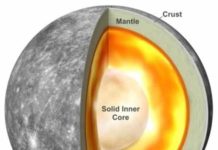
Earth’s mantle Credit: Naeblys

How does the Earth generate its magnetic field? While the basic mechanisms seem to be understood, many details remain unresolved. A team of researchers from the Center for Advanced Systems Understanding (CASUS) at the Helmholtz-Zentrum Dresden-Rossendorf (HZDR), Sandia National Laboratories in the USA and the French Alternative Energies and Atomic Energy Commission (CEA) has introduced a simulation method that promises new insights into the Earth’s core. The method simulates not only the behavior of atoms, but also the magnetic properties of materials. The approach is significant for geophysics, but could also support the development of future technologies such as neuromorphic computing — an innovative approach to more efficient AI systems. The team presents its findings in the journal PNAS.

The Earth’s magnetic field is essential for sustaining life, as it shields the planet from cosmic radiation and solar wind. It is generated by the geodynamo effect. “We know that the Earth’s core is primarily composed of iron,” explains Attila Cangi, Head of the Machine Learning for Materials Design department at CASUS. “As you get closer to the Earth’s core, both temperature and pressure increase. The increase in temperature causes materials to melt, while the increase in pressure keeps them solid. Because of the specific temperature and pressure conditions inside the Earth, the outer core is in a molten state, while the inner core remains solid.” Electrically charged, liquid iron flows around the solid inner core driven by Earth’s rotation and convection currents. These movements produce electric currents, which, in turn, generate the planet’s magnetic field.

However, important questions about the Earth’s core remain unanswered. For instance, what is the exact structure of its core? And what role do additional elements — thought to be present alongside iron — play? Both factors could profoundly influence the geodynamo effect. Clues come from experiments where scientists send seismic waves through the Earth and measure their “echoes” with highly sensitive sensors. “These experiments suggest that the core contains more than just iron,” says Svetoslav Nikolov from Sandia National Laboratories, lead author of the study. “The measurements do not agree with computer simulations that assume a pure iron core.”

Simulating shock waves on the computer

The research team now achieved significant progress by developing and testing a new simulation method. The key innovation of the method called molecular-spin dynamics lies in the integration of two previously separate simulation approaches: molecular dynamics, which models atomic motion, and spin dynamics, which accounts for magnetic properties. “By combining these two methods, we were able to investigate the influence of magnetism under high-pressure and high-temperature conditions on length and time scales that were previously unattainable,” emphasizes CEA physicist Julien Tranchida. Specifically, the team simulated the behavior of two million iron atoms and their spins to analyze the dynamic interplay between mechanical and magnetic properties. The researchers also employed artificial intelligence (AI), using machine learning to determine force fields — interactions between atoms — with high precision. Developing and training these models required high-performance computing resources.

Once the models were ready, the researchers performed the actual simulations: the digital model of two million iron atoms, representative of the Earth’s core, was subjected to the temperature and pressure conditions found in the Earth’s interior. This was done by propagating pressure waves through the iron atoms, simulating their heating and compression. When the speed of these shock waves was lower, the iron remained solid and adopted different crystal structures. When the shock waves were faster, the iron became mostly liquid. In particular, the researchers found that magnetic effects significantly affect the material’s properties. “Our simulations agree well with the experimental data,” says Mitchell Wood, a materials scientist at Sandia National Laboratories, “and they suggest that under certain temperature and pressure conditions, a particular phase of iron could stabilize and potentially affect the geodynamo.” This phase, known as the bcc phase, has not been experimentally observed in iron under these conditions, only hypothesized. If confirmed, the results of the molecular-spin dynamics method could help resolve several questions about the geodynamo effect.

Driving energy-efficient AI

Beyond uncovering new details about the Earth’s interior, the method also has the potential to drive technological innovations in materials science. Both in his department and through external collaboration, Cangi plans to use the technique to model neuromorphic computing devices. This is a new type of hardware inspired by the way the human brain works, which could one day process AI algorithms faster and more energy-efficiently. By digitally replicating spin-based neuromorphic systems, the new simulation method could support the development of innovative, efficient hardware solutions for machine learning.

Data storage offers a second compelling avenue for further research: Magnetic domains along tiny nanowires could serve as storage media that are faster and more energy-efficient than conventional technologies. “There are currently no accurate simulation methods for either application,” says Cangi. “But I am confident that our new approach can model the required physical processes in such a realistic way, that we can significantly accelerate the technological development of these IT innovations.”

Reference:
Svetoslav Nikolov, Kushal Ramakrishna, Andrew Rohskopf, Mani Lokamani, Julien Tranchida, John Carpenter, Attila Cangi, Mitchell A. Wood. Probing iron in Earth’s core with molecular-spin dynamics. Proceedings of the National Academy of Sciences, 2024; 121 (51) DOI: 10.1073/pnas.2408897121

Note: The above post is reprinted from materials provided by Helmholtz-Zentrum Dresden-Rossendorf.
Unlocking the journey of gold through magmatic fluids

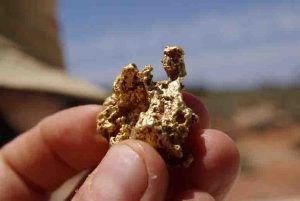
Gold nugget found in the field. Credit: University of Adelaide

When one tectonic plate sinks beneath another, it generates magmas rich in volatiles such as water, sulphur and chlorine. As these magmas ascend, they release magmatic fluids, in which sulphur and chlorine bind to metals such as gold and copper, and transport these metals towards the surface of the Earth. As the extreme conditions relevant to natural magmas are very difficult to reproduce in the laboratory, the precise role of the different forms of sulphur in metal transport remains highly debated. However, an innovative approach by a team from the University of Geneva (UNIGE) has demonstrated that sulphur, in its bisulphide (HS-) form, is crucial for the transport of gold in magmatic fluids. These findings are published in Nature Geoscience.

When two tectonic plates collide, the subducting plate plunges into the Earth’s mantle, heats up and releases large amounts of water. This water lowers the melting temperature of the mantle, which melts under high pressure and temperatures exceeding a thousand degrees Celsius to form magmas. As the liquid magma is less dense than the rest of the mantle, it migrates towards the Earth’s surface.

”Due to the drop in pressure, magmas rising towards the Earth’s surface saturate a water-rich fluid, which is then released as magmatic fluid bubbles, leaving a silicate melt behind” explains Stefan Farsang, a postdoctoral fellow at the Department of Earth Sciences at UNIGE’s Faculty of Science and first author of the study. Magmatic fluids are therefore composed partly of water, but also of dissolved volatile elements such as sulphur and chlorine. These two elements are crucial because they extract gold, copper and other metals from the silicate melt into the magmatic fluid, thus facilitating their migration towards the surface.

Several forms of sulphur

Sulphur can easily be reduced or oxidised, i.e. gain or lose electrons, a process known as redox. The redox state of sulphur is important because it affects its ability to bind to other elements, such as metals. However, one debate has divided the scientific community for more than a decade: what is the redox state of the sulphur present in the magmatic fluid that mobilizes and transports metals?

Zoltán Zajacz, associate professor in the Department of Earth Sciences at UNIGE’s Faculty of Science and coauthor of the study, explains: “A seminal paper in 2011 suggested that S3- sulphur radicals play this role. However, the experimental and analytical methods had several limitations, particularly when it came to reproducing relevant magmatic pressure-temperature and redox conditions, which we have now overcome.”

Methodological revolution

The UNIGE team placed a quartz cylinder and a liquid with a composition similar to that of a magmatic fluid in a sealed gold capsule. The capsule was then put into a pressure vessel, which was then brought to pressure and temperature conditions characteristic of magmas emplaced in the Earth’s upper crust. ”Above all, our setup facilitates flexible control of the redox conditions in the system, which wasn’t possible before,” adds Stefan Farsang.

During the experiments, the quartz cylinder is fractured, allowing the synthetic magmatic fluid to enter. The quartz then traps microscopic-sized droplets of fluid like those found in nature, and the form of sulphur in these can be analysed at high temperature and pressure by using lasers with an analytical technique known as Raman spectroscopy. While previous spectroscopic experiments were typically run up to 700 °C, the UNIGE team succeeded in raising the temperature to 875 °C characteristic of natural magmas.

Bisulphide as a transporter

The study shows that bisulphide (HS-), hydrogen sulfide (H₂S) and sulphur-dioxide (SO₂) are the major sulphur species present in the experimental fluids at magmatic temperatures. The role of bisulphide in metal transport was already well documented in lower-temperature so-called hydrothermal fluids that originate from the higher-temperature magmatic fluids. However, bisulfide was thought to have very limited stability at magmatic temperatures. Thanks to their cutting-edge methodology, the UNIGE team was able to show that in magmatic fluids too, bisulphide is responsible for transporting most of the gold.

”By carefully choosing our laser wavelengths, we also showed that in previous studies, the amount of sulphur radicals in geologic fluids was severely overestimated and that the results of the 2011 study were in fact based on a measurement artefact, putting an end to this debate,” says Stefan Farsang. The conditions leading to the formation of important precious metal ore deposits have now been clarified. Since much of the world’s copper and gold production comes from deposits formed by magma-derived fluids, this study may contribute to their exploration by opening up important perspectives for understanding their formation.

Reference:
Stefan Farsang, Zoltán Zajacz. Sulfur species and gold transport in arc magmatic fluids. Nature Geoscience, 2024; DOI: 10.1038/s41561-024-01601-3

Note: The above post is reprinted from materials provided by Université de Genève.

Massive volcanic eruptions did not cause the extinction of dinosaurs

volcanoes
volcanoes

Massive volcanic eruptions on the Indian peninsula have long been proposed as an alternative cause for the demise of the dinosaurs. This phase of active volcanism took place in a period just before the Earth was struck by a meteorite, 66 million years ago. The effect of these volcanic eruptions on the Earth’s climate has been topic of fierce scientific debates for decades. Now, climate scientists from Utrecht University and the University of Manchester show that, while the volcanism caused a temporary cold period, the effects had already worn off thousands of years before the meteorite impacted. The scientists therefore conclude that the meteorite impact was the ultimate cause of the dinosaur extinction event.

What killed off the dinosaurs — was it the Chicxulub meteorite or did the effects of massive volcanism also play a role? Many modern children’s books on the history of dinosaurs include speculation on these two competing ideas.

The meteorite impact in the Gulf of Mexico roughly 66 million years ago is well researched and widely known as the defining end of the dinosaur age. But earth scientists have fiercely debated for decades whether a massive outpouring of lava on the Indian continent, which occurred both prior to and after the meteorite impact, also contributed to the demise of dinosaur populations roaming the Earth. These volcanic eruptions released vast amounts of CO2, dust, and sulphur, thereby significantly altering the climate on earth — but in different ways and on different timescales to a meteorite impact.

Ancient peats

A new publication in the scientific journal Science Advances by climate scientists from Utrecht University and the University of Manchester now provides compelling evidence that while the volcanic eruptions in India had a clear impact on global climate, they likely had little to no effect on the mass extinction of the dinosaurs.

By analysing fossil molecules in ancient peats from the United States of America, the scientific team reconstructed air temperatures for the time period covering both the volcanic eruptions and the meteorite impact. Using this method, the researchers show that a major volcanic eruption occurred about 30,000 years before the meteor impact, coinciding with at least a 5° Celsius cooling of the climate. They also conclude that this cooling was likely the result of volcanic sulphur emissions blocking sunlight from reaching the Earth’s surface.

Importantly, the scientists discovered that by around 20,000 years before the meteorite impact, temperatures on Earth had already stabilised and had climbed back to similar temperatures before the volcanic eruptions started. This period of global warming was likely aided by volcanic CO2 emissions, says Lauren O’Connor at Utrecht University: “These volcanic eruptions and associated CO2 and sulphur release would have had drastic consequences for life on earth. But these events happened millennia before the meteorite impact and probably played only a small part in the extinction of dinosaurs.”

Impact winter

With the effects of volcanism practically ruled out, this would leave the Chicxulub meteorite impact as the primary cause of the dinosaur mass extinction. “By comparison, the impact from the asteroid unleashed a chain of disasters, including wildfires, earthquakes, tsunamis, and an ‘impact winter’ that blocked sunlight and devastated ecosystems. We believe the asteroid that ultimately delivered the fatal blow,” says Rhodri Jerrett at the University of Manchester.

The fossil peats that the researchers analysed contain specific membrane-spanning molecules produced by bacteria. The structure of these molecules changes depending on the temperature of their environment. By analysing the composition of these molecules preserved in ancient sediments, scientists are able to calculate past temperatures. O’Connor adds: “This way, we were able to create a detailed ‘temperature timeline’ for the years leading up to the dinosaur extinction, which we can compare to the fossil record to understand the relative timing of events..”

The researchers from Utrecht University, the University of Manchester, Plymouth University, and the Denver Museum of Nature & Science, are now applying the same approach to reconstruct past climate at other critical periods in Earth’s history.

Reference:
Lauren K. O’Connor, Rhodri M. Jerrett, Gregory D. Price, Tyler R. Lyson, Sabine K. Lengger, Francien Peterse, Bart E. van Dongen. Terrestrial evidence for volcanogenic sulfate-driven cooling event ~30 kyr before the Cretaceous–Paleogene mass extinction. Science Advances, 2024; 10 (51) DOI: 10.1126/sciadv.ado5478

Note: The above post is reprinted from materials provided by Utrecht University.

Tyrannosaur teeth discovered in Bexhill-on-Sea, England

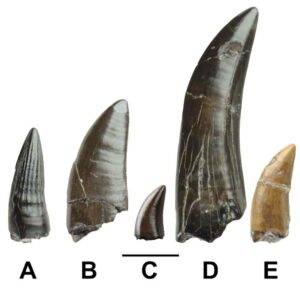
Discovered teeth of (a) spinosaur, (b) tyrannosaur, (c) dromaeosaur, (d) possible tyrannosaur, (e) indeterminate tyrannoraptoran - the group containing tyrannosaurs and dromaeosaurs (Velociraptor and kin). Credit Barker et al (2024)
Discovered teeth of (a) spinosaur, (b) tyrannosaur, (c) dromaeosaur, (d) possible tyrannosaur, (e) indeterminate tyrannoraptoran – the group containing tyrannosaurs and dromaeosaurs (Velociraptor and kin). Credit Barker et al (2024)

Research led by the University of Southampton has revealed that several groups of meat-eating dinosaur stalked the Bexhill-on-Sea region of coastal East Sussex 135 million years ago.

The study, published today [5 December 2024] in Papers in Palaeontology, has discovered a whole community of predators belonging to different dinosaur groups — including tyrannosaurs, spinosaurs and members of the Velociraptor family.

It’s the first time tyrannosaurs have been identified in sediments of this age and region.

“Meat-eating dinosaurs — properly called theropods — are rare in the Cretaceous sediments of southern England,” said Dr Chris Barker, visiting researcher at the University of Southampton and lead author of the research.

“Usually, Isle of Wight dinosaurs attract most of our attention. Much less is known about the older Cretaceous specimens recovered from sites on the mainland.”

Dinosaur teeth

The new Bexhill-on-Sea dinosaurs are represented by teeth alone.

Theropod teeth are complex, and vary in size, shape, and in the anatomy of their serrated edges. The University of Southampton team used several techniques to analyse the fossils, including phylogenetic, discriminant and machine learning methods, teaming up with colleagues at London’s Natural History Museum, the Hastings Museum and Art Gallery, and the Museo Miguel Lillo De Ciencias Naturales in Argentina.

“Dinosaur teeth are tough fossils and are usually preserved more frequently than bone. For that reason, they’re often crucial when we want to reconstruct the diversity of an ecosystem,” says Dr Barker.

“Rigorous methods exist that can help identify teeth with high accuracy. Our results suggest the presence of spinosaurs, mid-sized tyrannosaurs and tiny dromaeosaurs — Velociraptor-like theropods — in these deposits.”

The discovery of tyrannosaurs is particularly notable, since the group hasn’t previously been identified in sediments of this age and region. These tyrannosaurs would have been around a third of the size of their famous cousin Tyrannosaurus rex, and likely hunted small dinosaurs and other reptiles in their floodplain habitat.

“Assigning isolated teeth to theropod groups can be challenging, especially as many features evolve independently amongst different lineages. This is why we employed various methods to help refine our findings, leading to more confident classifications,” says Lucy Handford, co-author of the paper and former University of Southampton Master’s student, who is now undertaking a PhD at the University of York.

“It’s highly likely that reassessment of theropod teeth in museum stores elsewhere will bring up additional discoveries.”

Discovery at Ashdown Brickworks

The tireless collecting of retired quarryman Dave Brockhurst, who has spent the last 30 years uncovering fossils from Ashdown Brickworks, was key to the discovery.

Dave has uncovered thousands of specimens, ranging from partial dinosaur skeletons to tiny shark teeth. Around 5000 of his discoveries have already been donated to Bexhill Museum. Theropods are exceptionally rare at the site, and Dave has only found ten or so specimens there so far.

“As a child I was fascinated by dinosaurs and never thought how close they could be,” says Mr Brockhurst. “Many years later I started work at Ashdown and began looking for fossils. I’m happy with tiny fish scales or huge thigh bones, although the preservation of the dinosaur teeth really stands out for me.”

Exciting find

Dr Darren Naish, a co-author of the study, added: “Southern England has an exceptionally good record of Cretaceous dinosaurs, and various sediment layers here are globally unique in terms of geological age and the fossils they contain.

“These East Sussex dinosaurs are older than those from the better-known Cretaceous sediments of the Isle of Wight, and are mysterious and poorly known by comparison. We’ve hoped for decades to find out which theropod groups lived here, so the conclusions of our new study are really exciting.”

Dr Neil Gostling, also from the University of Southampton, supervised the project. He said: “This project shows that museum collections, curators, and collectors are vital for pushing forward our understanding of the diversity of dinosaurs, and other extinct groups. We’re also very thankful to Ashdown Brickworks for their cooperation in preserving the quarry’s important palaeontological heritage.

“200 years after the naming of the first dinosaur, Megalosaurus, there are still really big discoveries to be made. Dinosaur palaeobiology is alive and well.”

Several of the specimens are on display at Bexhill Museum in East Sussex.

The research was funded by the University of Southampton’s Institute for Life Sciences.

Reference:
Chris T. Barker, Lucy Handford, Darren Naish, Simon Wills, Christophe Hendrickx, Phil Hadland, Dave Brockhurst, Neil J. Gostling. Theropod dinosaur diversity of the lower English Wealden: analysis of a tooth‐based fauna from the Wadhurst Clay Formation (Lower Cretaceous: Valanginian) via phylogenetic, discriminant and machine learning methods. Papers in Palaeontology, 2024; 10 (6) DOI: 10.1002/spp2.1604

Note: The above post is reprinted from materials provided by University of Southampton.

Fossil dung reveals clues to dinosaur success story

The researchers have chosen to understand the biology of early dinosaurs based on their dietary preferences.

In an international collaboration, researchers at Uppsala University have been able to identify undigested food remains, plants and prey in the fossilised faeces of dinosaurs. These analyses of hundreds of samples provide clues about the role dinosaurs played in the ecosystem around 200 million years ago. The findings have been published in the journal Nature.

“Piecing together ‘who ate whom’ in the past is true detective work,” says Martin Qvarnström, researcher at the Department of Organismal Biology and lead author of the study. “Being able to examine what animals ate and how they interacted with their environment helps us understand what enabled dinosaurs to be so successful.”

Palaeontologists from Uppsala University, in collaboration with researchers from Norway, Poland and Hungary, have examined hundreds of samples using advanced synchrotron imaging to visualise the hidden, internal parts of the fossilised faeces, known as coprolites, in detail. By identifying undigested food remains, plants and prey, they have recreated the structure of the ecosystems at the time when dinosaurs began their success story.

The study focused on a previously underexplored region, Polish Basin, located in the Late Triassic time in the in the northern parts of the then supercontinent Pangea. The researchers built up a comprehensive picture of the Triassic and Jurassic ecosystems (from about 230 to 200 million years ago) by combining the information from the coprolites with climate data and information from other fossils: plants, bite marks, vomit, footprints and bones.

“The research material was collected over a period of 25 years. It took us many years to piece everything together into a coherent picture,” says Grzegorz Niedźwiedzki, researcher at the Department of Organismal Biology and the study’s senior author. “Our research is innovative because we have chosen to understand the biology of early dinosaurs based on their dietary preferences. There were many surprising discoveries along the way.”

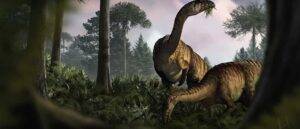
The coprolites contained remains of fish, insects, larger animals and plants, some of which were unusually well preserved, including small beetles and semi-complete fish. Other coprolites contained bones chewed up by predators that, like today’s hyenas, crushed bones to obtain salts and marrow. The contents of coprolites from the first large herbivorous dinosaurs, the long-necked sauropods, surprised the researchers. These contained large quantities of tree ferns, but also other types of plants, and charcoal. The palaeontologists hypothesise that charcoal was ingested to detoxify stomach contents, as ferns can be toxic to herbivores.

The research addresses a significant gap in current knowledge: the first 30 million years of dinosaur evolution during the Late Triassic period. Although much is known about their lives and extinction, the ecological and evolutionary processes that led to their rise are largely unexplored. The study results in a five-step model of dinosaur evolution that the researchers believe can explain global patterns.

The team emphasises that understanding how the first dinosaurs achieved their success can offer valuable insights into prehistoric ecosystems and evolutionary processes in general. The results show that dietary diversity and adaptability were crucial survival traits during the environmental changes of the Late Triassic.

“Unfortunately, climate change and mass extinctions are not just a thing of the past. By studying past ecosystems, we gain a better understanding of how life adapts and thrives under changing environmental conditions,” says Qvarnström.

“The way to avoid extinction is to eat a lot of plants, which is exactly what the early herbivorous dinosaurs did. The reason for their evolutionary success is a true love of green and fresh plant shoots,” Niedzwiedzki concludes.

Reference:
Martin Qvarnström, Joel Vikberg Wernström, Zuzanna Wawrzyniak, Maria Barbacka, Grzegorz Pacyna, Artur Górecki, Jadwiga Ziaja, Agata Jarzynka, Krzysztof Owocki, Tomasz Sulej, Leszek Marynowski, Grzegorz Pieńkowski, Per E. Ahlberg, Grzegorz Niedźwiedzki. Digestive contents and food webs record the advent of dinosaur supremacy. Nature, 2024; DOI: 10.1038/s41586-024-08265-4

Note: The above post is reprinted from materials provided by Uppsala University.

Giant prehistoric elephant skull from India belongs to mysterious extinct species

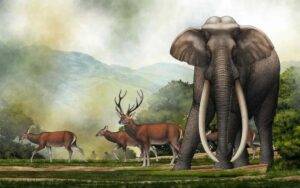
An imposing fully-grown male Palaeoloxodon turkmenicus wandering the Kashmir Valley, 400 thousand years ago, towering over a herd of Central Asian red deer traversing by. In the distance, a small band of prehistoric humans set up campfire to cook their meal. Credit: Chen Yu, University of Helsinki

The giant fossil skull of an extinct elephant, discovered in northern India’s Kashmir Valley in 2000, sheds light on a poorly known episode in elephant evolutionary history.

The elephant skull was buried with 87 stone tools used by prehistoric humans, and all the materials were excavated under the leadership of Dr. Ghulam Bhat at the University of Jammu.

Recently, an international team of scientists from the Florida Museum of Natural History, the British Museum, the University of York, and the Natural History Museum (London), along with the University of Helsinki’s Dr. Steven Zhang, studied the Kashmir skull to uncover the age and evolutionary context of this megaherbivore. The paper is published in the Journal of Vertebrate Paleontology.

“From the general shape of the skull, it’s quite apparent that the elephant belonged to Palaeoloxodon, or straight-tusked elephants, among the largest land mammals that ever lived. Full-grown adults easily stood around 4m tall at the shoulder and weighed 9–10 tonnes,” says Zhang, a paleontologist from the University’s Department of Geosciences and Geography.

“Yet what’s puzzled experts for some time is that the Kashmir skull lacks a thickened, forward-projecting crest at the skull roof which typifies other Palaeoloxodon skulls found in India.”

Over recent decades, whether the developmental extent of this crest could tell apart different species of Palaeoloxodon and the relative position of these species on the evolutionary tree of elephants has remained controversial. However, recent research concluded that the skull crest in these extinct elephants became more prominent with developmental and sexual maturity. This means that, once specimens can be aged by examining their teeth, it would be possible to compare skulls from individuals with similar levels of maturity.

“From the size, the wisdom teeth and a few other telltale features of the skull, it is evident that the animal was a majestic bull elephant in the prime of its life, but the lack of a well-developed skull crest, particularly in comparison with other mature male skulls from Europe and from India, tells us we have a different species on our hands here,” Zhang explained.

Instead, the research team noticed how the Kashmir skull’s features conform best with another obscure skull from Turkmenistan studied in the 1950s, which was proposed to represent a distinct species, Palaeoloxodon turkmenicus.

“What’s always been puzzling about the Turkmen skull is that, besides the lack of a prominent crest at the skull roof, its other features are highly similar to the already well-known European species, P. antiquus. And this led a number of experts to suggest that the Turkmen specimen is simply an aberrant individual of the European species,” says Zhang.

“But with the Kashmir skull added to the mix, it becomes clear now that the two specimens can be theorized to represent a distinct species that we previously knew very little about, with a broad distribution from Central Asia to the northern Indian Subcontinent,” added Dr. Advait Jukar, the study’s lead author, currently based at the Florida Museum of Natural History.

By measuring protein decomposition in the tooth enamel of the Kashmir Palaeoloxodon skull, and examining stone tools buried alongside the elephant remains, the team concluded that the Kashmir skull dates to the Middle Pleistocene period 300,000–400,000 years ago, very similar to the estimated age of the Turkmen skull. This supports the belief that the two skulls represent a species distinct from other Eurasian Palaeoloxodon.

Palaeoloxodon first evolved in Africa around 1 million years ago; this early African form had a narrow, convex forehead and underdevelopment of the skull crest. Later Palaeoloxodon, best-known from fossils discovered in Europe and India, have very wide, flattened forehead often associated with a thick crest that juts forward from the roof of the skull.

The team thus concluded that with a wide, flat forehead with only the faintest trace of a skull crest, P. turkmenicus may represent a poorly-known missing link that fills a gap in our understanding of how these prodigious prehistoric megaherbivores evolved.

Reference:
Advait M. Jukar et al, A remarkable Palaeoloxodon (Mammalia, Proboscidea) skull from the intermontane Kashmir Valley, India, Journal of Vertebrate Paleontology (2024). DOI: 10.1080/02724634.2024.2396821

Note: The above post is reprinted from materials provided by University of Helsinki.

Extremely well-preserved fossil sawfly sheds new light on co-evolution of insects and toxic plants

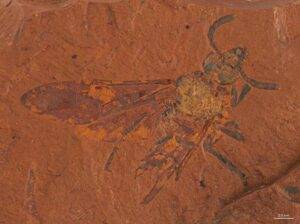
The fossil is believed to be between 11 and 16 million years old, from the Miocene Period. Credit: Michael Frese, University of Canberra

A team of Australian researchers has described a new species of now-extinct sawfly from an extremely well-preserved fossil found in central NSW.

This fossilised sawfly, which is between 11 and 16 million years old from the Miocene Period, was the first of its kind discovered in Australia and only the second discovered in the world. It was found by a team of palaeontologists in 2018 who were exploring McGraths Flat, a fossil site in central NSW that has since yielded many other detailed fossils.

Despite the name, sawflies are not flies but a type of wasp, with spitfires the most widely recognised group of sawfly species in Australia. They are called sawflies because they have a saw-like ovipositor that is used to lay eggs, and they could be mistaken as flies because they lack a typical ‘wasp waist’.

With the approval of the Mudgee Local Aboriginal Land Council, Wiradjuri words were used to name the newly described species of sawfly Baladi warru. ‘Baladi’ means ‘saw’ and ‘warru’ means ‘wasp’. This name honours the Traditional Owners of the lands on which the fossil was located.

Researchers from Australia’s national science agency, CSIRO, the University of Canberra, Australian Museum and Queensland Museum have analysed the sawfly’s wing venation and other features preserved in the fossil and determined its taxonomic (scientific naming) placement within sawflies. This allowed them to describe it as a new species.

CSIRO research scientist, Dr Juanita Rodriguez, helped describe the new sawfly species.

“We looked at the fossil and its morphology and then put this information together with molecular and morphological data from a wide sample of current sawfly species. This helped us decipher the fossil’s placement in the sawfly tree of life,” Dr Rodriguez said.

“We used the fossil’s age and its placement to establish that sawflies originated in the Cretaceous Period, around 100 million years ago, which means their ancient ancestors lived in Gondwana. When this supercontinent split up, sawflies ended up distributed in Australia and South America.

“When we examined the fossil, we identified pollen grains on the sawfly’s head which revealed it had visited a flowering Quintinia plant. This helped our team trace complex species interactions in the palaeoenvironment of McGraths Flat.”

University of Canberra palaeontologist and CSIRO visiting scientist, Dr Michael Frese, who found the fossil sawfly, said this discovery would help researchers track evolution and distribution of sawflies.

“In particular, this find has helped us in understanding the incredible ability of sawflies to feed on toxic plants,” Dr Frese said.

“They eat the leaves of Myrtaceae – a family of woody plants that includes eucalypts – because they have mouthparts with which they can separate toxic oils or a chemical detoxification system inside their gut when feeding on myrtaceous leaves. This enables the larvae, sometimes called spitfires, to use the oils as a defensive weapon.

“In terms of the bigger picture, our work is helping researchers make sense of their current distribution across Australia and the Americas.

“Although this particular species, Baladi warru, has been extinct for millions of years, it provides information on native pollinators so we can understand their evolution and impact in the present.”

Reference:
Juanita Rodriguez et al, A new exceptionally preserved sawfly fossil (Hymenoptera: Pergidae) and an evaluation of its utility for divergence time estimation and biogeography, Systematic Entomology (2024). DOI: 10.1111/syen.12653

Note: The above post is reprinted from materials provided by CSIRO.

Golden bugs: Spectacular new fossil arthropods preserved in fool’s gold

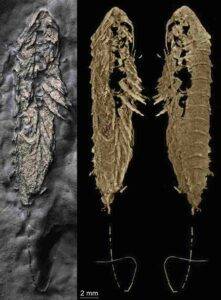
The holotype specimen of Lomankus edgecombei. Photograph at left, other images at right are 3D models from CT scanning. Credit: Luke Parry (photograph), Yu Liu, Ruixin Ran (3D models).

A team of researchers led by Associate Professor Luke Parry, Department of Earth Sciences, University of Oxford, have unveiled a spectacular new 450-million-year-old fossil arthropod (the group that contains spiders, centipedes, and insects). Besides being an extraordinary-looking new scientific species, the specimens are entirely preserved by fool’s gold.

The work is published in the journal Current Biology.

Associate Professor Parry said, “As well as having their beautiful and striking golden color, these fossils are spectacularly preserved. They look as if they could just get up and scuttle away.”

The new fossil, named Lomankus edgecombei, after arthropod expert Greg Edgecombe of London’s Natural History Museum, belongs to a group called megacheirans, an iconic group of arthropods with a large, modified leg (called a “great appendage”) at the front of their bodies that was used to capture prey.

Megacheirans like Lomankus were very diverse during the Cambrian Period (538–485 million years ago) but were thought to be largely extinct by the Ordovician Period (485–443 million years ago).

This discovery offers important new clues towards solving the long-standing riddle of how arthropods evolved the appendages on their heads: one or more pairs of legs at the front of their bodies modified for specialized functions like sensing the environment and capturing prey. Such appendages include the antennae of insects and crustaceans, and the pincers and fangs of spiders and scorpions.

“Today, there are more species of arthropod than any other group of animals on Earth. Part of the key to this success is their highly adaptable head and its appendages, that has adapted to various challenges like a biological Swiss army knife,” Associate Professor Parry continued.

While other megacheirans used their large first appendage for capturing prey, in Lomankus the typical claws are much reduced, with three long and flexible whip-like flagella at their end. This suggests that Lomankus was using this frontal appendage to sense the environment, rather than to capture prey, indicating it lived a very different lifestyle to its more ancient relatives in the Cambrian Period.

Unlike other megacheirans, Lomankus seems to lack eyes, suggesting that it relied on its frontal appendage to sense and search for food in the dark, low-oxygen environment in which it lived.

“Rather than representing a ‘dead end,’ Lomankus shows us that megacheirans continued to diversify and evolve long after the Cambrian, with the formerly fearsome great appendage now performing a totally different function,” Associate Professor Parry continued.

The fossil offers new clues towards solving the highly-debated question of what the equivalent of the great appendage of megacheirans is in living species.

Co-corresponding author Professor Yu Liu (Yunnan University) said, “These beautiful new fossils show a very clear plate on the underside of the head, associated with the mouth and flanked by the great appendages. This is a very similar arrangement to the head of megacheirans from the early Cambrian of China except for the lack of eyes, suggesting that Lomankus probably lived in a deeper and darker niche than its Cambrian relatives.”

This arrangement of features on the head is similar to living arthropods, suggesting the great appendage is the equivalent of the antenna of insects and the chelicera (mouthparts) of spiders and scorpions.

The fossil was found at a site in New York State, U.S. that contains the famous “Beecher’s Trilobite Bed”; a layer of rock containing multiple trilobites with incredible preservation. Aside from trilobites, other kinds of organisms are much less common at this site, reflecting the rarity of this find.

The animals preserved in Beecher’s Trilobite Bed lived in a hostile, low oxygen environment that allowed pyrite, commonly known as fool’s gold, to replace parts of their bodies after they were buried in sediment, resulting in spectacular golden 3D fossils. Pyrite is a very dense mineral, and so fossils from this layer can be CT scanned to reveal hidden details of their anatomy.

This technique involves rotating the specimen while taking thousands of X-ray images, allowing the fossils to be reconstructed in three dimensions.

Professor Derek Briggs, a co-author of the study at Yale University said, “These remarkable fossils show how rapid replacement of delicate anatomical features in pyrite before they decay, which is a signature feature of Beecher’s Trilobite Bed, preserves critical evidence of the evolution of life in the oceans 450 million years ago.”

Reference:
A pyritized Ordovician leanchoiliid arthropod, Current Biology (2024). DOI: 10.1016/j.cub.2024.10.013.

Note: The above post is reprinted from materials provided by University of Oxford.

This ancient tadpole fossil is the oldest ever discovered

This image provided by Mariana Chuliver shows the oldest-known tadpole fossil found in Patagonia, Argentina. Credit: Mariana Chuliver via AP

Scientists have discovered the oldest-known fossil of a giant tadpole that wriggled around over 160 million years ago.

The new fossil, found in Argentina, surpasses the previous ancient record holder by about 20 million years.

Imprinted in a slab of sandstone are parts of the tadpole’s skull and backbone, along with impressions of its eyes and nerves.

“It’s not only the oldest tadpole known, but also the most exquisitely preserved,” said study author Mariana Chuliver, a biologist at Buenos Aires’ Maimonides University.

Researchers know frogs were hopping around as far back as 217 million years ago. But exactly how and when they evolved to begin as tadpoles remains unclear.

This new discovery adds some clarity to that timeline. At about a half foot (16 centimeters) long, the tadpole is a younger version of an extinct giant frog.

“It’s starting to help narrow the timeframe in which a frog becomes a frog,” said Ben Kligman, a paleontologist at the Smithsonian National Museum of Natural History who was not involved with the research.

The results were published Wednesday in the journal Nature.

The fossil is strikingly similar to the tadpoles of today—even containing remnants of a gill scaffold system that modern-day tadpoles use to sift food particles from water.

That means the amphibians’ survival strategy has stayed tried and true for millions of years, helping them outlast several mass extinctions, Kligman said.

Note: The above post is reprinted from materials provided by The Associated Press. All rights reserved. This material may not be published, broadcast, rewritten or redistributed without permission.

New fossil reveals the evolution of flying reptiles

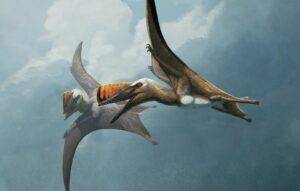
Life restoration of two Skiphosoura bavarica in flight. Credit: Gabriel Ugueto.

The pterosaurs are extinct flying reptiles that lived alongside their close relatives, the dinosaurs. The largest of these reached 10 m in wingspan, but early forms were generally limited to around 2 m. In a new paper today, a team led by palaeontologist Dr David Hone of Queen Mary University of London and published in the journal Current Biology describes a new species of pterosaur that helps to explain this important transition.

They named the animal Skiphosoura bavarica meaning ‘sword tail from Bavaria’ because it comes from southern Germany and has a very unusual short, but stiff and pointed tail. The specimen is complete with nearly every single bone preserved and unusually, it is preserved in three dimensions, where most pterosaurs tend to be crushed flat. In life it would have been about 2 m in wingspan, similar to that of large birds like the golden eagle.

For two hundred years, palaeontologists split the pterosaurs into two major groups, the early non-pterodactyloids and the later and much larger pterodactyloids. The early pterosaurs had short heads on short necks, a short bone in the wrist of the wing, a long 5th toe on the foot and long tails, and the pterodactyloids had the opposite: large heads on long necks, a long wrist, short 5th toe and short tail. But which parts of their body changed when between these groups was not known.

In the 2010s, a series of intermediate species called darwinopterans were found that revealed that the head and neck had changed first before the rest of the body. It was a great example of an intermediate that bridged an evolutionary gap. But it also meant we did not really know what was going on before or after these changes.

Skiphosoura reveals these changes. Evolutionarily it sits between these earlier darwinopterans and the pterodactyloids. It retains a very pterodactyloid-like head and neck, but also shows a longer wrist, and a shorter toe and tail than earlier darwinopterans but these are not as extreme as those seen in the pterodactyloids. With the study also comes a new reconstruction of the evolutionary family tree for pterosaurs. In addition to showing the intermediate position of Skiphosoura, it also shows that a Scottish pterosaur, Dearc, as fitting in the mirror position between the early pterosaurs and the first darwinopterans.

In other words, we now have a complete sequence of evolution from early pterosaurs to Dearc, to the first darwinopterans to Skiphosoura, to the pterodactyloids. While not every specimen is complete, we can now trace the increase in size of the head and neck, the elongating wrist, shrinking toe and tail and other features step-by-step across multiple groups. It’s a superb illustration of the evolution of a group for which the transition has been far from clear before.

Both Dearc and Skiphosoura are unusually large for their time also suggesting that the changes that enabled the pterodactlyoids to reach enormous sizes were appearing even in these transitional species.

Dr David Hone, from Queen Mary University of London, said: “This is an incredible find. It really helps us piece together how these amazing flying animals lived and evolved. Hopefully this study will be the basis for more work in the future on this important evolutionary transition”.

Adam Fitch, from the University of Wisconsin-Maddison, said: “Pterosaurs have long been symbols of the unique life of the past. Skiphosoura represents an important new form for working out pterosaur evolutionary relationships and by extension how this lineage arose and changed.”

René Lauer of the Lauer Foundation said: “The specimen was disarticulated with bones of varying quality often overlaid upon one another. Digital photography of the specimen taken in both visible and UV light significantly aided in the process to identify these elements and to better analyze finer details that were not discernible in normal daylight alone” and Bruce Lauer of the Lauer Foundation said: “The Lauer Foundation is proud to have the opportunity to bring this important specimen to science and further the understanding of pterosaur evolution”.

Stefan Selzer an author on the project who prepared the specimen said: “As a preparator I have worked on more than 60 pterosaur specimens from Solnhofen limestone. I recognized during the final prep this specimen showed features that combined characteristics of both major groups of pterosaurs, with the shortened tail as the most important diagnostic feature.”

Reference:
David William Elliott Hone, Adam Fitch, Stefan Selzer, René Lauer, Bruce Lauer. A new and large monofenestratan reveals the evolutionary transition to the pterodactyloid pterosaurs. Current Biology, 2024; DOI: 10.1016/j.cub.2024.10.023

Note: The above post is reprinted from materials provided by Queen Mary University of London.

Paleontologists discover Saskatchewan’s first Centrosaurus and Citipes elegans fossils

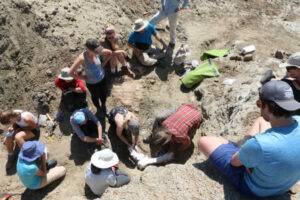
Paleontologists and students from McGill University have documented Saskatchewan's first confirmed fossil specimens
Paleontologists and students from McGill University have documented Saskatchewan’s first confirmed fossil specimens

Paleontologists and students from McGill University have documented Saskatchewan’s first confirmed fossil specimens of Centrosaurus, a horned dinosaur species closely related to Triceratops.

The search, conducted in Saskatchewan Landing Provincial Park along the South Saskatchewan River, also unearthed a rare mix of dinosaur and marine fossils, shedding light on a dinosaur fauna that existed on the edge of an ancient sea at a time of rising sea levels long before humans roamed the earth.

The findings by biology professor Hans Larsson’s field team were published in the Canadian Journal of Earth Sciences. They shed new light on the habitat range of Centrosaurus and the unique Late Cretaceous coastal ecosystem of ancient Saskatchewan.

“We document the largest collection of fossil specimens assigned to Centrosaurus in Saskatchewan,” said Alexandre Demers-Potvin, corresponding author of the study who just defended his Ph.D. in the Department of Biology and wrote the paper for his thesis.

“It appeared to live near a shallow sea with several marine vertebrates, like sharks, which really confirms that the ancient range of this extinct species now extends all the way to the eastern coast of an ancient continent that included western North America.”

The discovery site, dubbed the Lake Diefenbaker Bonebed, reveals an environment unlike any previously documented in Canada. Approximately 75 million years ago, during the Late Cretaceous period, North America was divided by an inland sea. While Dinosaur Provincial Park in Alberta has long provided insight into inland ecosystems, this new site provides the first look at a coastal habitat, showing how large terrestrial dinosaurs like Centrosaurus shared space with marine animals in a mosaic of estuaries and barrier islands.

“Centrosaurus was only definitely known from sites of similar age in Alberta,” said Demers-Potvin. “Now we report fossils that unequivocally belong to this species from Saskatchewan for the first time. It was always very likely to be found nearby, but the presence of Citipes elegans, a small, parrot-beaked dinosaur, was more unexpected.”

The discovery of Citipes elegans, previously only known from Alberta, is the first of its kind in Saskatchewan and points to a broader diversity of small dinosaur species in the region.

“This entire ecosystem can help us understand how animals and plants adapted to that kind of environmental change without human interference and on a longer time scale,” said Larsson.

Most fossils in this study were excavated by McGill students participating in Larsson’s vertebrate paleontology field course. These fossils were prepared and curated at McGill’s Redpath Museum over the past decade on loan from the Royal Saskatchewan Museum in Regina.

Reference:
Alexandre V. Demers-Potvin et al, Occurrence of Centrosaurus apertus (Ceratopsidae: Centrosaurinae) in Saskatchewan, Canada, and expanded dinosaur diversity in the easternmost exposure of the Late Cretaceous (Campanian) Dinosaur Park Formation, Canadian Journal of Earth Sciences (2024). DOI: 10.1139/cjes-2023-0125

Note: The above post is reprinted from materials provided by McGill University.

Fossil amphibians found in burrows where they waited for the next rainy season

Fossil skull of the newly described amphibian. Credit: David Lovelace

Two hundred and thirty million years ago, in what’s now Wyoming, the seasons were dramatic. Torrential rain would pelt the region for months on end, and when the mega-monsoon ended, the region became extremely dry. This weather would have been challenging for amphibians that need to keep their skin moist, but one group of salamander-like creatures found a solution, as evidenced by their bizarre fossils.

In a new study in the journal Proceedings of the Royal Society B, researchers describe a new species of fossil amphibian, preserved in torpedo-shaped burrows where they waited out the dry season.

“Based on how the rocks in the area formed and what they’re made of, we can tell that Wyoming experienced some of the most drastic seasonal effects of the mega-monsoon that affected the whole supercontinent of Pangea,” says Cal So, the study’s lead author and an incoming postdoctoral scientist at the Field Museum in Chicago.

“So how did these animals stay moist and prevent themselves from drying out during the hot and dry season that lasted several months? This is the cool thing. We find these fossils inside these cylindrical structures up to 12 inches long, which we’ve interpreted as burrows.”

Cal So, who recently obtained their Ph.D. from George Washington University, first encountered the strange fossil burrows as an undergraduate at the University of Wisconsin, while working with Research Scientist David Lovelace of the University of Wisconsin Geology Museum.

In 2014, Lovelace was searching for fossils in Wyoming, in an area stewarded by the Bureau of Land Management in a rock layer he would eventually call the Serendipity Beds.

“One of my passions is ichnology—the hidden biodiversity that can be shown through tracks of animals or traces of other living organisms,” says Lovelace.

He spotted a small cylindrical structure, and several larger ones that looked “like a Pringle can,” made of rock. Lovelace recognized the structures as in-filled burrows made by an animal long ago, but a small one stood out.

“It was tiny, it was so cute,” he says. He collected several of the cylinders for his research.

Back in the lab, Lovelace took a hammer to one of the preserved burrows to see if there were any fossils inside, and he found a tiny, toothy skull.

“I saw sharp, pointy teeth, and my first thought was that it was a baby crocodile,” Lovelace says. “But when we put it all together and prepared it, we realized it was some sort of amphibian.”

Lovelace reached out to Jason Pardo, a postdoctoral researcher at the Field Museum who specializes in fossil amphibians, who created high-resolution CT scans of another of the fossil burrows and revealed a tiny skeleton inside.

“At this point, we were like, ‘Oh my god, we have something really cool,'” says Lovelace. “I went back to put together the geological story of the site, and then we were just finding these burrows everywhere. We couldn’t not find them; the site was ridiculously loaded.”

On one of his return trips, he dispatched So, who was then an undergraduate, to collect more of the burrows. Ultimately, the team gathered around 80 fossil burrows, most of which contained skulls and bones of the ancient amphibians. These bones contained clues to the animals’ lifestyles. No complete skeletons have been found, but based on the partial remains, they were probably about a foot long. They had tiny, underdeveloped arms, but the researchers think they had another way to dig their burrows.

“Their skulls have kind of a scoop shape, so we think they used the head to scoop their way underground at the bottom of a riverbed and go through a period of having a lower metabolic rate so that they could survive the dry season. That’s similar to what some modern-day salamanders and fish do,” says So.

Essentially, the ancient, aquatic amphibians spent the rainy part of the year swimming in rivers, but when those rivers dried up, they dug head-first into the muddy riverbed. They spent the dry season underground, in a state somewhat similar to hibernation, until the monsoon returned a few months later and the rainwater replenished the rivers.

The fossils found by So and Lovelace just happened to be unlucky in that the rivers’ paths changed from year to year. The spots where these animals buried themselves were no longer kept moist, so the animals never emerged and instead died in their burrows.

The ancient amphibians lived in what’s now the ancestral lands of the Eastern Shoshone people, with whom the researchers have an ongoing collaborative relationship.

“Our interest is in education, so we met with the Tribal Historic Preservation Officer for the Eastern Shoshone, and he connected us with the schools,” says Lovelace. “It was a great multi-generational collaboration. We invited seventh-grade students from Fort Washakie School, their teachers and elders into the field with us. The elders told us about their understanding of the rocks and their history on the land, and the students got to find burrows and bones.”

The middle school students are learning the Shoshone language, and they worked with the elders to create a name for the fossil amphibian in Shoshone: Ninumbeehan dookoodukah.

In their paper, the researchers explained, “‘Ninumbee’ is the name for the mountain-dwelling Little People who hold an important place in Shoshone culture (among others), -han is the possessive affix indicating an affiliation with the Ninumbee, ‘dookoo’ means ‘flesh’ and ‘dukah’ means ‘eater.’ Altogether, ‘Ninumbeehan dookoodukah’ means ‘Little People’s flesh eater,’ honoring the Little People and referencing the sharp teeth of the fossil. Our intent is to pay tribute to the Eastern Shoshone people, their language and the land to which they belong.”

“The collaboration between our school district (Fremont County School District # 21) and Dr. Lovelace and his team illustrates reciprocity in action and the long-term, transformational impacts that can occur through authentic relationship building between researchers and communities,” says Amanda LeClair-Diaz, Office of Indian Education Coordinator and a co-author of the paper.

“This process of scientists, community members, educators, middle school students, and Eastern Shoshone elders coming together to learn about these fossils and choosing a Shoshone name for the fossil, Ninumbeehan dookoodukah, solidifies the intergenerational connection we as Shoshone people have to our homeland and the beings that exist within this environment.”

Ninumbeehan offers scientists a tantalizing clue about what life was like in Wyoming 230 million years ago. “Small amphibians are really rare in the Triassic, and we don’t know why that is,” says Pardo. “We find some big ones, but these small ones are really quite challenging to find.”

The newly described amphibians also could shed some light on how modern amphibians might fare in the extreme weather conditions brought on by the climate crisis.

“Modern amphibian diversity is under substantial threat, and climate change is a huge part of that,” says Pardo. “But the way that Ninumbeehan could slow down its metabolism to wait out the dry weather indicates that some lineages of modern amphibians that have similar seasonal behavior might allow for greater survivorship than some of the models suggest. It’s a little glimmer of hope.”

Reference:
Calvin So et al, Fossil amphibian offers insights into the interplay between monsoons and amphibian evolution in palaeoequatorial Late Triassic systems, Proceedings of the Royal Society B: Biological Sciences (2024). DOI: 10.1098/rspb.2024.1041

Note: The above post is reprinted from materials provided by Field Museum.

World’s Largest Worm Lizard Fossil Discovered

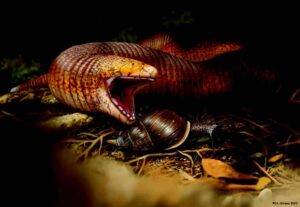
The newly discovered worm lizard species is the largest in the world. Presumably, the animals fed mainly on snails 50 million years ago. Credit: Jaime Chirinos

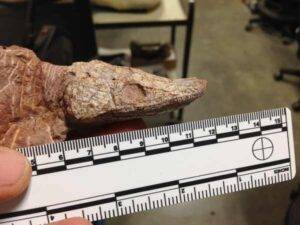
An international team of researchers has discovered a new fossil worm lizard species in Tunisia. Terastiodontosaurus marcelosanchezi is the largest known species of the Amphisbaenia group, with a skull length of over five centimeters.

The work is published in the Zoological Journal of the Linnean Society.

Unlike today’s predominantly subterranean worm lizards, this species may also have been a surface dweller. The fossil shows extreme dental features, including strong jaws and a specialized tooth enamel, which indicate that it fed on snails—a diet that has persisted for over 56 million years.

The worm lizards (Amphisbaenia) are aptly named, since at first glance these scaly reptiles resemble a worm with a head at both ends. However, what recalls a creature from Greek mythology is actually an evolutionary trick: worm lizards can crawl both forwards and backwards with their blunt, rounded tail ends.

Among other things, they use their body shape, which is reminiscent of an earthworm, to wriggle through narrow passages in the ground that they dig themselves.

An international team led by Prof. Dr. Georgios L. Georgalis from the Institute of Systematics and Evolution of Animals at the Polish Academy of Sciences, Krakow, with researchers from the Senckenberg Research Institute and Natural History Museum in Frankfurt, the Institut des Sciences de l’Évolution de Montpellier, the Muséum national d’Histoire naturelle in Paris, and the National Office of Mines in Tunis, has now described a previously unknown fossil species from the group of worm lizards in a new study.

“Our discovery from Tunisia, with an estimated skull length exceeding five centimeters, is the largest known worm lizard species,” explains Georgalis. “All evidence indicates that the new species is related to the modern-day checkerboard worm lizard.”

Unlike the recent Amphisbaenia, which are adapted to a subterranean lifestyle, the new species Terastiodontosaurus marcelosanchezi was probably too large to live exclusively in burrows. The researchers therefore assume that the animal also spent a significant amount of time on the surface.

Co-author PD Dr. Krister Smith from the Senckenberg Research Institute and Natural History Museum Frankfurt adds, “If worm lizards could grow as large as snakes, then the new species would be comparable to the Titanoboa, which is up to 13 meters long—in other words, significantly larger than its closest relatives. We think that the unusual body size is related to the higher temperatures in this period of the Earth’s history.”

Using micro-computed tomography, the research team documented the particular anatomy of the new species, which dates back to the Eocene. The worm lizard is characterized by an extreme dental morphology—including a massive tooth in the upper jaw, flat molars, and a number of other features—which distinguishes it from all other Amphisbaenia.

“Visually, you can imagine the animal as a ‘sandworm’ from the ‘Dune’ science fiction novels and their movie adaptation. Based on the tooth structure and the unusually thick enamel, we can deduce that the animals had enormous muscle strength in their jaws,” explains Georgalis.

“We know that today’s checkerboard worm lizards like to eat snails by breaking open their shells. We can now assume that this lineage specialized in feeding on snails over 56 million years ago and could crack them open effortlessly with their powerful jaws. This feeding strategy is therefore extremely consistent—it has defied all environmental changes and accompanies the lineage to this day,” adds Smith.

Reference:
Georgios L Georgalis et al, The world’s largest worm lizard: a new giant trogonophid (Squamata: Amphisbaenia) with extreme dental adaptations from the Eocene of Chambi, Tunisia, Zoological Journal of the Linnean Society (2024). DOI: 10.1093/zoolinnean/zlae133

Note: The above post is reprinted from materials provided by Senckenberg Research Institute and Natural History Museum

The Parasaurolophus’ pipes: Modeling the dinosaur’s crest to study its sound

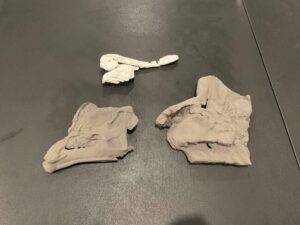
A 3D-printed model of the Parasaurolophus skulls at a 1:3 scale to the original fossil. The white model is the nasal passages inside the skull. Credit: Hongjun Lin

Fossils might give a good image of what dinosaurs looked like, but they can also teach scientists what they sounded like.

The Parasaurolophus is a duck-billed dinosaur with a unique crest that lived 70 million to 80 million years ago.

It stood around 16 feet tall and is estimated to have weighed 6,000 to 8,000 pounds.

Hongjun Lin from New York University will present results on the acoustic characteristics of a physical model of the Parasaurolophus’ crest Thursday, Nov.

21 as part of the virtual 187th Meeting of the Acoustical Society of America, running Nov.

18-22, 2024.

“I’ve been fascinated by giant animals ever since I was a kid. I’d spend hours reading books, watching movies, and imagining what it would be like if dinosaurs were still around today,” said Lin.

“It wasn’t until college that I realized the sounds we hear in movies and shows — while mesmerizing — are completely fabricated using sounds from modern animals. That’s when I decided to dive deeper and explore what dinosaurs might have actually sounded like.”

Lin created a physical setup made of tubes to represent a mathematical model that will allow researchers to discover what was happening acoustically inside the Parasaurolophus crest.

The physical model, inspired by resonance chambers, was suspended by cotton threads and excited by a small speaker, and a microphone was used to collect frequency data.

While it isn’t a perfect replication of the Parasaurolophus, the pipes — nicknamed the “Linophone,” after the researcher — will serve as a verification of the mathematical framework.

“I wanted something simplified and accessible for both modeling and building a physical device,” Lin explained.

Lin’s initial results indicate that the Parasaurolophus’ crest was used for resonance, similar to the crests of birds we see today.

The mathematical model is still in progress, but Lin hopes it will be useful for studying animals with similar vocal structures.

He is also planning to create an accessible plug-in for people to experiment with and even add dinosaur sounds to music.

“Once we have a working model, we’ll move toward using fossil scans,” Lin said. “My ultimate goal is to re-create the sound of the Parasaurolophus.”

Note: The above post is reprinted from materials provided by Acoustical Society of America.

Thanksgiving special: Dinosaur drumsticks and the story of the turkey trot

The new dinosaur is called Tralkasaurus, which means "thunder reptile" in the indigenous Mapuche language common in Patagonia. In this file photo, a boy in Melbourne, Australia inspects the teeth of a theropod dinosaur
Representative image

Wings may be the obvious choice when studying the connection between dinosaurs and birds, but a pair of Yale paleontologists prefer drumsticks. That part of the leg, they say, is where fibular reduction among some dinosaurs tens of millions of years ago helped make it possible for peacocks to strut, penguins to waddle, and turkeys to trot.

“A good way to understand this is to take a look at drumsticks, like the ones people eat on Thanksgiving,” said Armita Manafzadeh, lead author of a new study in Nature. She is a postdoctoral researcher affiliated with the Yale Institute for Biospheric Studies, the Department of Earth & Planetary Science, and the Yale Peabody Museum.

“Under the meat of a drumstick, you’ll find two bones — the tibia, which is long and thick, and the fibula, which is much shorter and thinner,” Manafzadeh explained. “This shortened fibula is what allows birds to twist and turn around when they’re not in flight. And to understand its evolutionary story, we have to look at dinosaurs.”

Yet the fibula had been largely overlooked by paleontologists and other scientists, often viewed as merely a small remnant of a once-larger physiological feature. The idea that the shortened fibula had a distinct evolutionary benefit was relatively unexplored.

“The fibula is, in general, the more diminutive of the two lower leg bones, and often neglected in the study of vertebrate form and function,” said Bhart-Anjan Bhullar, associate professor of Earth and planetary sciences in Yale’s Faculty of Arts and Sciences, associate curator at the Yale Peabody Museum, and co-author of the study. “But evolution acts on all parts of the body, great and small. Structures and regions that have been ignored are often gold mines for new insights and untold tales.”

For the study, the researchers used X-ray videos of a present-day bird — a helmeted guineafowl — to precisely measure the knee-joint poses of the bird. Using cutting-edge computer animation software, they combined the videos with 3D models to visualize how the bird’s bone surfaces fit together geometrically and how those joints appeared in motion.

They also collected X-ray videos from an iguana and an alligator and examined the shapes of leg bones in other birds, including a penguin, an ostrich, an owl, and a crane.

The researchers found that in birds, the tibial joint surfaces have curved arcs, and the shortened fibula is able to roll within the bird’s drumstick for about its length relative to the tibia. Taken together, these features enable the knee bones to maintain smooth contact, even when the joint twists by more than 100 degrees.

“You can see that the fibula of birds is moving completely differently from that of other living reptiles,” Manafzadeh said. “It’s why their knees are uniquely able to spin, allowing them to navigate their world more effectively. They use that mobility to turn and maneuver on the ground, but we suspect they’re also using it in mating displays, prey gathering, and moving about tree branches.”

Next, the researchers searched for the evolutionary origins of the shortened fibula in birds — and found their answer in certain species of dinosaurs.

While many dinosaurs, including Tyrannosaurus rex, had straightened tibial surfaces and stiffened drumsticks that only allowed for hinge-like knees, certain avian ancestors, including Rahonavis ostromi and Ichthyornis dispar, showed indications of curved tibial surfaces and a shortened, thinner fibula that was free to move on its own.

“We found that the very features that appeared in early dinosaurs to stiffen the leg ended up being co-opted in birds and their close relatives to mobilize the knee joint in a unique and extreme way,” Bhullar said. “Over and again, we see that evolution operates by repurposing existing structures and functions, often in surprising and unpredictable ways.”

The researchers said several well-known Yale Peabody Museum fossils were pivotal in the work, including Allosaurus, the giant Jurassic predator discovered by O.C. Marsh (which had a stiffened dinosaurian knee); Deinonychus, the “velociraptor” of the “Jurassic Park” films (which had an early form of the birdlike knee joint); and Ichthyornis, whose proto-beak was the subject of an earlier study by Bhullar (and which had a fully modern, avian knee).

The new study is part of Bhullar and Manafzadeh’s ongoing research into the evolution of animal motion, based on their novel method for visualizing how ancient animals moved by comparing their joints with those of modern animals.

Reference:
Armita R. Manafzadeh, Stephen M. Gatesy, John A. Nyakatura, Bhart-Anjan S. Bhullar. Fibular reduction and the evolution of theropod locomotion. Nature, 2024; DOI: 10.1038/s41586-024-08251-w

Note: The above post is reprinted from materials provided by Yale University. Original written by Jim Shelton.

Sliding seeds can provide insight into devastating landslides and rock avalanches

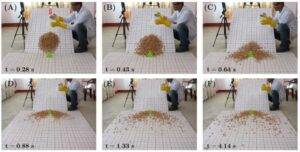
Sliding Champatis, the seeds of the Lapsi tree, can provide insight into devastating landslides and rock avalanches. Credit: Pudasaini et al.

Champatis, the seeds of the Lapsi tree, are valued in Nepal for their medical, economic, social, and cultural significance. They are also popular among children as simple playthings. But for a group of physicists, these unique seeds — and the way they bounce and roll down slopes — could help them better understand landslides and avalanches, leading to research that could save lives.

In a study published this week in Physics of Fluids, by AIP Publishing, a team at the Technical University of Munich, the Kathmandu Institute of Complex Flows, and Tribhuvan University studied how Champatis roll and bounce down inclines.

They suggested these seeds could serve as an analogue in the study of geological flow, particularly in a region prone to landslides and avalanches.

The Champati has a very complex structure. The wide head and narrow oval tail create a slope for each grain, leading to spin and rolling motion when sliding down slopes.

This creates interesting dynamics that drew the attention of the research team.

“We are primarily interested in the scientific question of the dynamics and deposition of Champati slide: how it flows, where it goes, how far, and with what force,” said author Shiva Pudasaini from Kathmandu.

The authors released a heap of the seeds down an inclined plane while a camera recorded their descent to analyze their speed and the dynamics of their movement.

The unique physical and geometrical properties of the supergrain led to previously unobserved dynamics as they slid down slopes.

The team’s findings showed a unique property: The grains start to spread out slowly, then decrease quickly as they move downstream, akin to rock avalanches.

“Soon after the mass hits the ground, the behavior is unprecedented and appears to be highly unpredictable,” Pudasaini said.

This research may provide valuable insights into geological flows, including hyperspreading of rock avalanches, and could contribute to resolving challenges in this area.

Additionally, findings may have significant implications for industrial process engineering.

Currently, the advanced mechanical, geotechnical, and imaging technologies needed for further study of the Champati seeds are not fully available in Kathmandu.

To address this, the research team is expanding their measurement facilities and collaborating with well-equipped research institutions abroad.

However, while the initial results offer promising insights into fragmented rock avalanches, further investigation into the structural, mechanical, and dynamic properties of these grains is essential to fully understand their relevance to earth science and engineering.

Reference:
Shiva P. Pudasaini, Bekha R. Dangol, Chet N. Tiwari, Jeevan Kafle, Puskar R. Pokhrel, Parameshwari Kattel. The Champati Slide. Physics of Fluids, 2024; 36 (11) DOI: 10.1063/5.0230878

Note: The above post is reprinted from materials provided by American Institute of Physics

How 70% of the Mediterranean Sea was lost 5.5 million years ago

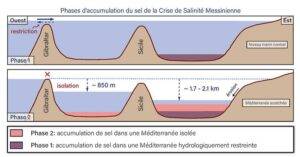
The two accumulation phases of the Mediterranean salt layer during the Messinian Salinity Crisis. In the first phase, salt accumulated in a Mediterranean Basin filled with brine; in the second phase, salt accumulated in a Mediterranean completely isolated from the Atlantic Ocean, as a result of the significant drop in sea level in the western and eastern Mediterranean sub-basins. © Giovanni Aloisi

Mediterranean Sea dropped during the Messinian Salinity Crisis — a major geological event that transformed the Mediterranean into a gigantic salt basin between 5.97 and 5.33 million years ago.

Until now, the process by which a million cubic kilometres of salt accumulated in the Mediterranean basin over such a short period of time remained unknown.

Thanks to analysis of the chlorine isotopes contained in salt extracted from the Mediterranean seabed, scientists have been able to identify the two phases of this extreme evaporation event.

During the first phase, lasting approximately 35 thousand years, salt deposition occurred only in the eastern Mediterranean, triggered by the restriction of Mediterranean outflow to the Atlantic, in an otherwise brine-filled Mediterranean basin.

During the second phase, salt accumulation occurred across the entire Mediterranean, driven by a rapid (< 10 thousand years) evaporative drawdown event during which sea-level dropped 1.7-2.1 km and ~0.85 km in the eastern and western Mediterranean, respectively.

As a result, the Mediterranean Basin lost up to 70% of its water volume.

This spectacular fall in sea level is thought to have had consequences for both terrestrial fauna and the Mediterranean landscape — triggering localised volcanic eruptions due to unloading of Earth’s crust, as well as generating global climatic effects due to the huge depression caused by the sea-level drawdown.

These results, published in Nature Communications on November 18, provide a better understanding of past extreme geological phenomena, the evolution of the Mediterranean region and successive global repercussions.

This work was supported by the European Union and the CNRS.

Notes :

  1. From the French research institute Institut de physique du globe de Paris (CNRS/Université Paris Cité/Institut de physique du globe de Paris).
  2. This exceptional event covered the floor of the Mediterranean Sea with a layer of salt up to 3 km thick. Understanding the causes, consequences and environmental changes undergone by the Mediterranean region in response to the Messinian Salinity Crisis is a challenge that has mobilised the scientific community for decades.
  3. Analysis of the two stable chlorine isotopes (³⁷Cl and ³⁵Cl) made it possible to estimate the rate of salt accumulation and detect the drop in sea level.

Reference:
G. Aloisi, J. Moneron, L. Guibourdenche, A. Camerlenghi, I. Gavrieli, G. Bardoux, P. Agrinier, R. Ebner, Z. Gvirtzman. Chlorine isotopes constrain a major drawdown of the Mediterranean Sea during the Messinian Salinity Crisis. Nature Communications, 2024; 15 (1) DOI: 10.1038/s41467-024-53781-6

Note: The above post is reprinted from materials provided by CNRS.

New research explores volcanic caves, advancing the search for life on Mars

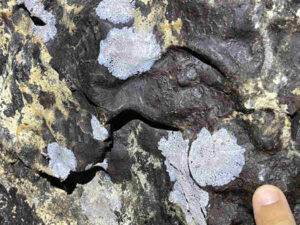
White microbial-like colonies on the lava tube substrate.

Through the intricate study of lava tubes — caves formed following volcanic eruptions when lava cools down — an international team of researchers has uncovered clues about Earth’s ancient environments that could be significant in the search for life on Mars.

Bogdan P. Onac, professor in the USF School of Geosciences, collaborated with researchers from Portugal, Spain and Italy to shed light on how lava tubes may serve as valuable analogs for Martian caves and the search for extraterrestrial life.

On the Spanish island of Lanzarote, just west of North Africa, the team explored six lava tubes to gather mineral deposits.

Some of the tubes are so large, they are used to host underground concerts.

“While the lava tubes on Lanzarote were discovered several years ago, we are the first to complete such a detailed study of minerals and microorganisms,” Onac said.

In the study, published in Communications Earth & Environment, Onac and the team used a range of advanced molecular, isotopic and mineralogical techniques to examine the deposits and create a comprehensive understanding of the minerals they held.

They learned the volcanic rock in the lava tubes created a protective environment that helped shield the minerals and organic compounds from weathering, ultimately preserving the minerals as records of past ecosystems.

The team found preserved biosignatures, including calcium and sodium sulfates.

This discovery indicates microbial activity and microorganisms, such as bacteria, were once active in the caves.

“This study adds to our understanding of geological and environmental changes on Earth and highlights lava tubes as potential refuges for microbial life, holding significant implications for astrobiology, particularly in identifying biosignatures on Mars and other celestial bodies,” Onac said.

Given that Martian lava tubes are similarly shielded and likely contain sulfate-rich minerals, they may also hold signs of past microbial life, giving us clues about potential life beyond Earth.

The findings may significantly impact the way scientists approach planetary exploration, particularly for upcoming missions aimed at studying the habitability of Mars.

The team will publish several additional studies on these lava tubes in the coming months and they are also planning to examine newly formed lava tubes in Iceland.

Reference:
Vera Palma, José María De la Rosa, Bogdan Petroniu Onac, Francesco Sauro, Jesús Martínez-Frías, Ana Teresa Caldeira, José Antonio González-Pérez, Nicasio Tomás Jiménez-Morillo, Ana Zélia Miller. Decoding organic compounds in lava tube sulfates to understand potential biomarkers in the Martian subsurface. Communications Earth & Environment, 2024; 5 (1) DOI: 10.1038/s43247-024-01673-4

Note: The above post is reprinted from materials provided by University of South Florida. Original written by Cassidy Delamarter.

Scientists compile library for evaluating exoplanet water

A polarized microscope photo of basaltic rock. Credit: Esteban Gazel Lab/Provided

By probing chemical processes observed in the Earth’s hot mantle, Cornell scientists have started developing a library of basalt-based spectral signatures that not only will help reveal the composition of planets outside of our solar system but could demonstrate evidence of water on those exoplanets.

“When the Earth’s mantle melts, it produces basalts,” said Esteban Gazel, professor of engineering. Basalt, a gray-black volcanic rock found throughout the solar system, are key recorders of geologic history, he said.

“When the Martian mantle melted, it also produced basalts. The moon is mostly basaltic,” he said. “We’re testing basaltic materials here on Earth to eventually elucidate the composition of exoplanets through the James Webb Space Telescope data.”

Gazel and Emily First, a former Cornell postdoctoral researcher and now an assistant professor at Macalester College in Minnesota, are authors of “Mid-infrared Spectra for Basaltic Rocky Exoplanets,” on November 14 in Nature Astronomy.

Understanding how minerals record the processes that created these rocks, and their spectroscopic signatures is the first step in developing their library, Gazel said.

“We know that the majority of exoplanets will produce basalts, given that their host star metallicity will result in mantle minerals (iron-magnesium silicates) so that when they melt, phase equilibria (equilibrium between two states of matter) predicts that the resulting lavas will be basaltic,” Gazel said. “It will be prevalent not only in our solar system, but throughout the galaxy, too.”

First measured the emissivity — the extent to which a surface radiates the energy it encounters — of 15 basaltic samples for spectral signatures of what the space telescope’s mid-infrared spectrometer may detect.

Once basaltic melts erupt on an exoplanet and cool down, the basalts harden into solid rock, known on Earth as lava. This rock can interact with water, if present, which forms new hydrated minerals easy to spot in the infrared spectra. These altered minerals could become amphibole (a hydrous silicate) or serpentine (another hydrous silicate, which looks like a snake’s skin).

By examining small spectral differences between the basalt samples, scientists can in theory determine whether an exoplanet once had running surface water or water in its interior, said Gazel.

Proof of water does not emerge instantly, and further work is needed before this type of detection can be employed. It would take the James Webb Space Telescope (JWST) — about 1 million miles from Earth — dozens to hundreds of hours to focus on one system light-years away, then more time to analyze the data.

The research group — in looking for a rocky exoplanet to simulate its hypotheses and consider the 15 different signatures — used data from the super Earth exoplanet LHS 3844b, which orbits a red dwarf a little more than 48 light-years away.

Ishan Mishra, working in the laboratory of Nikole Lewis, associate professor of astronomy, wrote computer code modeling First’s spectral data to simulate how differing exoplanet surfaces might appear to the JWST.

Lewis said that modeling tools were first used for other applications. “Ishan’s coding tools were used originally for studying icy moons in the solar system,” she said. “We are now finally trying to translate what we’ve learned of the solar system into exoplanets.”

“The goal was not to assess planet LHS 3844b specifically,” First said, “but rather to consider a plausible range of basaltic rocky exoplanets that could be observed by JWST and other observatories in the coming years.”

In terms of exoplanets, the researchers said exploration of rocky surfaces has been mostly limited to single data points — finding evidence of only type of chemical — in the scientific literature, but that is changing to multiple components as observers make use of the JWST.

By trying to tease out signatures related to mineralogy and bulk chemical composition — for example, how much silicon, aluminum and magnesium are in a rock — the geologists can tell a little more about the conditions under which the rock formed, the geologists said.

“On Earth, if you have basaltic rocks erupting from mid-ocean ridges deep on the ocean floor, versus those erupting at ocean islands like Hawaii,” First said, “you will notice some differences in the bulk chemistry. But even rocks of similar bulk chemistry can contain different minerals, so these are both important characteristics to examine.”

In addition to First, Gazel, Lewis and Mishra, co-authors are Jonathan Letai ’23, Northeastern University; and physicist Leonard Hanssen, Ph.D. ’85, recently retired from the National Institute of Standards and Technology.

Lewis is a faculty fellow in Cornell’s Carl Sagan Institute.

The National Science Foundation, the National Institute of Standards and Technology and the Heising-Simons Foundation/51 Pegasi b Fellowship supported this research.

Reference:
Emily C. First, Ishan Mishra, Esteban Gazel, Nikole K. Lewis, Jonathan Letai, Leonard Hanssen. Potential for observing geological diversity from mid-infrared spectra of rocky exoplanets. Nature Astronomy, 2024; DOI: 10.1038/s41550-024-02412-7

Note: The above post is reprinted from materials provided by Cornell University. Original written by Blaine Friedlander, Cornell Chronicle.

Bird brain from the age of dinosaurs reveals roots of avian intelligence

Artist’s impression of Navaornis. Credit: Júlia D’Oliveira

A ‘one of a kind’ fossil discovery could transform our understanding of how the unique brains and intelligence of modern birds evolved, one of the most enduring mysteries of vertebrate evolution.

Researchers have identified a remarkably well-preserved fossil bird, roughly the size of a starling, from the Mesozoic Era. The complete skull has been preserved almost intact: a rarity for any fossil bird, but particularly for one so ancient, making this one of the most significant finds of its kind.

The extraordinary three-dimensional preservation of the skull allowed the researchers, led by the University of Cambridge and the Natural History Museum of Los Angeles County, to digitally reconstruct the brain of the bird, which they have named Navaornis hestiae. Navaornis lived approximately 80 million years ago in what is now Brazil, before the mass extinction event that killed all non-avian dinosaurs.

The researchers say their discovery, reported in the journal Nature, could be a sort of ‘Rosetta Stone’ for determining the evolutionary origins of the modern avian brain. The fossil fills a 70-million-year gap in our understanding of how the brains of birds evolved: between the 150-million-year-old Archaeopteryx, the earliest known bird-like dinosaur, and birds living today.

Navaornis had a larger cerebrum than Archaeopteryx, suggesting it had more advanced cognitive capabilities than the earliest bird-like dinosaurs. However, most areas of its brain, like the cerebellum, were less developed, suggesting that it hadn’t yet evolved the complex flight control mechanisms of modern birds.

“The brain structure of Navaornis is almost exactly intermediate between Archaeopteryx and modern birds — it was one of these moments in which the missing piece fits absolutely perfectly,” said co-lead author Dr Guillermo Navalón from Cambridge’s Department of Earth Sciences.

Navaornis is named after William Nava, director of the Museu de Paleontologia de Marília in Brazil’s São Paolo State, who discovered the fossil in 2016 at a site in the neighbouring locality of Presidente Prudente. Tens of millions of years ago, this site was likely a dry area with slow-flowing creeks, which enabled the fossil’s exquisite preservation. This preservation allowed the researchers to use advanced micro-CT scanning technology to reconstruct the bird’s skull and brain in remarkable detail.

“This fossil is truly so one-of-a-kind that I was awestruck from the moment I first saw it to the moment I finished assembling all the skull bones and the brain, which lets us fully appreciate the anatomy of this early bird,” said Navalón.

“Modern birds have some of the most advanced cognitive capabilities in the animal kingdom, comparable only with mammals,” said Professor Daniel Field from Cambridge’s Department of Earth Sciences, senior author of the research. “But scientists have struggled to understand how and when the unique brains and remarkable intelligence of birds evolved — the field has been awaiting the discovery of a fossil exactly like this one.”

Before this discovery, knowledge of the evolutionary transition between the brains of Archaeopteryx and modern birds was practically non-existent. “This represents nearly 70 million years of avian evolution in which all the major lineages of Mesozoic birds originated — including the first representatives of the birds that live today,” said Navalón. “Navaornis sits right in the middle of this 70-million-year gap and informs us about what happened between these two evolutionary points.”

While the skull of Navaornis somewhat resembles that of a small pigeon at first glance, closer inspection reveals that it is not a modern bird at all but instead a member of a group of early birds named enantiornithines, or the ‘opposite birds.’

‘Opposite birds’ diverged from modern birds more than 130 million years ago, but had complex feathers and were likely competent flyers like modern birds. However, the brain anatomy of Navaornis poses a new question: how did opposite birds control their flight without the full suite of brain features observed in living birds, including an expanded cerebellum, which is a living bird’s spatial control centre?

“This fossil represents a species at the midpoint along the evolutionary journey of bird cognition,” said Field, who is also the Strickland Curator of Ornithology at Cambridge’s Museum of Zoology. “Its cognitive abilities may have given Navaornis an advantage when it came to finding food or shelter, and it may have been capable of elaborate mating displays or other complex social behaviour.”

“This discovery shows that some of the birds flying over the heads of dinosaurs already had a fully modern skull geometry more than 80 million years ago,” said co-lead author Dr Luis Chiappe from the Natural History Museum of Los Angeles County.

While Navaornis is one of the best-preserved bird fossils ever found from the Mesozoic Era, the researchers believe many more finds from the Brazilian site where it was found could offer further insights into bird evolution.

“This might be just one fossil, but it’s a key piece in the puzzle of bird brain evolution,” said Field. “With Navaornis, we’ve got a clearer view of the evolutionary changes that occurred between Archaeopteryx and today’s intelligent, behaviourally complex birds like crows and parrots.”

While the discovery is a significant breakthrough, the researchers say it is only the first step in understanding the evolution of bird intelligence. Future studies may reveal how Navaornis interacted with its environment, helping to answer broader questions about the evolution of bird cognition over time.

Navaornis is the most recent in a quartet of Mesozoic fossil birds described by Field’s research group since 2018, joining Ichthyornis, Asteriornis (the ‘Wonderchicken’), and Janavis. The group’s work on new fossil discoveries combined with advanced visualisation and analytical techniques have revealed fundamental insights into the origins of birds, the most diverse group of living vertebrate animals.

The research was supported in part by UK Research and Innovation (UKRI). Daniel Field is a Fellow of Christ’s College, Cambridge.

Reference:
Luis M. Chiappe, Guillermo Navalón, Agustín G. Martinelli, Ismar de Souza Carvalho, Rodrigo Miloni Santucci, Yun-Hsin Wu, Daniel J. Field. Cretaceous bird from Brazil informs the evolution of the avian skull and brain. Nature, 2024; DOI: 10.1038/s41586-024-08114-4

Note: The above post is reprinted from materials provided by University of Cambridge. Original written by Sarah Collins. The original text of this story is licensed under a Creative Commons License.

MOST POPULAR

MORE ARTICLES