
Home Blog Page 100

Rare dinosaur discovery in Egypt could signal more finds

Mansourasaurus, New Egyptian dinosaur

A skeleton has been unearthed in Egypt’s Western Desert, whose ancient sands have long helped preserve remains, but unlike most finds this one isn’t a mummy—it’s a dinosaur.

Researchers from Mansoura University in the country’s Nile Delta discovered the new species of long-necked herbivore, which is around the size of a city bus, and it could be just the tip of the sand dune for other desert dinosaur discoveries.

“As in any ecosystem, if we went to the jungle we’ll find a lion and a giraffe. So we found the giraffe, where’s the lion?” said Hesham Sallam, leader of the excavation team and head of the university’s Center for Vertebrate Paleontology.

Sallam, along with four Egyptian and five American researchers, authored an article in the journal Nature Ecology & Evolution published Jan. 29 announcing the discovery.

Experts say the find is a landmark one that could shed light on a particularly obscure period of history for the African continent, roughly the 30 million years before dinosaurs went extinct, between 70 and 80 million years ago.

Named “Mansourasaurus Shahinae” after the team’s university and for one of the paleontology department’s founders, the find is the only dinosaur from that period to have been discovered in Africa, and it may even be an undiscovered genus.

In the article the authors say the team’s findings “counter hypotheses that dinosaur faunas of the African mainland were completely isolated” during the late Mesozoic period. That is, previous theories were that Africa’s dinosaurs during that time existed as if on an island and developed independently from their northern cousins.

But Mansourasaurus’ fossilized skeletal remains suggest an anatomy not very different from those discovered in Europe from the same period, an indication that a land connection between Africa and its northern neighbor may have existed.

While Egypt has a long history of archaeology, paleontology has not enjoyed the same popularity—or had the same success.

In 1911, the German paleontologist Ernst Stromer led an exhibition to the oasis of Bahriya, also in Egypt’s Western Desert. There, he discovered four species of dinosaurs, including a predatory type known as the Spinosaurus, all from the Cretaceous period. But all of his findings were later lost in Allied bombing of the Munich Museum during World War II.

Sallam said researchers don’t know how Mansourasaurus lived and died, except for the fact that it was a plant eater. There’s no indication whether it lived alone or in a herd.

The bones do bear resemblance to another dinosaur discovery in Egypt, that of the Paralititan Stromeri, excavated by an American team from the University of Pennsylvania, whose findings were published in 2001. But only in so much as both were long-necked herbivores grazers. The Paralititan Stromeri is believed to have been among the largest known animals, weighing in at 75 tons and over 30 meters (33 yards) long.

The Mansourasaurus’ smaller size is more typical of the Mesozoic era, when dinosaurs’ time was running out, geologically speaking, according to Sallam. With a long neck and tail, his torso would’ve been similar to that of an African elephant and measuring tip-to-tale over 10 meters (11 yards) and weighing several tons.

Egypt’s Western Desert would have more closely resembled a coastal jungle during the dinosaur’s lifetime, with half of what is the country today under water.

Though finding a dinosaur bone in a vast desert may seem akin to a needle in a haystack, it was also the product of back-breaking work. The team had been scouring the area of the find more than 750 kilometers (466 miles) southwest of the capital for five years before they found the partial skeleton of the Mansourasaurus in 2013.

Sallam said he and a group of doctoral and master’s degree students were heading to give a lecture at a local university when they stumbled on a desert road with the appropriate geological outcroppings that they hadn’t noticed before. The next morning, the team returned to survey it, covering an area of several kilometers. It wasn’t long after they started that one of the students called him on the phone, saying that he should come see the number of bones she’d found.

Sallam said he knew from the first small piece of fossil he was shown that it was a big deal.

“When I first saw it I told them, if this comes out as I expect, your names will go down in history,” he told his students.

There is now some hope the discovery could bring more funding for the paleontology field in Egypt and financing for ongoing studies, Sallam said. But he said he’s most proud of making science real for people who otherwise aren’t exposed to it as much.

“I mean, we’ve made the average Egyptian man, or the Arab man, talk about dinosaurs,” he said.

Reference:
Hesham M. Sallam et al. New Egyptian sauropod reveals Late Cretaceous dinosaur dispersal between Europe and Africa, Nature Ecology & Evolution (2018). DOI: 10.1038/s41559-017-0455-5

Note: The above post is reprinted from materials provided by The Associated Press.

Dinosaurs were ‘too successful for their own good’

Exhibit Museum Replica Urtier Prehistoric Times

The migration of the dinosaurs across the globe was so rapid that it may have contributed to their demise, new research has found.

A study by University of Reading scientists for the first time reveals the paths taken by the dinosaurs as they expanded out of South America during their rise to world dominance. The research shows that the speed of this expansion meant that the dinosaurs quickly became cosmopolitan and subsequently ran out of land. This lack of space then seriously impeded their ability to produce new species.

The work, published in Nature Ecology and Evolution, links to a previous Reading study that revealed the dinosaurs were in decline as a species 50 million years before the asteroid strike that finally wiped them out.

Ciara O’Donovan, evolutionary biologist at the University of Reading and lead author of the study, said: “Fossil evidence has shown us where the dinosaurs started out and where they died, but there is an important middle period that little was known about. Our research fills this gap in prehistory by revealing how the dinosaurs spread, how fast they moved and what directions they moved in through time.

“The dinosaurs exploded out of South America in a frenzy of movement to cover the planet. It was during this time that diverse forms evolved and eventually led to species such as the fearsome Tyrannosaurus rex, Archaeopteryx (the earliest bird) and the gigantic, long necked Diplodocus. This honeymoon period could not last forever though, and the dinosaurs eventually filled every available habitat on Earth.

“There was nowhere new for species to move to, which may have prevented new species from arising, contributing to the dinosaurs’ pre-asteroid decline. In essence, they were perhaps too successful for their own good.”

‘BLANK CANVAS’

Fossil evidence shows dinosaurs originated in the late Triassic Period (around 230 million years ago) in South America, which was then part of the huge land mass called Pangea. This closely followed the world’s largest extinction event that wiped out almost all of life on Earth.

The scientists developed a novel, statistical method to uncover where every dinosaur species’ ancestors existed, in three dimensional space, on the globe. By doing this they were able to demonstrate that the dinosaurs spread unchecked across the huge available space, at a rate of 1,000km/million years. They dominated every terrestrial habitat, across all the continents as they drifted apart, over the course of 170 million years.

This saturation of the Earth caused the dinosaurs to become increasingly specialised to live in their existing environment, resulting in a fundamental change in the way they evolved and produced new species. This curbed their progress and left them vulnerable to future changes in the environment, such as those caused by the asteroid strike.

Dr. Chris Venditti, evolutionary biologist at the University of Reading and co-author of the paper, said: “Early dinosaurs had a blank canvas and spread quickly across the devastated Earth, taking up every opportunity in their path. Virtually every door was open to them as there was no competition from other species.

“The inability of the dinosaurs to adapt rapidly enough as the Earth became full may explain why they were in decline prior to the asteroid strike, and why they were so susceptible to almost total extinction when it hit.”

Reference:
Ciara O’Donovan et al. Dinosaurs reveal the geographical signature of an evolutionary radiation, Nature Ecology & Evolution (2018). DOI: 10.1038/s41559-017-0454-6

Note: The above post is reprinted from materials provided by University of Reading.

Did surface life evolve on Mars? scientist makes key discoveries in the search for life on Mars

Diverse mineralogy exhumed from the Martian subsurface: A false color image from the HiRISE instrument aboard NASA's Mars Reconnaissance Orbiter shows amazing diversity of rocks exhumed from the Martian subsurface a meteor impact in the Nili Fossae area.
Diverse mineralogy exhumed from the Martian subsurface: A false color image from the HiRISE instrument aboard NASA’s Mars Reconnaissance Orbiter shows amazing diversity of rocks exhumed from the Martian subsurface a meteor impact in the Nili Fossae area. The image is 1 km across. This site and others like it contain rocks that were altered by fluids in the Martian crust billions of years ago, at the time when life first emerged on Earth. These rocks represent exploration targets that could teach us about the origin of life. Credit: NASA/JPL/University of Arizona

The planet Mars has long drawn interest from scientists and non-scientists as a possible place to search for evidence of life beyond Earth because the surface contains numerous familiar features such as dried river channels and dried lake beds that hint at a warmer, wetter, more earthlike climate in the past. However, Dr Joseph Michalski of the Department of Earth Sciences & Laboratory for Space Research at The University of Hong Kong (HKU) and his colleagues have published papers recently that cast increased doubt on the idea of surface life evolving on Mars. These paradigm changing publications have recently been published in Nature Geoscience (December 2017) and Nature Astronomy (February 2018).

For the last 2.5 billion years, surface life on Earth has thrived largely due to the evolution of photosynthesis. Surface life is abundant and very successful because of the availability of sunlight, surface water, generally moderate climate conditions, and the protection of our magnetic field. But the planet Mars would have never experienced such habitable conditions at the surface. Michalski and colleagues published results in Nature Astronomy showing that the climate of Mars has probably been extremely cold and dry most of the time. They argue that the familiar aqueous features on Mars included widespread, weathered soil horizons, could have formed in geologically short climate “excursions.” In other words, Mars was cold and dry throughout its history and only had abundant liquid water at its surface during short episodes of climate change.

However, all hope for life on Mars is not lost. In another paper led by Michalski and published recently, the scientists point out that the prospects for surface life on Mars might be dim, but the possibilities for subsurface life are promising. Life on Earth likely began in hydrothermal systems (environments where hot water reacts with rocks), and there is abundant evidence for many locations where hydrothermal environments exists on Mars at the time when life might have originated in similar environments on Earth. They argue that, in order to understand how life formed on Earth, we should ignore the surface environments on Mars and focus exploration on hydrothermal deposits.

Dr. Michalski and his team in the Department of Earth Sciences and Laboratory for Space Research at HKU explore Mars using remote sensing and infrared spectroscopy. Using infrared data collected at Mars by spacecraft, they can interpret which minerals are there and describe the geology of ancient hydrothermal systems. This type of work is based on laboratory measurements, which provide the required mineralogical background in which to interpret spectroscopic data from Mars. The HKU’ Faculty of Sciences new Infrared Spectroscopy Laboratory is a facility where scientists from around the world can come to measure geological samples in order to compare the measured spectra to data from returned from spacecraft. Michalski and his team use infrared measurements of hydrothermal minerals as a basis to interpret the detection of important minerals on Mars.

“This is an extraordinarily exciting time in Mars exploration” said Michalski. “We are getting very close to being able to detect evidence of ancient life on Mars or, perhaps more importantly, the chemical building blocks on which life forms.”

“This cutting edge and ground-breaking HKU based research is both exciting and thought provoking. It speaks to the very heart of trying to understand how life may have evolved not just on Earth but on other terrestrial bodies both in our own solar system and indeed around other stars that have planets that lie in the so-called “habitable zone” (where liquid water can exist on the surface). The discovery of bacteria two miles down in a Goldmine in South Africa a decade ago chimes perfectly with the thesis Dr. Michalski is proposing here,” said Professor Quentin Parker, Director of Laboratory for Space Research and Associate Dean (Global) of Faculty of Science, The University of Hong Kong.

References:

  1. Joseph R. Michalski, Tullis C. Onstott, Stephen J. Mojzsis, John Mustard, Queenie H. S. Chan, Paul B. Niles, Sarah Stewart Johnson. The Martian subsurface as a potential window into the origin of life. Nature Geoscience, 2017; 11 (1): 21 DOI: 10.1038/s41561-017-0015-2
  2. Janice L. Bishop, Alberto G. Fairén, Joseph R. Michalski, Luis Gago-Duport, Leslie L. Baker, Michael A. Velbel, Christoph Gross, Elizabeth B. Rampe. Surface clay formation during short-term warmer and wetter conditions on a largely cold ancient Mars. Nature Astronomy, 2018; DOI: 10.1038/s41550-017-0377-9

Note: The above post is reprinted from materials provided by The University of Hong Kong.

When did flowers originate?

Passion Flower
Passion Flower

Flowering plants likely originated between 149 and 256 million years ago according to new UCL-led research.

The study, published today in New Phytologist by researchers from the UK and China, shows that flowering plants are neither as old as suggested by previous molecular studies, nor as young as a literal interpretation of their fossil record.

The findings underline the power of using complementary studies based on molecular data and the fossil record, along with different approaches to infer evolutionary timescales to establish a deeper understanding of evolutionary dynamics many millions of years ago.

“The discrepancy between estimates of flowering plant evolution from molecular data and fossil records has caused much debate. Even Darwin described the origin of this group as an ‘abominable mystery’,” explained lead author, Dr Jose Barba-Montoya (UCL Genetics, Evolution & Environment).

“To uncover the key to solving the mystery of when flowers originated, we carefully analysed the genetic make-up of flowering plants, and the rate at which mutations accumulate in their genomes.”

Through the lens of the fossil record, flowering plants appear to have diversified suddenly, precipitating a Cretaceous Terrestrial Revolution in which pollinators, herbivores and predators underwent explosive co-evolution.

Molecular-clock dating studies, however, have suggested a much older origin for flowering plants, implying a cryptic evolution of flowers that is not documented in the fossil record.

“In large part, the discrepancy between these two approaches is an artefact of false precision on both palaeontological and molecular evolutionary timescales,” said Professor Philip Donoghue from the University of Bristol’s School of Earth Science, and a senior author of the study.

Palaeontological timescales calibrate the family tree of plants to geological time based on the oldest fossil evidence for its component branches. Molecular timescales build on this approach, using additional evidence from genomes for the genetic distances between species, aiming to overcome gaps in the fossil record.

“Previous studies into molecular timescales failed to explore the implications of experimental variables and so they inaccurately estimate the probable age of flowering plants with undue precision,” said Professor Ziheng Yang (UCL Genetics, Evolution & Environment) and senior author of the study.

“Similarly, interpretations of the fossil record have not fully recognised its shortcomings as an archive of evolutionary history, that is, that the oldest fossil evidence of flowering plants comes from very advanced, not primitive flowering plant lineages,” Professor Donoghue added.

The researchers compiled a large collection of genetic data for many flowering plant groups including a dataset of 83 genes from 644 taxa, together with a comprehensive set of fossil evidence to address the timescale of flowering plant diversification.

“By using Bayesian statistical methods that borrow tools from physics and mathematics to model how the evolutionary rate changes with time, we showed that there are broad uncertainties in the estimates of flowering plant age, all compatible with early to mid-Cretaceous origin for the group,” said Dr Mario dos Reis (School of Biological and Chemical Sciences at Queen Mary University of London), a co-author of the study.

Reference:
Jose Barba-Montoya, Mario dos Reis, Harald Schneider, Philip C. J. Donoghue, Ziheng Yang. Constraining uncertainty in the timescale of angiosperm evolution and the veracity of a Cretaceous Terrestrial Revolution. New Phytologist, 2018; DOI: 10.1111/nph.15011

Note: The above post is reprinted from materials provided by University College London.

Why Minerals Are Colored?

Minerals
Minerals. Credit: Amazon.com

One of the most important physical properties of minerals, reflecting the nature of the interaction of the electromagnetic radiation of the visible region with the electrons of the atoms, molecules, and ions of the crystals and with the electron system of the crystal as a whole. In mineralogy, color is one of the primary diagnostic properties of natural compounds, of great importance in geological prospecting for the identification of minerals. The color of gems and semiprecious stones is one of their main qualitative (gem) characteristics. A distinction is made between the color of minerals in individual crystals and lumps of ore, the color of minerals in transparent thin sections (under the microscope), the color of minerals in polished sections (in reflected light), and the color of a mineral’s streak (the color of the fine powder of the mineral).

A comparative evaluation is usually used in describing the color of minerals; the mineral’s color is compared to the color of some commonly known object or substance (indigo blue, apple green, lemon yellow, and blood red) or to mineral “color standards,” such as vermilion red and emerald green. The colors of metals or alloys are used as standards for describing the color of ore minerals: tin white (arsenopyrite), steel gray (molybdenite), brass yellow (chalcopyrite), and copper red (native copper). Methods are being developed for an objective evaluation of the color of minerals, especially of gems, using standard colorimetric characteristics. Many minerals have the property of exhibiting different colors in different crystallographic directions, especially in polarized light, or changing their color with the color temperature of the radiative source illuminating them.

Three main groups of minerals are identified on the basis of the property of color: idiochromatic, allochromatic, and pseudochro-matic. In idiochromatic minerals the color is due to the characteristics of the constituent chemical elements (the species-forming elements or impurities that act as chromophores), the nature of the crystal’s electron structure, more specifically the zonal structure, and the presence of defects in the crystals, for example, vacancies and interstitial atoms. Several subgroups of idiochromatic minerals are distinguished according to the type of optical absorption.

The color of metallic and covalent compounds, such as native metals and sulfides and their analogs, is due to interzonal optical transfers of electrons and the related maximums of reflection (for example, the metallic colors of pyrite and gold) or is due to the fundamental absorption band (cinnabar, orpiment, cuprite).

In another type of idiochromatic mineral, the color is due to electron transfers between different ions, namely, charge transfers. This includes the transfer between a metal ion and ligands and the transfer between differently charged metal ions. Examples are minerals of trivalent iron (the charge transfer O2 → Fe3+); the chromates, vanadates, and molybdates, such as crocoite, vanadinite, and wulfenite (the transfer O2 → Cr6+, V5+, Mo6+); and minerals that at the same time contain the differently charged ions Fe2+ and Fe3+, such as cordierite, vivianite, and aquamarine.

Color associated with ions of the transition metals — Ti, V, Cr, Mn, Fe, Co, Ni, and Cu — is typical of emerald, ruby, rubellite, rhodonite, chrysolite, and malachite. The lanthanides and actinides are chromophores of minerals of the rare-earth elements and uranyl. Their color is due to the transfers of electrons between the d- and f-levels of the chromophore ions.

Color caused by radioactivity is related to the formation of electron-hole color centers by the action of natural ionizing radiation, for example, the dark blue and purple color of halite and fluorite and the yellow and smoky color of quartz and calcite.

In allochromatic minerals the color is due to the presence of impurities, usually inclusions of colored minerals but occasionally bubbles of liquids or gases. For example, the reddish orange color of carnelian is caused by inclusions of iron hydroxides, while the green color of prase, a variety of quartz, is linked to inclusions of spicules of actinolite or chlorite.

In pseudochromatic minerals the color is due to the diffraction and interference of light, as well as to the dispersion, refraction, and total internal reflection of incident white light. These phenomena are related to the structural features of mineral formations (regular alternation of phases of different composition in iridescent labradorites and peristerites and in sunstone [aventurine feldspar] and moonstone; the globular structure of opals) or to the structure of the surface layer of crystals (various types of tarnish, such as the iridiscent film on bornite, chalcopyrite, pyrite, and covellite).

The study of the color of minerals provides information about the crystallochemical and genetic characteristics of minerals and is useful in the synthesis of high-quality analogs of natural gems.

Reference:
Marfunin, A. S. Vvedenie v fiziku mineralov. Moscow, 1974.
Platonov, A. N. Priroda okraski mineralov. Kiev, 1976.
A. N. PLATONOV and T. B. ZDORIK

Why does fluorite have different colors?

Rainbow Fluorite
Rainbow Fluorite

Fluorite (also called fluorspar) is the mineral form of calcium fluoride, CaF2. It belongs to the halide minerals. It crystallizes in isometric cubic habit, although octahedral and more complex isometric forms are not uncommon.

Mohs scale of mineral hardness, based on scratch Hardness comparison, defines value 4 as Fluorite.

Fluorite is a colorful mineral, both in visible and ultraviolet light, and the stone has ornamental and lapidary uses. Industrially, fluorite is used as a flux for smelting, and in the production of certain glasses and enamels. The purest grades of fluorite are a source of fluoride for hydrofluoric acid manufacture, which is the intermediate source of most fluorine-containing fine chemicals. Optically clear transparent fluorite lenses have low dispersion, so lenses made from it exhibit less chromatic aberration, making them valuable in microscopes and telescopes. Fluorite optics are also usable in the far-ultraviolet and mid-infrared ranges, where conventional glasses are too absorbent for use.

The many colors of fluorite are truly wonderful. The rich purple color is by far fluorite’s most famous and popular color. It easily competes with the beautiful purple of amethyst. Often specimens of fluorite and amethyst with similar shades of purple are used in mineral identification classes to illustrate the folly of using color as the sole means to identify minerals.

The blue, green and yellow varieties of fluorite are also deeply colored, popular and attractive. The colorless variety is not as well received as the colored varieties, but their rarity still makes them sought after by collectors. A brown variety found in Ohio and elsewhere has a distinctive iridescence that improves an otherwise poor color for fluorite. The rarer colors of pink, reddish orange (rose) and even black are usually very attractive and in demand.

Most specimens of fluorite have a single color, but a significant percentage of fluorites have multiple colors and the colors are arranged in bands or zones that correspond to the shapes of fluorite’s crystals. In other words, the typical habit of fluorite is a cube and the color zones are often in cubic arrangement. The effect is similar to phantomed crystals that appear to have crystals within crystals that are of differing colors. A fluorite crystal could have a clear outer zone allowing a cube of purple fluorite to be seen inside. Sometimes the less common habits such as a colored octahedron are seen inside of a colorless cube. One crystal of fluorite could potentially have four or five different color zones or bands.

To top it all off, fluorite is frequently fluorescent and, like its normal light colors, its fluorescent colors are extremely variable. Typically it fluoresces blue but other fluorescent colors include yellow, green, red, white and purple. Some specimens have the added effect of simultaniously having a different color under longwave UV light from its color under shortwave UV light. And some will even demonstrate phosphorescence in a third color! That’s four possible color luminescence in one specimen! If you count the normal light color too. The blue fluorescence has been attributed to the presence of europium ions (Eu +2). Yttrium is the activator for the yellow fluorescence. Green and red fluorescent activation is not exactly pinned down as of yet, but may be due to the elements already mentioned as well as other rare earth metals; also manganese, uranium or a combination of these. Even unbonded fluorine trapped in the structure has been suggested. The word fluorescent was derived from fluorite since specimens of fluorite were some of the first fluorescent specimens ever studied. The naming followed the naming precedence set by opalescence from opal; ergo fluorescence from fluorite.

Another unique luminescent property of fluorite is its thermoluminescence. Thermoluminescence is the ability to glow when heated. Not all fluorites do this, in fact it is quite a rare phenomenon. A variety of fluorite known as “chlorophane” can demonstrate this property very well and will even thermoluminesce while the specimen is held in a person’s hand activated by the person’s own body heat (of course in a dark room, as it is not bright enough to be seen in daylight). The thermoluminescence is green to blue-green and can be produced on the coils of a heater or electric stove top. Once seen, the glow will fade away and can no longer by seen in the same specimen again. It is a one shot deal. Chlorophane (which means to show green) is found in very limited quantities at Amelia Court House, Virginia; Franklin, New Jersey and the Bluebird Mine, Arizona, USA; Gilgit, Pakistan; Mont Saint-Hilaire, Quebec, Canada and at Nerchinsk in the Ural Mountains, Russia.

Fluorite has other qualities besides its great color assortments that make it a popular mineral. It has several different crystal habits that always produce well formed, good, clean crystals. The cube is by far the most recognized habit of fluorite followed by the octahedron which is believed to form at higher temperatures than the cube. Although the cleavage of fluorite can produce an octahedral shape and these cleaved octahedrons are popular in rock shops the world over, the natural (e.g. uncleaved) octahedrons are harder to find.

A rarer habit variety is the twelve sided dodecahedron however it is never seen by itself and usually modifies the cubic crystals by replacing the edges of the cube with one flat face of a dodecahedron. The tetrahexahedron is a twenty four sided habit that is also seen modifying the cubic habit. But instead of one face replacing each cubic edge, two faces modify the cube’s edges. Occasionally combinations of a cube, dodecahedron and tetrahexahedron are seen producing an overall cubic crystal with no less that three minor parallel faces replacing each cubic edge. A fifth form is the hexoctahedron which modifies the cube by placing six very minor faces at each corner of the cube. Twinning is also common in fluorite and symmetrical penetration twins, especially from Cumberland England are much sought after by collectors.

Fluorite, as mention above, has octahedral cleavage. This means that it has four identical directions of cleavage and when cleaved in the right ways can produce a perfect octahedral shape. Many thousands of octahedrons are produced from massive or large undesirable crystals of fluorite (hopefully!) and are sold in rock shops and museum gift shops at a small cost. Fluorite mine workers are reported to sit down at lunch breaks and cleave the octahedrons for the extra cash. The octahedrons are very popular due to their attractive colors, clarity, “diamond-shaped” and low costs, but to a serious collector they are nothing more than “cleavage fragments”.

Fluorite not only is attractive in its own right but is often associated with other attractive minerals. Fluorite crystals will frequently accompany specimens of silver gray galena, brassy yellow pyrite, chalcopyrite or marcasite, golden barite, black sparkling sphalerite, intricately crystallized calcite and crystal clear quartz, even amethyst.

The origin of the word fluorite comes from the use of fluorite as a flux in steel and aluminum processing. It was originally referred to as fluorospar by miners and is still called that today. Fluorite is also used as a source of fluorine for hydrofluoric acid and fluorinated water. The element fluorine also gets its name from fluorite, fluorines only common mineral. Other uses of fluorite include an uncommon use as a gemstone (low hardness and good cleavage reduce its desirability as a gemstone), ornamental carvings (sometimes misleadingly called Green Quartz) and special optical uses.

Fluorite is the most popular mineral for mineral collectors in the world, second only to quartz. Every mineral collection owned by even the newest and youngest of mineral collectors must have a specimen of fluorite. Fluorite is by far one of the most beautiful and interesting minerals available on the mineral markets.

Photos

Reference:
Fluorite – Mineral Gallery
Fluorite – Wikipedia

South Wales fossil identified as new species of ancient reptile

Clevosaurus cambrica
The jaw of the new species Clevosaurus cambrica, here shown as a 3D CT scan model, was adapted for chopping up small prey. Credit: University of Bristol

Fossils found in a quarry near Cardiff in South Wales have been identified by a student and her supervisors at the University of Bristol as a new small species of reptile that lived 205 million years ago.

It is named Clevosaurus cambrica, the second part being Latin and referring to the fact it comes from Wales.

The research was completed by Emily Keeble, an undergraduate in Bristol’s School of Earth Sciences, as part of her final-year project for her palaeontology degree.

The fossils she studied were collected in the 1950s in Pant-y-ffynnon Quarry, and they belong to a new species of the ‘Gloucester lizard’ Clevosaurus (named in 1939 after Clevum, the Latin name for Gloucester).

In the Late Triassic, the hills of South Wales and the South West of England formed an archipelago that was inhabited by small dinosaurs and relatives of the Tuatara, a reptilian living fossil from New Zealand.

The limestone quarries of the region have many caves or fissures containing sediments filled with the bones of abundant small reptile species that give us a unique insight into the animals that scuttled at the feet of the dinosaurs. The fissures are of worldwide importance in yielding such well-preserved small reptiles.

Emily said: “The new species, Clevosaurus cambrica lived side-by-side with a small dinosaur, Pantydraco, and an early crocodile-like animal, Terrestrisuchus. We compared it with other examples of Clevosaurus from locations around Bristol and South Gloucestershire, but our new beast is quite different in the arrangement of its teeth.”

Professor Mike Benton, Emily’s co-supervisor, added: “We were lucky to find quite a lot of the skeleton and Emily was able to scan the blocks and make 3-D reconstructions of the skull, neck, shoulder and arm region.”

Another co-supervisor, Dr. David Whiteside, said: “The teeth of Clevosaurus cambric were likely adapted to dice pieces of flesh, so we interpret this little critter as a predator, feeding on insects and other small animals.”

Pant-y-Fynnon Quarry, near Ogmore and Ewenny, has long been quarried as a source of limestone for building and road surfacing, and the fossils come from cracks or fissures filled with younger, red-coloured sediments.

The animals were living on the high points of the islands, and many of them seem to be quite small, possible evidence for island dwarfing – which has been seen in more recent examples.

Dr. Whiteside added: “The dinosaurs, crocodiles, and lizards were isolated to some extent on their islands, and perhaps smaller ones were better at surviving in the changed ecologies of the islands.”

Reference:
Emily Keeble et al. The terrestrial fauna of the Late Triassic Pant-y-ffynnon Quarry fissures, South Wales, UK and a new species of Clevosaurus (Lepidosauria: Rhynchocephalia), Proceedings of the Geologists’ Association (2018). DOI: 10.1016/j.pgeola.2017.11.001

Note: The above post is reprinted from materials provided by University of Bristol.

A study of the tooth sockets of famous skull leads to reconsideration of gender

“Mrs” Ples’ tooth sockets has made scientists think differently about “her” sex. Credit: Ditsong National Museum of Natural History
A study of “Mrs” Ples’ tooth sockets has made scientists think differently about “her” sex. Credit: Ditsong National Museum of Natural History

More than 70 years ago two palaeontologists named Robert Broom and John Robinson discovered a skull at the Sterkfontein Caves near Johannesburg. They nicknamed the skull, which is believed to be about 2.5 million years old, “Mrs Ples”.

Its scientific name is Australopithecus africanus, and it’s extremely significant because scientists believe it to be a distant relative of all humankind. The fossil represents part of the evidence demonstrating that Africa is the continent from which all humanity originated.

In the decades since then the skull’s sex has become the subject of some debate. Not everyone has been convinced by Broom’s insistence that “Mrs Ples” was a female of her species.

Our new research, just published in the South African Journal of Science, offers compelling proof that the naysayers were right. “Mrs” Ples was actually a “Mr”.

We discovered this by making a careful study of her tooth sockets. In many primates, males can be distinguished from females because of differences in the size of their canine teeth. Simply put, adult males have larger canines than females.

Mrs Ples’ teeth were not preserved. Her canine sockets were, and they were about the size one would expect for a female. But our study revealed that the sockets weren’t naturally that small: they’d become smaller because of acid used during work done on the skull about 60 years ago. The acid digested away parts of the skull bone around the tooth sockets.

These findings, which form part of an ongoing debate about the iconic skull’s sex, are further proof that science is a work in progress. Scientists don’t always agree, and they don’t always have the definitive answers. Sometimes it can take decades, or even centuries, to reach a resolution.

A disputed history

Soon after he and Robinson made their landmark discovery, Broom confidently claimed that Mrs Ples was female based on the size of her canine sockets. This was a visual deduction; at that time he did not have a substantial comparative sample for the species, so there was room for doubt.

Measurements of the canine socket were published in 1950 at a time when the fossils found at Sterkfontein were cleaned mechanically.

Initially, Broom used a hammer and chisel to remove the hard calcified sands that surrounded Mrs Ples in the caves. But later, in the 1960s, Robinson used acetic acid to remove further rock – and some fossils, Mrs Ples among them, were damaged in the process.

In 1983, Professor Yoel Rak from Tel Aviv challenged Broom’s opinion. He pointed out that there were prominent ridges on Mrs Ples’s snout, and argued that these were probably associated with the large roots of the canine teeth. Rak became the first to suggest that Mrs Ples ought to be called “Mr” instead.

This view was supported by subsequent research, which one of us – Francis Thackeray – was involved in.

Then opinions changed yet again. In 2012, Professor Fred Grine of the State University of New York re-examined the available evidence. He and his colleagues published an article in the Journal of Human Evolution which insisted Mrs Ples was “an adult female”. The assertion was based in part on the apparently small size of the canine tooth sockets.

A rebuttal and new measurements

The research we’ve just published is a rebuttal to Grine and his colleagues’ arguments. The heart of the issue is that they omitted to present all of the data that Broom had obtained about Mrs Ples before the teeth sockets were damaged by acid.

We compared Broom’s measurements of Mrs Ples against those obtained for about 12 other specimens of Australopithecus africanus from Sterkfontein. These including specimens that have previously been clearly identified as males or females.

Using the measurements of canine sockets from all of these specimens, we were able to show that Mrs – or rather, Mr – Ples should clearly be grouped with small males rather than with large females.

Of course, science being what it is, the debate is probably not over. We are continuing our research on “Mr Ples”, using state of the art CT scans to test our view that the skull is male. For now, and based on our careful comparative study, it seems that the human ancestor who roamed the Sterkfontein Caves so many millions of years ago and whose skull has become a scientific treasure was a male, not a female.

In the final analysis, whether Ples is a Mr or a Mrs doesn’t detract from the significance of what the skull tells us about our human ancestry.

Note: The above post is reprinted from materials provided by Wits University.

Rare ichthyosaur is only second known example

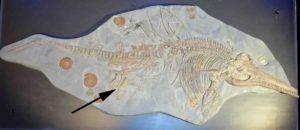
Wahlisaurus massarae
Life reconstruction of Wahlisaurus massarae. Credit: of James McKay.

A rare 200 million-year-old ichthyosaur specimen has been discovered in a private collection 22 years after it was originally found.

The fossil is only the second example of Wahlisaurus massarae, a new species of ichthyosaur discovered by The University of Manchester palaeontologist, Dean Lomax. This fossil was originally found in 1996 and has now been donated to a museum.

Ichthyosaurs have recently been in the limelight as the focus of BBC One documentary, ‘Attenborough and the Sea Dragon’. They were a type of sea-going reptile that lived during the time of the dinosaurs. Their fossils are plentiful in the UK and in recent years Lomax has described five different species of the prehistoric reptile.

In 2016, Lomax described an ichthyosaur skeleton that he had examined in the collections of Leicester’s New Walk Museum and Art Gallery. He spotted several unusual features of the bones and determined that the features were unique and represented a new species, which he called Wahlisaurus massarae, in honour of two of his colleagues and mentors: Bill Wahl and Prof. Judy Massare.

He said: “When Wahlisaurus was announced, I was a little nervous about what other palaeontologists would make of it, considering the new species was known only from a single specimen. As a scientist you learn to question almost everything, and be as critical as you can be. My analysis suggested it was something new, but some palaeontologists questioned this and said it was just ‘variation’ of an existing species.”

In this new study, Lomax teamed up with Dr Mark Evans, palaeontologist and curator at the New Walk Museum, Leicester, and fossil collector, Simon Carpenter, of Somerset. The study focuses on a specimen Dean identified in Simon’s collection, which is an almost complete coracoid bone (part of the pectoral girdle) that has exactly the same unique features of the same bone in Wahlisaurus. The specimen was originally collected in 1996, in a quarry in northern Somerset. Once the specimen’s rarity was realised, Simon immediately donated it to Bristol Museum and Art Gallery.

Lomax added: “You can only imagine my sheer excitement to find a specimen of Wahlisaurus in Simon’s collection. It was such a wonderful moment. When you have just one specimen, ‘variation’ can be called upon, but when you double the number of specimens you have it gives even more credibility to your research.”

The new discovery is from a time known as the Triassic-Jurassic boundary, right after a world-wide mass extinction. For these reasons, the team have been unable to determine exactly whether the ichthyosaur was latest Triassic or earliest Jurassic in age, although it is roughly 200 million-year-old.

As part of the study, Dr Evans cleaned the bones and removed additional rock from the first specimen. This assisted in a detailed re-examination of the original skull, which led to the discovery of additional bones. This has provided a better understanding of the skull structure.

“The discovery of the new specimen in a private collection helps to recognise the important contribution of dedicated and responsible fossil collectors. I am especially grateful to Simon for donating the specimen and collecting all of the data available with the specimen when he found it.” Added Lomax.

Reference:
Lomax, D. R., Evans, M. and Carpenter, S. An ichthyosaur from the UK Triassic-Jurassic boundary: A second specimen of the leptonectid ichthyosaur Wahlisaurus massarae Lomax 2016. Geological Journal, 2018 DOI: 10.1002/gj.3155

Note: The above post is reprinted from materials provided by University of Manchester.

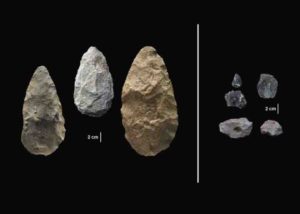
First study of the only original fossils conserved of Peking Man

Original fossil teeth"Peking Man.".
Original fossil teeth”Peking Man.”. Credit: Xing Song et al

Scientists from the Centro Nacional de Investigación sobre la Evolución Humana (CENIEH) form part of the team which has just published a paper in the journal Scientific Reports, studying for the first time the original fossil remains conserved of “Peking Man.” These six teeth belonging to Homo erectus were found in the mid-twentieth century at the Middle Pleistocene archaeological site of Zhoukoudian (Beijing).

The archaeological and paleontological material (including numerous human remains) at this Chinese site, declared a UNESCO World Heritage, was lost during the Second World War, while it was being shipped to the United States. Currently, there only exist six original teeth, recovered between 1949 and 1959 and in 1966, which are described and compared in this work led by Xing Song, of the Institute of Vertebrate Paleontology and Paleoanthropology (IVPP) of Beijing, in which María Martinón-Torres, director of the CENIEH, and José María Bermúdez de Castro, coordinator of the hominid Paleobiology program, have also participated.

“Since they were lost, for research on the fossil humans found at the site during the 1930s, plaster replicas of very poor quality have been used, as well as the descriptions and sketches that the researcher Franz Weidenreich left us,” comments Bermúdez de Castro.

Homo erectus pekinensis

The human fossils were initially attributed by the Canadian anthropologist Davison Black to the species Sinanthropus pekinensis. Later, in the 1950s, these fossils were included in the species Homo erectus. As Martinón-Torres explains, for a long time the idea was held that this species was a direct ancestor of modern humanity, and “all the human fossils found in what we call the Far East and in the current islands of Indonesia have been attributed systematically to Homo erectus.

Several recent studies point out differences among all these fossils, which are considered as normal variations within the species. According to the authors of this paper entitled “The fossil teeth of the Peking Man,” there are similarities between the teeth of Zhoukoudian and those of other Chinese archaeological sites from a similar period, but they also highlight the differences from other teeth ascribed either to Homo erectus or other species of hominins from Africa and Europe.

It is hoped that this latest work will open the doors definitively to a revision of all the human fossil material from the Far East.

Reference:
Song Xing, María Martinón-Torres, José María Bermúdez de Castro. The fossil teeth of the Peking Man. Scientific Reports, 2018; 8 (1) DOI: 10.1038/s41598-018-20432-y

Note: The above post is reprinted from materials provided by CENIEH.

Child helps paleontologists in discovery of new ancient fish species

Candelarhynchus padillai
The newly discovered species, called Candelarhynchus padillai, inhabited the waters of what is now Colombia about 90 million years ago. Credit: Oksana Vernygora

Paleontologists from the University of Alberta have discovered a never-before-seen species of fish in Colombia, with help from a young and curious tourist.

The fossil, Candelarhynchus padillai, is about 90 million years old and has no modern relatives, explained Oksana Vernygora, a Ph.D. student in the Department of Biological Sciences and lead author on the study.

“A kid was walking into the Monastery of La Candelaria during a tour when he noticed the shape of a fish in a flagstone on the ground,” explained Javier Luque, a Ph.D. candidate and co-author on the study. “He took a photo and, a few days later, showed it to staff at the Centro de Investigaciones Paleontologicas, a local museum with whom we collaborate to protect and study fossil findings from the region.”

Staff at the centre recognized the image as a fossil fish right away and shared the finding with their U of A colleagues. Alison Murray, professor of biological sciences and Vernygora’s supervisor, joined her colleagues in the South American country to retrace the steps of the young tourist, who was 10 years old at the time, near the town of Ráquira Boyacá.

Rare discovery

The team found a nearly perfect, intact fossil of an ancient fish. In fact, it was the first fossil “lizard fish” from the Cretaceous period ever found in Colombia and tropical South America.

“It’s rare to find such a complete fossil of a fish from this moment in the Cretaceous period. Deepwater fish are difficult to recover, as well as those from environments with fast-flowing waters,” said Vernygora. “But what surprises me the most is that, after two years of being on a walkway, it was still intact. It’s amazing.”

The discovery contributes to the growing and important body of literature on the fossil record in the tropics.

“The tropics worldwide are hotspots of diversity,” explained Luque. “Interestingly, we know a great deal about modern biodiversity in these areas, but the fossil record is poorly understood in comparison. This adds another piece to that puzzle.”

And the importance of understanding fossil fish, Vernygora explained, is often underestimated.

“Often we think, ‘We have fish now, we had fish then, we’ll likely have fish in the future.’ But the importance of fish is just that,” she said. “We can see how fish have changed as their environments have changed throughout history. Studying fish diversity gives us amazing predicting power for the future—especially as we start to see the effects of climate change.”

The paper, “A New Cretaceous Dercetid Fish (Neoteleostei: Aulopiformes) From the Turonian of Colombia,” was published in the Journal of Systematic Palaeontology.

Reference:
Oksana Vernygora et al. A new Cretaceous dercetid fish (Neoteleostei: Aulopiformes) from the Turonian of Colombia, Journal of Systematic Palaeontology (2017). DOI: 10.1080/14772019.2017.1391884

Note: The above post is reprinted from materials provided by University of Alberta.

Oklahoma’s earthquakes strongly linked to wastewater injection depth

Pipeline monument, Cushing, Oklahoma.
Pipeline monument, Cushing, Oklahoma. Credit: Roy Luck, CC-BY-2.0

Human-made earthquakes in Oklahoma, USA, are strongly linked to the depth at which wastewater from the oil and gas industry are injected into the ground, according to a new study led by the University of Bristol.

Oklahoma has been a seismic hotspot for the past decade, with the number of damaging earthquakes — including the magnitude 5.8 Pawnee earthquake in 2016 — regularly impacting on the lives of residents, leading to litigation against well operators.

The human-made, or induced, earthquakes pose an increased risk to critical infrastructure such as a major commercial oil storage facility at Cushing, making them a national security threat.

The connection between ‘seismicity’ — the frequency of earthquakes — and deep fluid injection into underground rock formations is well established, but scientists, policymakers, and the oil and gas industry have been bewildered by the unprecedented surge in earthquake activity. At its peak, there has been an approximately 800-fold increase in the annual number of earthquakes in Oklahoma since 2011.

Oklahoma’s well operators have injected on average 2.3 billion barrels of fluids per year into the ground since 2011. Wastewater is routinely disposed of typically at depths one to two km below the ground surface, well below the level of fresh ground water supplies. Also, saltwater is injected deep underground to enable recovery of oil and gas.

Now a major study by the University of Bristol and involving the University of Southampton, Delft University of Technology and Resources for the Future, published today in the journal Science, shows conclusively that Oklahoma’s seismicity is strongly linked to fluid injection depth.

Lead author of the study, Dr Thea Hincks, Senior Research Associate at the University of Bristol’s School of Earth Sciences, said: “Our new modelling framework provides a targeted, evidential basis for managing a substantial reduction in induced seismicity in Oklahoma, with extensive possibilities for application elsewhere in the world. This marks a step forward in understanding the evolution of seismicity in the Oklahoma region.”

Using a powerful computer model incorporating injection well records and earthquake data from the US Geological Survey, the team examined the connections between injection volume, depth, and location, as well as geological features, over a six-year period.

The study used innovative new software, Uninet, which was developed by co-author Professor Roger Cooke’s group at Delft University of Technology and is freely available for academic users from LightTwist Software. Uninet has previously been used to develop causal risk models for the aviation industry.

The team found that the joint effects of depth and volume are critical, and that injection volume becomes more influential — and more likely to cause earthquakes — at depths where layered sedimentary rocks meet crystalline basement rocks. This is because deeper wells allow easier access for fluids into fractured basement rocks that are much more prone to earthquakes.

Dr Tom Gernon, Associate Professor in Earth Science at the University of Southampton, and co-author on the study, said: “The underlying causes of Oklahoma’s induced earthquakes are an open and complex issue, not least because there are over 10,000 injection wells, with many different operators and operating characteristics, all in an area of complex geology.

“Thanks to an innovative model capable of analysing large and complex data sets, our study establishes for the first time a clear link between seismicity and fluid injection depth.”

The study also shows how raising injection well depths to above the basement rocks in key areas could significantly reduce the annual energy released by earthquakes — thereby reducing the relative likelihoods of larger, damaging earthquakes. Current regulatory interventions include requiring operators to either reduce injection or raise wells above the basement, often by an unspecified amount.

Professor Willy Aspinall, of the University of Bristol and Aspinall & Associates, who conceived the study, added: “This new diagnostic finding has potential implications for scientists, regulators and civil authorities concerned about induced seismicity, both in the US and internationally. The research addresses a growing need for a broader understanding of how operational, spatial and geologic parameters combine to influence induced seismic risk.

“Our analysis allows regulatory actions to be evaluated on a rational, quantitative basis in terms of seismic effects.”

Thea Hincks and Willy Aspinall were supported in part by the CREDIBLE consortium (NERC Grant NE/J017299/1).

Reference:
Thea Hincks, Willy Aspinall, Roger Cooke, Thomas Gernon. Oklahoma’s induced seismicity strongly linked to wastewater injection depth. Science, 2018; eaap7911 DOI: 10.1126/science.aap7911

Note: The above post is reprinted from materials provided by University of Bristol.

New study sheds light on the brain evolution of turtles

The image shows a reconstruction of Proganochelys (the oldest turtle with a complete shell) as it would have appeared in life.
The image shows a reconstruction of Proganochelys (the oldest turtle with a complete shell) as it would have appeared in life. This reconstruction is based on a digital model of the fossil skull, which was scanned using computed tomography and is shown in the middle. Shown in the front is the digitally reconstructed brain of Proganochelys analyzed in the current study. Credit: Stephan Lautenschlager, University of Birmingham

A new study led by the University of Birmingham shows that the brain of turtles has evolved slowly, but constantly over the last 210 million years, eventually reaching a variety in form and complexity, which rivals that of other animal groups.

The study also discovered that the first turtles with a fully formed shell were very likely to be living on land and not in water or in an environment where they burrowed underground.

Turtles are one of the oldest vertebrate groups still alive today. Their origins date back nearly 250 million years, yet they have changed very little since then. Almost all fossil turtles looked very similar to modern turtles today and this probably enabled turtles to survive several mass extinctions.

An international team of scientists from the UK, Brazil and Germany used modern computer analysis to look at what happened to the turtle brain over this long period of evolution.

The team’s research, published today (1 February 2018) in the journal Frontiers in Ecology and Evolution, focussed on the fossils of the oldest turtle with a fully formed shell: Proganochelys quenstedti, found in the Triassic sediments (ca. 210 million years) of Germany. Using computed tomography scanning of two fossil skulls, the researchers generated digital models of the brain of Proganochelys and compared them to brain models of modern turtles.

Dr Stephan Lautenschlager, lead author from the University of Birmingham’s School of Geography, Earth and Environmental Sciences, said: ‘Our results demonstrate that Proganochelys, the oldest turtle with a real shell, had a very simple brain structure. Vision and hearing were probably not very good, while the sense of smell was moderately developed.’

Results of this study further showed that the turtle brain increased in size and complexity over the course of evolution to modern turtles. Modern turtles show a wide variety of brain shapes and sizes, which reflects their sensory capabilities and their life styles.

Co-author Dr Ingmar Werneburg from the Senckenberg and University Tübingen, Germany, added: ‘Over a period of 200 million years the brain of turtles became more complex, allowing them to adapt to different habits and living conditions. This is very important as we see similar diversifications in other animal groups such as mammals and birds.’

The team’s results further helped to clarify some mysteries of turtle origins. Different competing hypotheses exist as to whether turtles originated in an aquatic, terrestrial or even fossorial (digging underground) environment.

Gabriel Ferreira from the University of São Paulo, Brazil, who also co-authored the study, explained: ‘By comparing the digital brain reconstruction of Proganochelys with those of modern turtles we can show that the first turtles with a fully formed shell were very likely living on land and not in the water or in an fossorial environment. It was only later that they explored those different habitats.’

Reference:
Stephan Lautenschlager, Gabriel S. Ferreira and Ingmar Werneburg. Sensory evolution and ecology of early turtles revealed by digital endocranial reconstructions. Frontiers in Ecology and Evolution, 2018 DOI: 10.3389/fevo.2018.00007

Note: The above post is reprinted from materials provided by University of Birmingham.

New research suggests toward end of Ice Age, human beings witnessed fires larger than dinosaur killer, thanks to a cosmic impact

Dryas Fires
New research shows that some 12,800 years ago, an astonishing 10 percent of the Earth’s land surface, or about 10 million square kilometers, was consumed by fires. Dryas Fires Credit: Pexels com

On a ho-hum day some 12,800 years ago, the Earth had emerged from another ice age. Things were warming up, and the glaciers had retreated.

Out of nowhere, the sky was lit with fireballs. This was followed by shock waves.

Fires rushed across the landscape, and dust clogged the sky, cutting off the sunlight. As the climate rapidly cooled, plants died, food sources were snuffed out, and the glaciers advanced again. Ocean currents shifted, setting the climate into a colder, almost “ice age” state that lasted an additional thousand years.

Finally, the climate began to warm again, and people again emerged into a world with fewer large animals and a human culture in North America that left behind completely different kinds of spear points.

This is the story supported by a massive study of geochemical and isotopic markers just published in the Journal of Geology.

The results are so massive that the study had to be split into two papers.

“Extraordinary Biomass-Burning Episode and Impact Winter Triggered by the Younger Dryas Cosmic Cosmic Impact ~12,800 Years Ago” is divided into “Part I: Ice Cores and Glaciers” and “Part 2: Lake, Marine, and Terrestrial Sediments.”

The paper’s 24 authors include KU Emeritus Professor of Physics & Astronomy Adrian Melott and Professor Brian Thomas, a 2005 doctoral graduate from KU, now at Washburn University.

“The work includes measurements made at more than 170 different sites across the world,” Melott said.

The KU researcher and his colleagues believe the data suggests the disaster was touched off when Earth collided with fragments of a disintegrating comet that was roughly 62 miles in diameter — the remnants of which persist within our solar system to this day.

“The hypothesis is that a large comet fragmented and the chunks impacted the Earth, causing this disaster,” said Melott. “A number of different chemical signatures — carbon dioxide, nitrate, ammonia and others — all seem to indicate that an astonishing 10 percent of the Earth’s land surface, or about 10 million square kilometers, was consumed by fires.”

According to Melott, analysis of pollen suggests pine forests were probably burned off to be replaced by poplar, which is a species that colonizes cleared areas.

Indeed, the authors posit the cosmic impact could have touched off the Younger Dryas cool episode, biomass burning, late Pleistocene extinctions of larger species and “human cultural shifts and population declines.”

“Computations suggest that the impact would have depleted the ozone layer, causing increases in skin cancer and other negative health effects,” Melott said. “The impact hypothesis is still a hypothesis, but this study provides a massive amount of evidence, which we argue can only be all explained by a major cosmic impact.”

References:

  1. Wendy S. Wolbach, Joanne P. Ballard, Paul A. Mayewski, Victor Adedeji, Ted E. Bunch, Richard B. Firestone, Timothy A. French, George A. Howard, Isabel Israde-Alcántara, John R. Johnson, David Kimbel, Charles R. Kinzie, Andrei Kurbatov, Gunther Kletetschka, Malcolm A. LeCompte, William C. Mahaney, Adrian L. Melott, Abigail Maiorana-Boutilier, Siddhartha Mitra, Christopher R. Moore, William M. Napier, Jennifer Parlier, Kenneth B. Tankersley, Brian C. Thomas, James H. Wittke, Allen West, James P. Kennett. Extraordinary Biomass-Burning Episode and Impact Winter Triggered by the Younger Dryas Cosmic Impact ∼12,800 Years Ago. 1. Ice Cores and Glaciers. The Journal of Geology, 2018; 000 DOI: 10.1086/695703
  2. Wendy S. Wolbach, Joanne P. Ballard, Paul A. Mayewski, Andrew C. Parnell, Niamh Cahill, Victor Adedeji, Ted E. Bunch, Gabriela Domínguez-Vázquez, Jon M. Erlandson, Richard B. Firestone, Timothy A. French, George Howard, Isabel Israde-Alcántara, John R. Johnson, David Kimbel, Charles R. Kinzie, Andrei Kurbatov, Gunther Kletetschka, Malcolm A. LeCompte, William C. Mahaney, Adrian L. Melott, Siddhartha Mitra, Abigail Maiorana-Boutilier, Christopher R. Moore, William M. Napier, Jennifer Parlier, Kenneth B. Tankersley, Brian C. Thomas, James H. Wittke, Allen West, James P. Kennett. Extraordinary Biomass-Burning Episode and Impact Winter Triggered by the Younger Dryas Cosmic Impact ∼12,800 Years Ago. 2. Lake, Marine, and Terrestrial Sediments. The Journal of Geology, 2018; 000 DOI: 10.1086/695704

Note: The above post is reprinted from materials provided by University of Kansas.

“Snakes” Why did it have to be giant snakes?

Titanoboa devouring a dyrosaurid crocodyliform, from the Smithsonian exhibit
Life-sized model of Titanoboa devouring a dyrosaurid crocodyliform, from the Smithsonian exhibit. Credit: Ryan Quick, CC BY 2.0

Snakes are beautiful and bizarre animals. Limbless vertebrates, they have been around for more than 150 million years, and occupy almost every ecological role possible, including living under the sea!

Over geological time, they have come in all sorts of shapes and sizes (typically still sausage-ish shaped), and have a unique evolutionary history.

One particular group of snakes, Madtsoiidae, used to be widely distributed around the world back in the Cretaceous when the dinosaurs ruled. They are now extinct, with a range of around 100 million years, making them one of the longest lived lineages ever.

The first named madtsoiid was back in 1901, and called Gigantophis garstini. It was discovered from 40 million year old rocks in very, very ancient Egypt. From the name, you can probably tell that this was one hefty snake, bigger than an anaconda and making most modern species look like something you’d find in a pick n mix.

However, Gigantophis isn’t that well understood by scientists, and only 20 vertebra are known in total for the species. Previous research from the early 20th century only briefly figured and described the specimens, which have otherwise remained unstudied in the Egyptian Geological Museum in Cairo for more than a century.

Jonathan Rio and Phil Mannion (my old Ph.D. supervisor!) recently undertook the mammoth task of redescribing and analysing these vertebrae. They compared them to similar fossils from across North Africa and Pakistan, to see what they could learn about the mystery giant snake.

What they discovered is that other material that had been referred to this species from Pakistan was markedly different, and most likely a new species altogether. Instead, Gigantophis appears to have been confined to the late Eocene of North Africa.

By comparing the vertebrae to those of living snakes, they were able to estimate that Gigantophis was around 7 metres in length. When discovered, researchers thought that Gigantophis was the biggest of all snakes ever known, and an analysis in 2004 estimated that it could grow to around 10 meters in length!

However, in 2009, Titanoboa was discovered from the Paleocene of Colombia, which has since gained notorious fame for its immense slithery size, coming in at around 12-13 metres in length. Down the ladder Gigantophis went.

A new analysis of Gigantophis’ evolutionary relationships found that its closest relative was an Indian species called Madtsoia. Its scaly cousin was much older, living in the latest Cretaceous, before the great dinosaur extinction. This distinction in time and space suggests that during the Cretaceous, these strange snakes were much more widespread across the southern continents, although it is remains difficult to know exactly what happened. This is because the fossil record is notoriously bad at this time, and therefore we’re probably just not finding the fossils needed to help fill the gaps in the puzzle.

So, you know what to do. Next time you’re out exploring in SE Asia, South America, or Africa, keep an eye out for giant snake fossils!

Reference:
Jonathan P. Rio et al. The osteology of the giant snake Gigantophis garstini from the upper Eocene of North Africa and its bearing on the phylogenetic relationships and biogeography of Madtsoiidae, Journal of Vertebrate Paleontology (2017). DOI: 10.1080/02724634.2017.1347179

Note: The above post is reprinted from materials provided by Public Library of Science. This story is republished courtesy of PLOS Blogs: blogs.plos.org.

Dinosaur age meets the space age

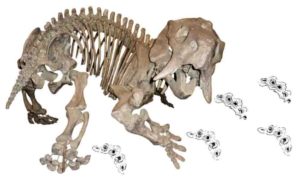
Detail view of a cast from the sandstone slab imprinted with more than 70 dinosaur and mammal tracks discovered at NASA's Goddard Space Flight Center in Greenbelt, Maryland.
Detail view of a cast from the sandstone slab imprinted with more than 70 dinosaur and mammal tracks discovered at NASA’s Goddard Space Flight Center in Greenbelt, Maryland. Credit: NASA’s Goddard Space Flight Center/Rebecca Roth

A slab of sandstone discovered at NASA’s Goddard Space Flight Center contains at least 70 mammal and dinosaur tracks from more than 100 million years ago, according to a new paper published Jan. 31 in the journal Scientific Reports. The find provides a rare glimpse of mammals and dinosaurs interacting.

The tracks were discovered by Ray Stanford — a local dinosaur track expert whose wife, Sheila, works at Goddard. After dropping off Sheila at work one day in 2012, Stanford spotted an intriguing rock outcropping behind Shelia’s building on a hillside. Stanford parked his car, investigated, and found a 12-inch-wide dinosaur track on the exposed rock. Excavation revealed that the slab was the size of a dining room table and examination in the ensuing years found that it was covered in preserved tracks.

The remarkable Goddard specimen, about 8 feet by 3 feet in size, is imprinted with nearly 70 tracks from eight species, including squirrel-sized mammals and tank-sized dinosaurs. Analysis suggests that all of the tracks were likely made within a few days of each other at a location that might have been the edge of a wetland, and could even capture the footprints of predator and prey.

“The concentration of mammal tracks on this site is orders of magnitude higher than any other site in the world,” said Martin Lockley, paleontologist with the University of Colorado, Denver, a co-author on the new paper. Lockley began studying footprints in the 1980s, and was one of the first to do so. “I don’t think I’ve ever seen a slab this size, which is a couple of square meters, where you have over 70 footprints of so many different types. This is the mother lode of Cretaceous mammal tracks.”

After Stanford’s initial find, Stephen J. Godfrey, curator of paleontology at the Calvert Marine Museum, coordinated the excavation of the slab and produced the mold and cast that formed the basis of the scientific work.

The first track Stanford found was of a nodosaur — “think of them as a four-footed tank,” Stanford said. Subsequent examination revealed a baby nodosaur print beside and within the adult print, likely indicating that they were traveling together. The other dinosaur tracks include: a sauropod, or long-necked plant-eater; small theropods, crow-sized carnivorous dinosaurs closely related to the Velociraptor and Tyrannosaurus rex; and pterosaurs, a group of flying reptiles that included pterodactyls.

“It’s a time machine,” Stanford said. “We can look across a few days of activity of these animals and we can picture it. We see the interaction of how they pass in relation to each other. This enables us to look deeply into ancient times on Earth. It’s just tremendously exciting.”

The dinosaur tracks are impressive, but it is the collection of mammal tracks that make the slab significant. At least 26 mammal tracks have been identified on the slab since the 2012 discovery — making it one of two known sites in the world with such a concentration of prints. Furthermore, the slab also contains the largest mammal track ever discovered from the Cretaceous. It is about four inches square, or the size of a raccoon’s prints.

Lockley and Stanford said most of these ancient footprints belong to what we would consider small mammals — animals the size of squirrels or prairie dogs. Most Cretaceous mammals discovered to date have been the size of rodents, their size usually determined only from their teeth. “When you have only teeth, you have no idea what the animals looked like or how they behaved,” Lockley said.

Lockley and Stanford believe the wide diversity and number of tracks show many of the animals were in the area actively feeding at the same time. Perhaps the mammals were feeding on worms and grubs, the small carnivorous dinosaurs were after the mammals, and the pterosaurs could have been hunting both the mammals and the small dinosaurs.

The parallel trackway patterns made by four crow-sized carnivorous dinosaurs suggests they were hunting or foraging as a group. “It looks as if they were making a sweep across the area,” Lockley said.

Several of the mammal tracks occur in pairs, representing hind feet. “It looks as if these squirrel-sized animals paused to sit on their haunches,” Lockley said. The team gave the new formal scientific name of Sederipes goddardensis, meaning sitting traces from Goddard Space Flight Center, to this unusual configuration of tracks.

“We do not see overlapping tracks — overlapping tracks would occur if multiple tracks were made over a longer period while the sand was wet,” said Compton Tucker, a Goddard Earth scientist who helped with the excavation, coordinated bringing in multiple scientists to study the tracks, and has worked to create a display of the cast in Goddard’s Earth science building. “People ask me, ‘Why were all these tracks in Maryland?’ I reply that Maryland has always been a desirable place to live.”

What is now Maryland would have been a much hotter, swampier place in the Cretaceous, when sea levels would have been hundreds of feet higher than today. As scientists continue to study the slab and compare the tracks to others found in the area and around the world, they will continue to discover more about prehistoric life that existed here.

“This could be the key to understanding some of the smaller finds from the area, so it brings everything together,” Lockley said. “This is the Cretaceous equivalent of the Rosetta stone.”

Note: The above post is reprinted from materials provided by NASA/Goddard Space Flight Center. Original written by Ashley Hume and Patrick Lynch.

Giant earthquakes: Not as random as thought

Researchers taking sediment cores on Chilean lake Calafquén (with Villarrica Volcano in the background).
Researchers taking sediment cores on Chilean lake Calafquén (with Villarrica Volcano in the background). Credit: Maarten Van Daele

By analyzing sediment cores from Chilean lakes, an international team of scientists discovered that giant earthquakes reoccur with relatively regular intervals. When also taking into account smaller earthquakes, the repeat interval becomes increasingly more irregular to a level where earthquakes happen randomly in time.

“In 1960, South-Central Chile was hit by the largest known quake on earth with a magnitude of 9.5. Its tsunami was so massive that -in addition to inundating the Chilean coastline- it travelled across the Pacific Ocean and even killed about 200 persons in Japan,” says Jasper Moernaut, an assistant professor at the University of Innsbruck, Austria, and lead author of the study. “Understanding when and where such devastating giant earthquakes may occur in the future is a crucial task for the geoscientific community.”

It is generally believed that giant earthquakes release so much energy that several centuries of stress accumulation are needed to produce a new big one. Therefore, seismological data or historical documents simply do not go back far enough in time to reveal the patterns of their recurrence. “It is an ongoing topic of very vivid debate whether we should model large earthquake recurrence as a quasi-regular or random process in time. Of course, the model choice has very large repercussions on how we evaluate the actual seismic hazard in Chile for the coming decades to centuries.”

In their recent paper in Earth and Planetary Science Letters, Moernaut`s team of Belgian, Chilean and Swiss researchers presented a new approach to tackle the problem of large earthquake recurrence. By analyzing sediments on the bottom of two Chilean lakes, they recognized that each strong earthquake produces underwater landslides which get preserved in the sedimentary layers accumulating on the lake floor. By sampling these layers in up to 8 m long sediment cores, they retrieved the complete earthquake history over the last 5000 years, including up to 35 great earthquakes of a magnitude larger than 7.7.

“What is truly exceptional is the fact that in one lake the underwater landslides only happen during the strongest shaking events (like a M9 earthquake), whereas the other lake also reacted to “smaller” M8 earthquakes,” says Maarten Van Daele from Ghent University, Belgium. “In this way we were able to compare the patterns in which earthquakes of different magnitudes take place. We did not have to guess which model is the best, we could just derive it from our data.”

With this approach, the team found that giant earthquakes (like the one in 1960) reoccur every 292 ±93 years and thus the probability for such giant events remains very low in the next 50-100 years. However, the “smaller” (~M8) earthquakes took place every 139 ±69 years and there is a 29.5% chance that such an event may occur in the next 50 years. Since 1960, the area has been seismically very quiet, but a recent M7.6 earthquake (on 25 DEC 2016) near Chiloé Island suggests a reawakening of great earthquakes in South-Central Chile.

“These Chilean lakes form a fantastic opportunity to study earthquake recurrence,” says Moernaut. “Glacial erosion during the last Ice Age resulted in a chain of large and deep lakes above the subduction zone, where the most powerful earthquakes are getting generated. We hope to extend our approach along South America, which may allow us to discover whether e.g. earthquakes always rupture in the same segments, or whether other areas in the country are capable of producing giant M9+ earthquakes.”

“In the meanwhile, we already initiated similar studies on Alaskan, Sumatran and Japanese lakes,” says Marc De Batist from Ghent University. “We are looking forward to some exciting comparisons between the data from these settings, and see if the Chilean patterns hold for other areas that have experienced giant M9+ earthquakes in the past.”

Reference:
J. Moernaut, M. Van Daele, K. Fontijn, K. Heirman, P. Kempf, M. Pino, G. Valdebenito, R. Urrutia, M. Strasser, M. De Batist. Larger earthquakes recur more periodically: New insights in the megathrust earthquake cycle from lacustrine turbidite records in south-central Chile. Earth and Planetary Science Letters, 2018; 481: 9 DOI: 10.1016/j.epsl.2017.10.016

Note: The above post is reprinted from materials provided by University of Innsbruck.

Earth’s mid-life crisis – new research backs ‘lull’ in the geologic record

Earth from near space.
Credit: © dell / Fotolia

New research backing claims that the Earth experienced a ‘geological lull’ in its development around 2.3 to 2.2 billion years ago has just been released by Curtin University.

Published today in Nature Geoscience, the research is likely to re-ignite debate over the Earth’s development, with scientists divided over what geologic processes occurred during the Palaeoproterozoic geologic era.

Lead researcher Dr. Christopher Spencer from the School of Earth and Planetary Sciences at Curtin University said the research findings point to a near complete shutdown of continental magmatism during this period, and has profoundly shaped the geologic record as we know it today.

“Our research shows a bona fide gap in the Palaeoproterozoioc geologic record, with not only a slowing down of the number of volcanoes erupting during this time, but also a slow-down in sedimentation and a noticeable lull in tectonic plate movement,” Dr. Spencer said.

“The early Paleoproterozoic was a significant time in Earth history. It was at this time when the atmosphere got its first whiff of oxygen and also the first global glaciation event. But this was also a period where other geologic processes effectively shut down. It’s almost as if the Earth experienced a mid-life crisis.”

The research involved compiling massive amounts of existing geological data as well as examination of rocks collected in Western Australia’s Stirling Ranges, China, Northern Canada and Southern Africa.

“The more rocks and data we collected the clearer it is that there is very little preserved record for this period,” Dr. Spencer said.

“Earth’s mantle used to be much hotter than it is today and over time volcanoes allowed the mantle to cool and geologic processes are thought to have slowed down. We believe this continual slowdown led to dramatic geological changes such as those seen in the early Paleoproterozoic.

“This ‘dormant’ period lasted around 100 million years and signalled what we believe was a shift from ‘ancient-style’ tectonics to ‘modern-style’ tectonics more akin to those operating in the present day. Following this dormant period Earth’s geology started to ‘wake-up’ again around 2.2 to 2.0 billion years ago with a ‘flare-up’ of volcanic activity and a shift in the composition of the continental crust.”

Dr. Spencer believes these findings could provide greater insight into our understanding of the world’s natural resources and where they exist, and has suggested more research is now needed into this time period to better determine how the earth’s geological processes were impacted.

The full research paper has been published in Nature Geoscience.

Reference:
Christopher J. Spencer et al. A Palaeoproterozoic tectono-magmatic lull as a potential trigger for the supercontinent cycle, Nature Geoscience (2018). DOI: 10.1038/s41561-017-0051-y

Note: The above post is reprinted from materials provided by Curtin University.

Living with volcanic gases

Masaya lava lake
Masaya lava lake. Credit: Tamsin Mather

Professor Tamsin Mather, a volcanologist in Oxford’s Department of Earth Sciences reflects on her many fieldwork experiences at Massaya volcano in Nicaragua, and what she has learned about how they effect the lives of the people who live around them.

Over the years, fieldwork at Masaya volcano in Nicaragua, has revealed many secrets about how volcanic plumes work and impact the environment, both in the here and now and deep into the geological past of our planet.

Working in this environment has also generated many memories and stories for me personally. From watching colleagues descend into the crater, to meeting bandits at dawn, or driving soldiers and their rifles across the country, or losing a remotely controlled miniature airship in Nicaraguan airspace and becoming acquainted with Ron and Victoria (the local beverages), to name but a few.

I first went to Masaya volcano in Nicaragua in 2001. In fact, it was the first volcano that I worked on for my Ph.D. It is not a spectacular volcano. It does not have the iconic conical shape or indeed size of some of its neighbours in Nicaragua. Mighty Momotombo, just 35 km away, seems to define (well, to me) the capital Managua’s skyline. By comparison, Masaya is a relative footnote on the landscape, reaching just over 600 m in elevation. Nonetheless it is to Masaya that myself and other volcanologists flock to work, as it offers a rare natural laboratory to study volcanic processes. Everyday of the year Masaya pumps great quantities of volcanic gases (a noxious cocktail including acidic gases like sulphur dioxide and hydrogen chloride) from its magma interior into the Nicaraguan atmosphere. Furthermore, with the right permissions and safety equipment, you can drive a car directly into this gas plume easily bringing heavy equipment to make measurements. I have heard it described by colleagues as a ‘drive-through’ volcano and while this is not a term I like, as someone who once lugged heavy equipment up 5500 m high Lascar in Chile, I can certainly vouch for its appeal.

Returning for my fifth visit in December 2017 (six years since my last) was like meeting up with an old friend again. There were many familiar sights and sounds: the view of Mombacho volcano from Masaya’s crater rim, the sound of the parakeets returning to the crater at dusk, the pungent smell of the plume that clings to your clothes for days, my favourite view of Momotombo from the main Managua-Masaya road, Mi Viejo Ranchito restaurant – I could go on.

But, as with old friends, there were many changes too. Although in the past I could often hear the magma roaring as it moved under the surface, down the vents, since late 2015 a combination of rock falls and rising lava levels have created a small lava lake visibly churning inside the volcanic crater. This is spectacular in the daytime, but at night the menacing crater glow is mesmerising and the national park is now open to a stream of tourists visiting after dark. Previously, I would scour the ground around the crater for a few glassy fibres and beads of the fresh lava, forced out as bubbles burst from the lava lake (known as Pele’s hairs and tears after the Hawaiian goddess of the volcano – not the footballer) to bring back to analyse. Now the crater edge downwind of the active vent is carpeted with them, and you leave footprints as if it were snow. New instruments and a viewing platform with a webcam have been put in, in place of the crumbling concrete posts where I used to duct-tape up my equipment.

This time my mission at Masaya was also rather different. Before I had been accompanied solely by scientists but this time I was part of an interdisciplinary team including medics, anthropologists, historians, hazard experts and visual artists. All aligned in the shared aim of studying the impacts of the volcanic gases on the lives and livelihoods of the downwind communities and working with the local agencies to communicate these hazards. Masaya’s high and persistent gas flux, low altitude and ridges of higher ground, downwind of it, mean that these impacts are felt particularly acutely at this volcano. For example, at El Panama, just 3 km from the volcano, which is often noticeably fumigated by the plume, they cannot use nails to fix the roofs of their houses, as they rust too quickly in the volcanic gases.

The team was drawn from Nicaragua, the UK and also Iceland, sharing knowledge between volcano-affected nations. Other members of the team had been there over the previous 12 months, installing air quality monitoring networks, sampling rain and drinking water, interviewing the local people, making a short film telling the people’s stories and scouring the archives for records of the effects of previous volcanic degassing crises at Masaya. Although my expertise was deployed for several days installing new monitoring equipment (the El Crucero Canal 6 transmitter station became our rather unlikely office for part of the week), the main mission of this week was to discuss our results and future plans with the local officials and the communities affected by the plume.

Having worked at Masaya numerous times, mainly for more esoteric scientific reasons, spending time presenting the very human implications of our findings to the local agencies, charged with monitoring the Nicaraguan environment and hazards, as well managing disasters was a privilege. With their help we ran an information evening in El Panama. This involved squeezing 150 people into the tiny school class room in flickering electric light, rigging up the largest TV I have ever seen from the back of a pick-up and transporting 150 chicken dinners from the nearest fried chicken place! But it also meant watching the community see the film about their lives for the first time, meeting the local ‘stars’ of this film and presenting our work where we took their accounts of how the plume behaves and affects their lives and used our measurements to bring them the science behind their own knowledge.

Watching the film it was also striking to us that for so many of this community it was the first time they had seen the lava lake whose effects they feel daily. Outside the school house there were Pele’s hair on the ground in the playground and whiffs of volcanic gas as the sun set – the volcano was certainly present. However, particularly watching the film back now sitting at home in the UK, I feel that with this trip, unlike my others before, it is the people of El Panama that get the last word rather than the volcano.

Note: The above post is reprinted from materials provided by University of Oxford.

Modern humans vs. giant animals

American Mammoth
Extinct mega-herbivore: the American Mammoth. Credit: © Senckenberg

Senckenberg scientist Hervé Bocherens has studied the extinction of mega-herbivores — plant-eating animals that weighed more than one ton — that occurred approx. 12,000 years ago. The scientist from Tübingen reached the conclusion that, on the one hand, modern man was the cause of these giant terrestrial animals’ extinction, and on the other hand, humans took over part of the animals’ ecosystem functions. In his study, recently published in the scientific journal “Frontiers in Ecology and Evolution,” he concludes that the reintroduction of large animals in certain parts of the world could have a positive effect in regard to species diversity.

Today, there are only few animals that weigh in at a ton or more. Elephants, hippopotamuses and rhinoceroses are among these “mega-herbivores,” and despite their large size, their populations are endangered. “Under geological aspects, the small number of so few large animal species presents an anomaly,” explains Professor Dr. Hervé Bocherens of the Senckenberg Center for Human Evolution and Palaeoenvironment at the University of Tübingen, and he continues, “The most prominent example of prehistoric giants is, of course, the dinosaurs.”

But the more recent geological history also included colossal animals such as the giant sloths, woolly rhinoceroses, and mammoths. The biogeologist from Tübingen now examined the reasons for these animals’ extinction around 12,000 years ago and its consequences for the environment.

“Like modern-day elephants, these mega-herbivores acted as ‘ecosystem engineers.’ They reduced the tree cover and kept open the landscape and the watering holes that are of vital importance for many animals. Plant seeds were transported over many kilometers in the animals’ digestive tract, thus aiding in their distribution,” explains Bocherens.

In his recent study, he shows that these tasks were taken over in part by modern humans in the period between 45,000 and 12,000 years ago. “During this epoch, modern man spread across northern Eurasia, North and South America and Australia, and the giant herbivores gradually became extinct,” adds Bocherens.

With the “Neolithic revolution,” the rise of agriculture and animal husbandry, the keeping of stores and a sessile lifestyle, the functions of the extinct “ecosystem engineers” were partially replaced. But in certain areas, such as the agriculturally ill-suited Subarctic — once home to the mammoth steppe — there remained a gap in this respect that continues until today. The lifestyle of these giant animals impacted the entire vegetation — trees were kept small and other plants had sufficient room and nutrients for their growth. The diversity of the flora, in turn, had a positive effect on the faunal diversity.

Following the extinction of the giant herbivores, the steppes turned into boreal coniferous forests. This led to a reduction of the so-called “albedo effect”: Instead of a white layer of snow in the winter or a yellow landscape with dry grasses in the summer, the forests’ dark green color reflects less solar radiation, leading to a warming of the climate. Moreover, the soils of the mammoth steppe were drier and emitted less of the greenhouse gas methane. Bocherens comments, “The presence of giant herbivores thus not only contributed to a higher species diversity, it also had an effect on the global climate.”

According to the study, a better understanding of the differences as well as the similarities between the effects of the extinct mega-herbivores and the human landscape on the ecosystems may aid in better predicting the future of terrestrial ecosystems. “In some areas of the world, it may even make sense to reintroduce such mega-herbivores in order to increase biodiversity, thereby avoiding global warming,” adds Bocherens in summary.

Reference:
Hervé Bocherens. The Rise of the Anthroposphere since 50,000 Years: An Ecological Replacement of Megaherbivores by Humans in Terrestrial Ecosystems? Frontiers in Ecology and Evolution, 2018; 6 DOI: 10.3389/fevo.2018.00003

Note: The above post is reprinted from materials provided by Senckenberg Research Institute and Natural History Museum.

Related Articles