back to top
Facebook
Instagram
Linkedin
TikTok
X
Youtube
Contribute
Advertising
FAQs
Search
27.8
C
New York
Sunday, November 15, 2026
Facebook
Instagram
Linkedin
TikTok
X
Youtube
Home
List of Minerals
Geologic Time Scale
Geology Tools
Geology Adventure Tours
Plate Tectonics Map
Plate Boundary Map
Top Posts
Geology Jobs
GEO Courses
Geology Field Camps
Geology Field Camps in United States
Worldwide Geological Surveys
More
Search
Worm lizards dispersed by ‘rafting’ over oceans, not continental drift
April 1, 2015
200th anniversary of Tambora eruption a reminder of volcanic perils
April 1, 2015
Scientists discover elusive secret of how continents formed
April 1, 2015
Discovery of two new species of primitive fishes
April 1, 2015
International Chronostratigraphic Chart “Version (v2015/01)”
March 31, 2015
LiDAR studies of the Sept. 2013 Colorado Front Range flooding and...
March 31, 2015
New research identifies diverse sources of methane in shallow Arctic lakes
March 31, 2015
Volcanic eruptions durably impact North Atlantic climate
March 31, 2015
Sewage could be a source of valuable metals and critical elements
March 31, 2015
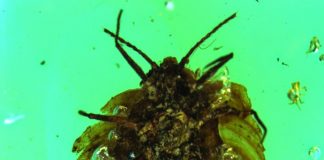
Amber reveals earliest example of maternal care in insects
March 31, 2015
1
...
493
494
495
...
688
Page 494 of 688
MOST POPULAR
How seafloor weathering drives the slow carbon cycle
February 16, 2018
Reed Flute Cave
May 12, 2016
Berkeley Lab Scientists ID New Driver Behind Arctic Warming
November 4, 2014
Research lends new view of the Earth’s core
September 23, 2015
Load more
MORE ARTICLES
New species of early human found in the Philippines
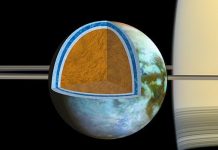
Ocean on Saturn’s moon Titan could be as salty as Earth’s...
Earliest geochemical evidence of plate tectonics found in 3.8-billion-year-old crystal
Research lends new view of the Earth’s core