back to top
Facebook Instagram Linkedin TikTok X Youtube
  • Contribute
  • Advertising
  • FAQs
Search

Logo

27.8 C
New York
Friday, November 27, 2026
Facebook
Instagram
Linkedin
TikTok
X
Youtube

Logo

  • Home
  • List of Minerals
  • Geologic Time Scale
  • Geology Tools
  • Geology Adventure Tours
  • Plate Tectonics Map
    • Plate Boundary Map
  • Top Posts
  • Geology Jobs
  • GEO Courses
  • Geology Field Camps
  • Geology Field Camps in United States
  • Worldwide Geological Surveys
More
    Fossils of Yujingia glutenotunica. Credit: Kaiyue He et al.

    Half-billion-year-old fossils rewrite the origin story of starfish

    October 7, 2026
    Norellraptor barsboldi 130108-MHGU-F4281. Credit: Nature Communications (2026). DOI: 10.1038/s41467-026-77804-6

    New feathered, winged dinosaur from China challenges our theories on bird...

    October 7, 2026
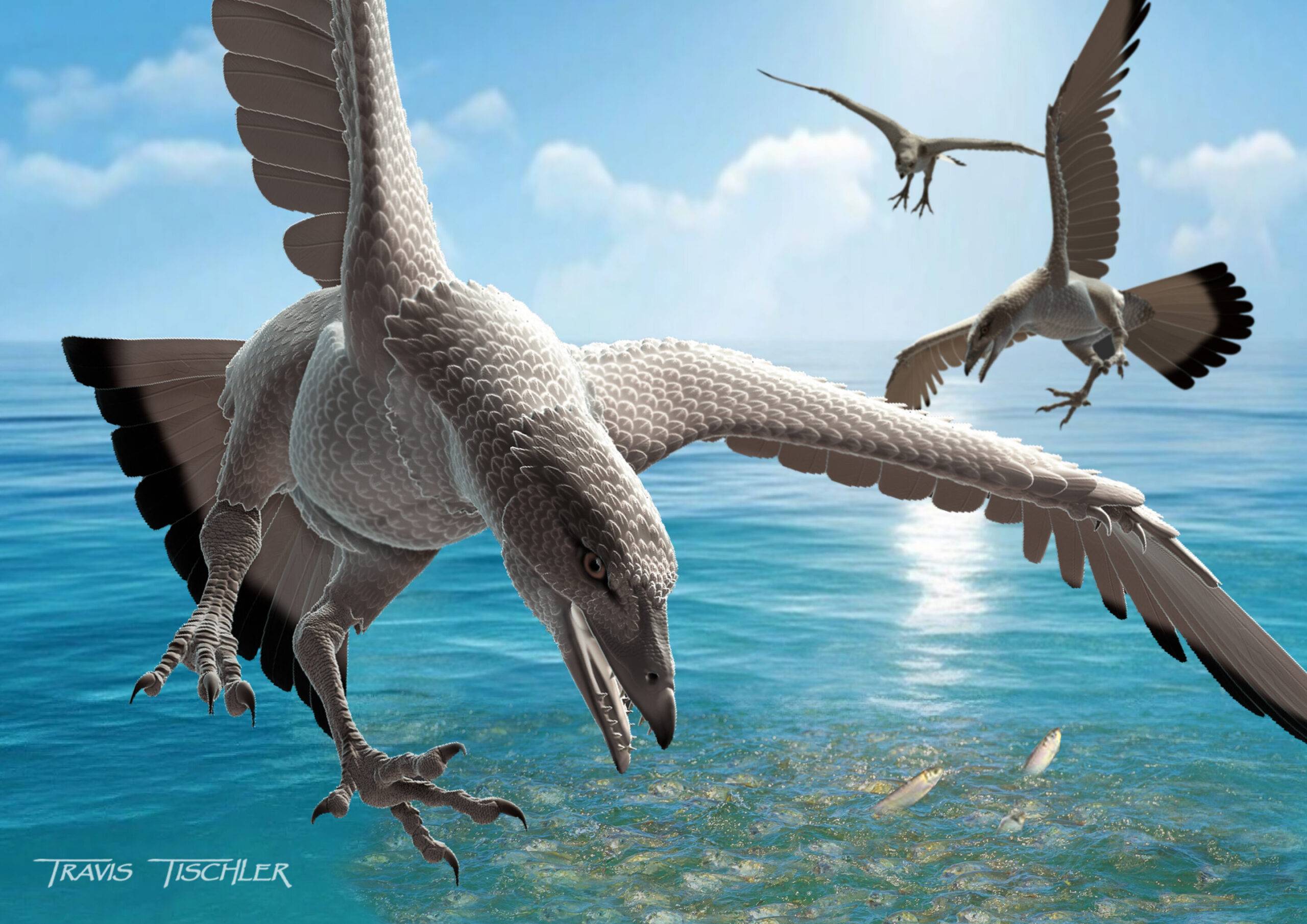
    Life restoration of Tenuicruris piscanexum gen. et sp. nov. Credit: Artwork by Travis Tischler

    Ancient bird becomes second Australian species to be named from the...

    October 7, 2026
    A model of Jeanerpeton on the floor of the Carboniferous forest at the Field Museum's Evolving Planet exhibition. Credit: Allison Sefcovic

    New species of proto-amphibian described by students, named in honor of...

    October 6, 2026
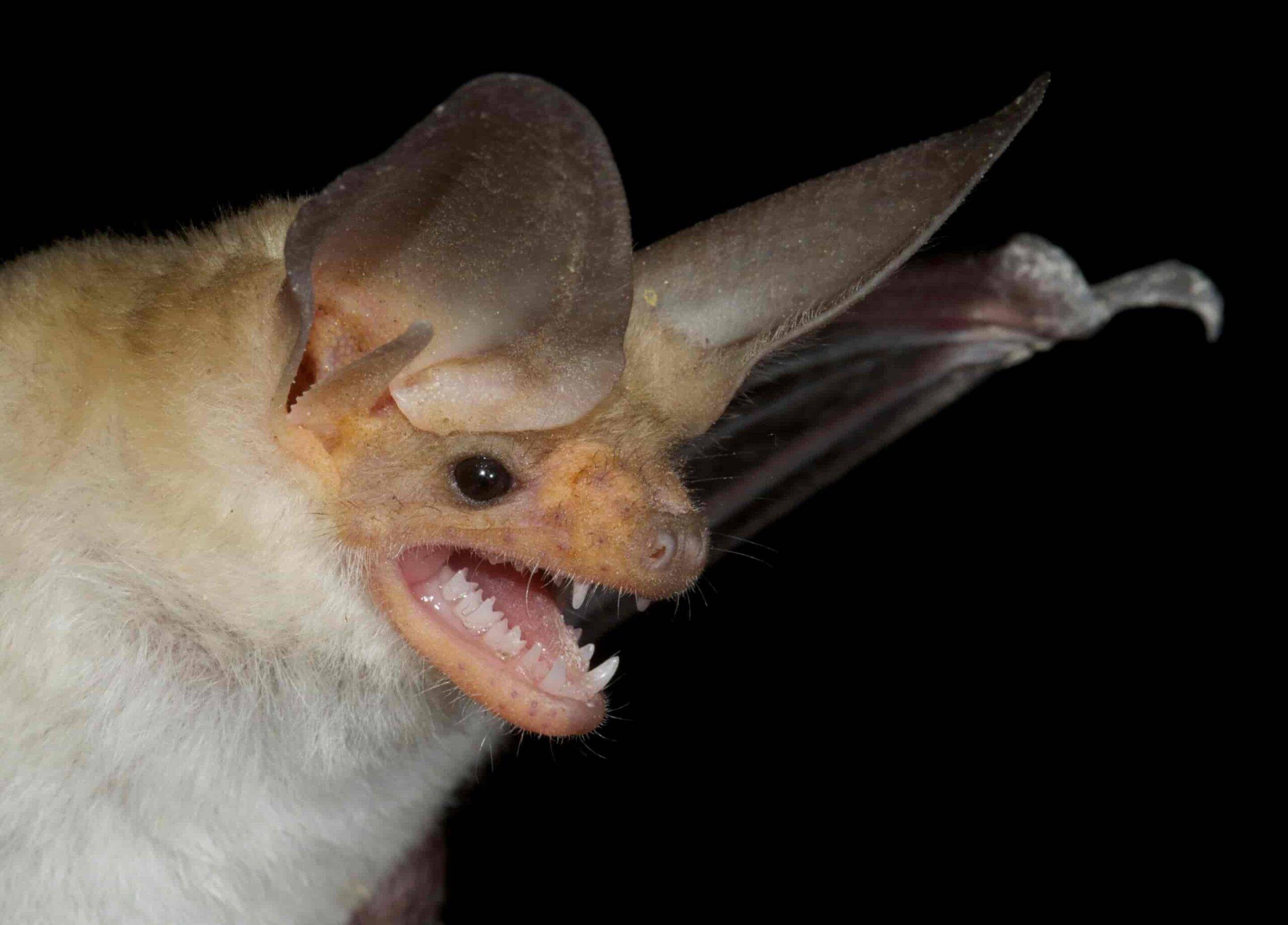
    Antrozous pallidus from the U.S. Credit: Elizabeth Clare

    Bat genomes and fossils point to a European origin 65 million...

    October 6, 2026
    Queasy plesiosaurs swam to shore to vomit, Jurassic fossils reveal

    Queasy plesiosaurs swam to shore to vomit, Jurassic fossils reveal

    October 6, 2026
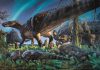
    Paleoenvironmental reconstruction of a group of Cardiatherium, a genus of extinct, direct relatives of modern capybaras, pictured in the late Miocene coastal wetlands and forestry canopy of the Atacama Region of northern Chile. Freshwater crocodiles float in the river, and seals can be seen basking on rocks while seabirds soar above the shoreline. Credit: MauriPaleoenvironmental reconstruction of a group of Cardiatherium, a genus of extinct, direct relatives of modern capybaras, pictured in the late Miocene coastal wetlands and forestry canopy of the Atacama Region of northern Chile. Freshwater crocodiles float in the river, and seals can be seen basking on rocks while seabirds soar above the shoreline. Credit: Mauricio Alvarezcio Alvarez

    Capybaras in the desert? Fossil casts doubt on Atacama as world’s...

    October 6, 2026
    Tyrannosaurus rex. Illustration by Nancy del Aguila/UCLA

    Scientists finally know the body temperature of the Tyrannosaurus rex

    October 6, 2026
    The two slabs of NSM G.1990.72.1, the Westlothiana fossil studied in the new work. Credit: Roger Benson, posted with permission from National Museums Scotland

    Fossil long known as world’s oldest reptile dethroned

    October 6, 2026
    Lactoferrin is an immune protein derived from milk that regulates iron levels in the body. Iron is a key nutrient for bacterial growth.

    160-million-year-old proteins reveal unexpected power against superbugs.

    October 4, 2026
    123...689Page 2 of 689

    MOST POPULAR

    Hyperarid core of the Atacama Desert.

    Life in world’s driest desert seen as sign of potential life...

    February 26, 2018

    Its a lost world: Researchers discover new dinosaur in Arctic

    September 23, 2015

    Earth’s Mantle Affects Long-Term Sea-Level Rise Estimates

    May 24, 2013

    Rock points to potential diamond haul in Antarctica

    December 18, 2013
    Load more

    MORE ARTICLES

    Pieces of polished amber

    Chasing dinosaurs in Myanmar’s conflict-ridden north

    Chemical weathering could alleviate some climate change effects

    Study: Water could be flowing on Mars now

    X-ray study reveals new details of how burrowing sea creatures shape...

    Facebook Instagram Linkedin TikTok X Youtube
    • Privacy Policy
    • Advertising
    • Contribute
    • FAQs
    © 2011-2026. All Rights Reserved.